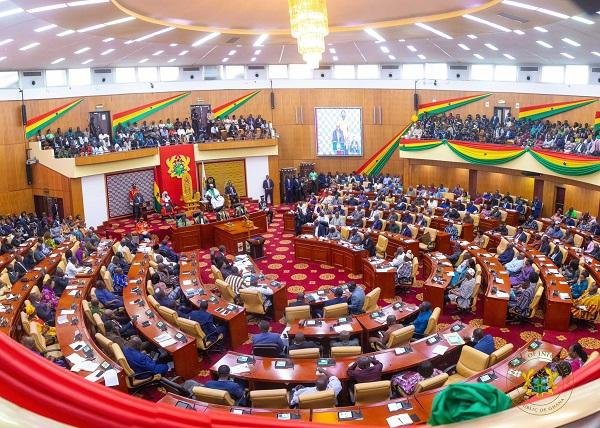
The Economic Fighters League (EFL) has fiercely rejected the recent parliamentary decision to ratify six major mining leases across the country, describing the legislative move as an act of economic betrayal that surrenders the nation’s mineral wealth to foreign interests for the next quarter of a century.
The pressure group insists that endorsing these long-term concessions without fundamental structural reforms in Ghana’s extractive sector perpetuates a historic cycle of exploitation.
By granting expansive access to multinational mining conglomerates under outdated regulatory frameworks, the group contends that state actors are actively undermining national sovereignty and compromising the country’s long-term economic independence.
“Six mining leases. Over 300 square kilometres of Ghanaian land. Up to 25 years of extraction. And once again, Ghanaians are told to expect ‘tremendous socio-economic benefits.'”
Economic Fighters League (EFL)
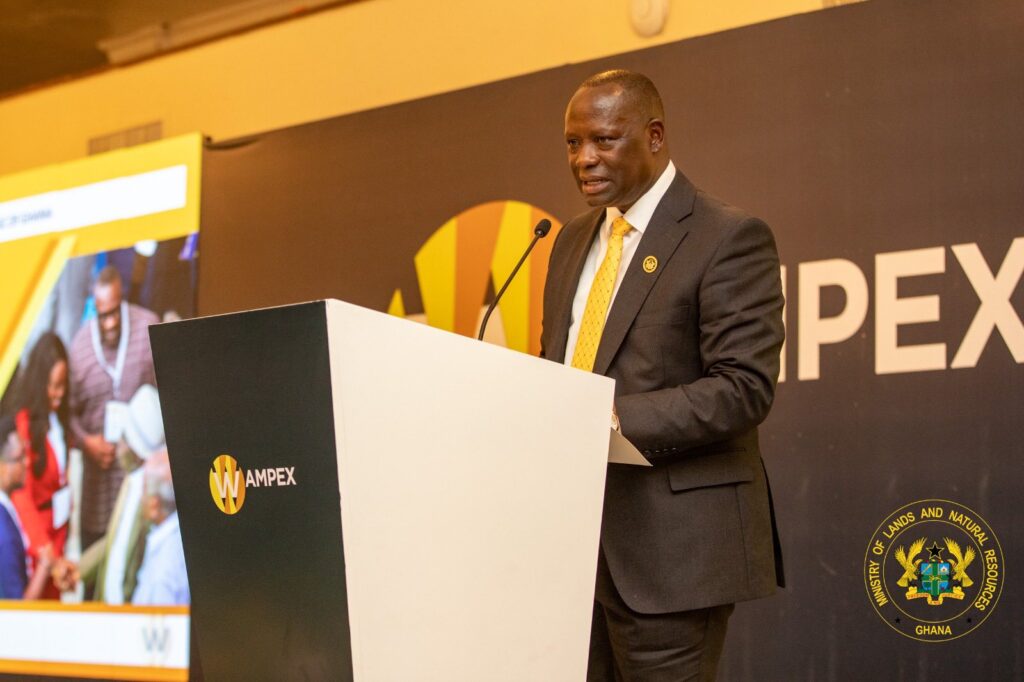
The pressure group highlighted that the approved agreements cover more than 300 square kilometres of Ghanaian soil, granting operational rights that span up to 25 years under the guise of attracting foreign direct investment.
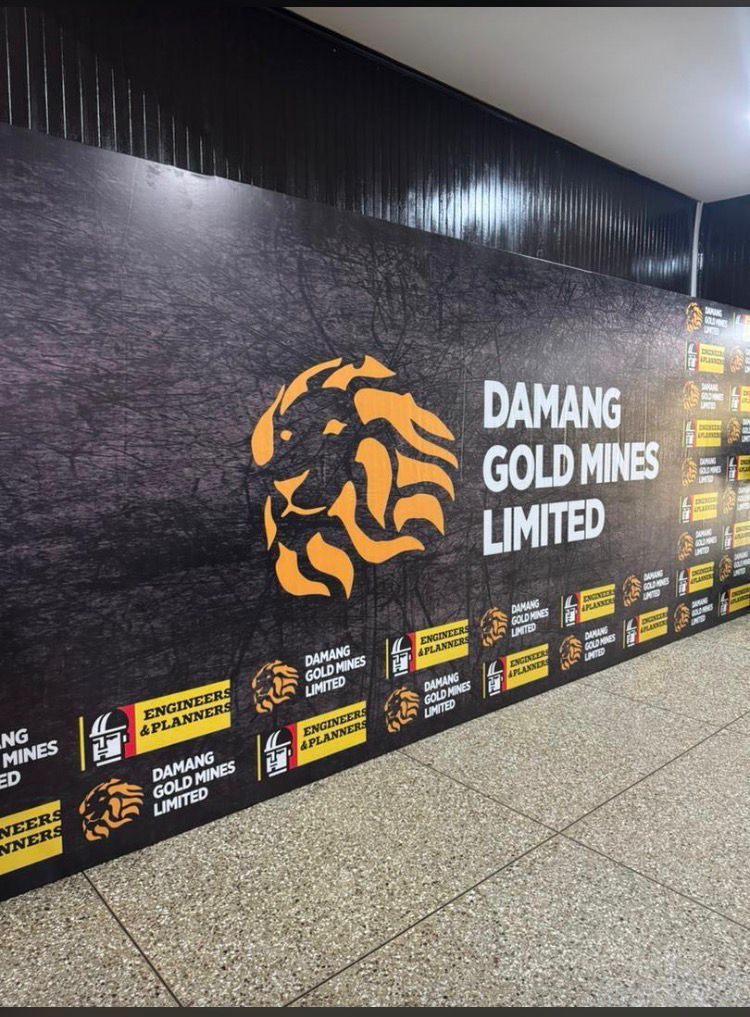
EFL pointedly criticized the government for maintaining a passive 10 percent carried interest in key operations such as the Damang Mine rather than aggressively renegotiating the state’s equity to at least 50 percent to secure substantial equity returns for the populace.
Furthermore, the group expressed deep alarm that parliamentary committees approved concessions impacting sensitive forest reserves, relying on empty assurances of regulatory enforcement while ignoring decades of documented ecological destruction and abandoned mining pits.
Flawed Equity Structures and Structural Wealth Transfer
A critical examination of the ratified leases reveals how Ghana continues to be shortchanged through structurally disadvantageous fiscal regimes.
The decision to maintain a mere 10 percent non-contributory share in high-yield operations like the Damang Mine represents what EFL correctly identifies as “a colossal transfer of wealth from the Ghanaian people to private interests.“
Under standard concessionary arrangements, foreign mining corporations retain the lion’s share of profits, utilizing generous tax holidays, capital allowance write-offs, and offshore retention accounts that allow up to 80 percent of foreign exchange earnings to bypass the local banking system entirely.
Consequently, despite gold prices reaching historic highs on international markets, Ghana receives a negligible fraction of the total value generated from its own soil in the form of modest mineral royalties and corporate taxes.
This fiscal architecture ensures that “a nation rich in gold continues to negotiate like a poor tenant on its own land,” leaving the state without the capital necessary to fund critical infrastructure or public services independently.
Environmental Degradation and the Myth of Regulatory Oversight
The ratification of concessions encompassing protected forest reserves exposes severe systemic risks to Ghana’s ecological stability and agricultural future.
Historical precedent demonstrates that regulatory bodies, often under-resourced or politically constrained, consistently fail to hold large-scale mining entities accountable for environmental breaches.
By granting 25-year licenses over critical forest ecosystems, Parliament has effectively compromised biodiversity hot-spots, vital water catchment areas, and fertile agricultural belts that sustain local food security.
As EFL noted, host communities are repeatedly left with “polluted rivers, degraded forests, abandoned pits, broken promises and poverty, while billions of dollars in gold leave our shores.”
Simply asking regulatory institutions to “strictly enforce” environmental safeguards without structural legal reform or mandatory restoration bonds has proven to be an ineffective gesture that prioritizes immediate resource extraction over sustainable ecological stewardship.
Rejecting Perpetual Dependency for Mineral-Led Industrialization
To break free from this extractive trap, the Economic Fighters League advocates for a radical paradigm shift that replaces raw material export with comprehensive local value addition and state ownership.
The group strongly challenges the long-standing narrative that Ghana lacks the capital and technical expertise to manage its own natural resources, questioning “exactly how expensive are these machines that a sovereign nation of over 35 million people cannot buy anywhere in the world?“
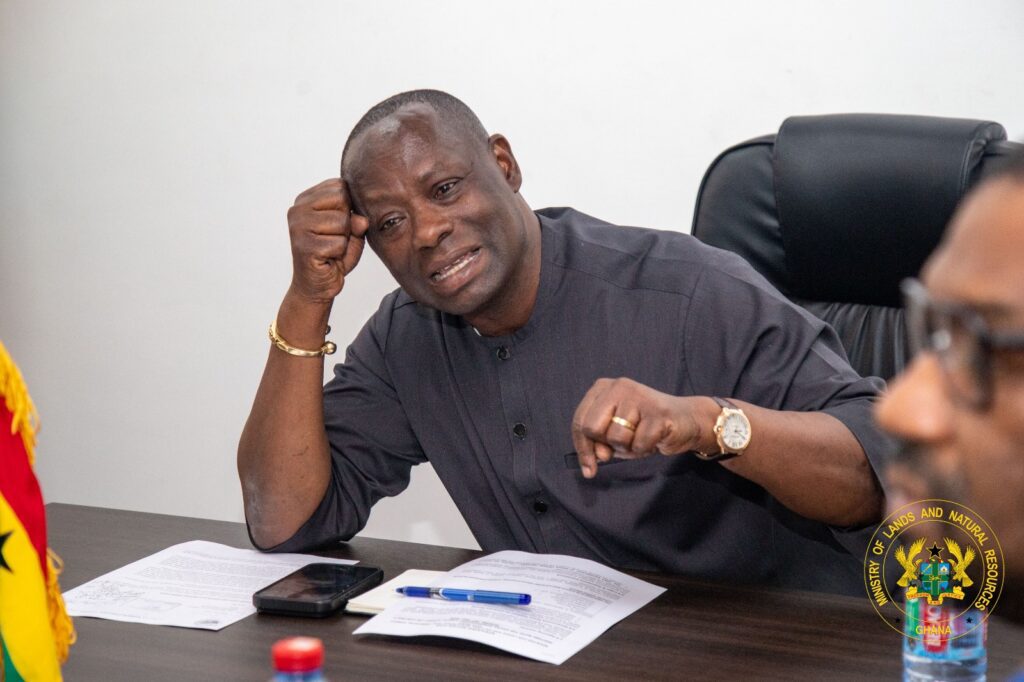
Rather than continuously issuing long-term licenses to foreign entities, the state ought to declare a strategic four-year moratorium on new large-scale concessions.
Such an intermission would allow Ghana to establish specialized mining engineering programs, build domestic technological capacity, and train local talent to assume full operational control.
True economic sovereignty requires that “our minerals must finance industrialisation, not perpetual dependency,” anchored by majority national ownership, binding community benefit agreements, and uncompromised local beneficiation.
READ ALSO: Kwesi Arthur to Represent Ghana at Hennessy Cypher Africa 2026