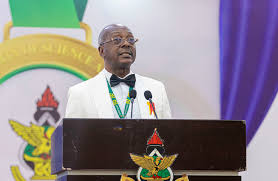
Former Director of the Ghana Museums and Monuments Board, Kingsley Ofosu Ntiamoah, has described Minister for Communication, Digital Technology and Innovations, Honourable Samuel Nartey George, as the most incompetent minister in the current government.
His criticism follows the minister’s disclosure at the Government Accountability Series that about 25 percent of Ghana’s fibre optic infrastructure had been cut, with illegal mining identified among the factors contributing to the damage.

Mr Ntiamoah argued that the disclosure exposed, “a failure of leadership”, particularly because the minister has been one of the most vocal critics of illegal mining while in opposition. He questioned why a problem he previously campaigned strongly against has now become a major challenge confronting the communications sector under his leadership.
“Sam George, I will start with the premise that he is the most incompetent minister in this government. In fact, if you compare him with the likes of the late Omane Boamah, Ursula Owusu-Ekuful and the rest, he’s the most incompetent Communications Minister this country has ever had.”
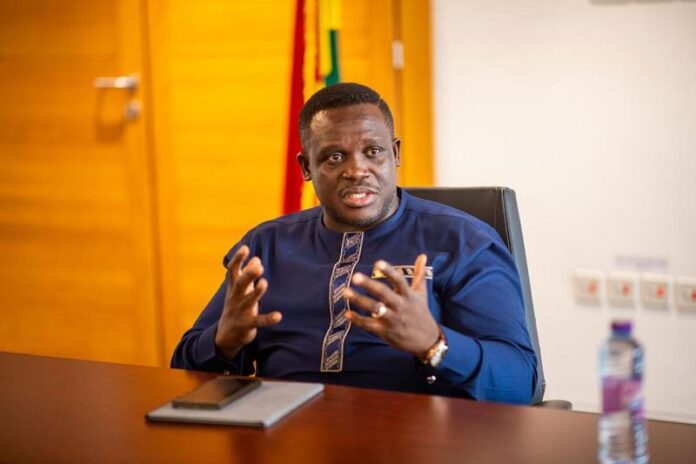
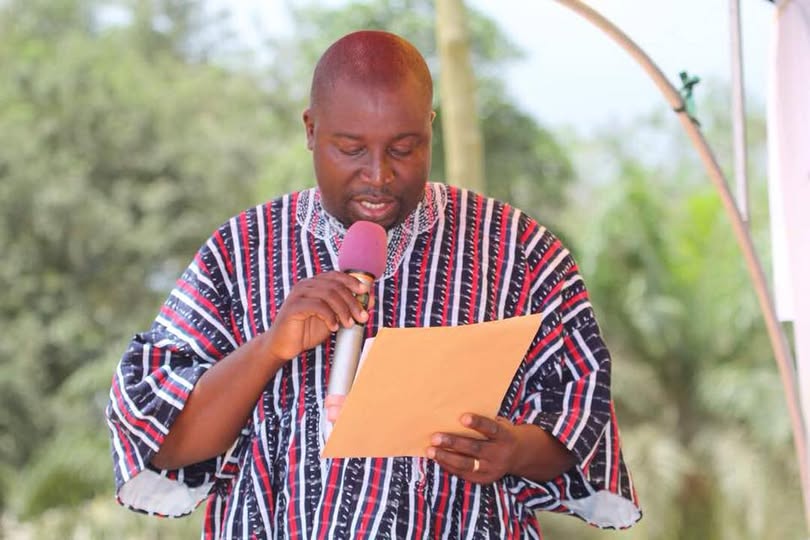
Honourable Samuel Nartey George
Mr Ntiamoah also challenged the minister to demonstrate tangible results from the concerns he raised publicly about the telecommunications sector. He argued that occupying a Cabinet position meant Honourable Nartey now has the authority and institutional access to work with other ministers towards resolving problems affecting digital infrastructure.
Referencing the fibre optic damage, the former director questioned what citizens are expected to make of a situation in which a minister responsible for digital infrastructure is expected to protect. He therefore interpreted the disclosure as evidence that the government has not done enough to prevent the problem from worsening.
Additionally, Mr Ntiamoah questioned the progress of the One Million Coders initiative, another programme associated with the minister’s digital agenda. He challenged the government to demonstrate where the beneficiaries of the programme could be found and what measurable outcomes have emerged from the initiative.
The former director also criticised Honourable Nartey’s conduct in opposition and his approach after assuming public office. He recalled the minister’s strong interventions on illegal mining under the previous administration and questioned whether the same urgency has been sustained since the change of government.
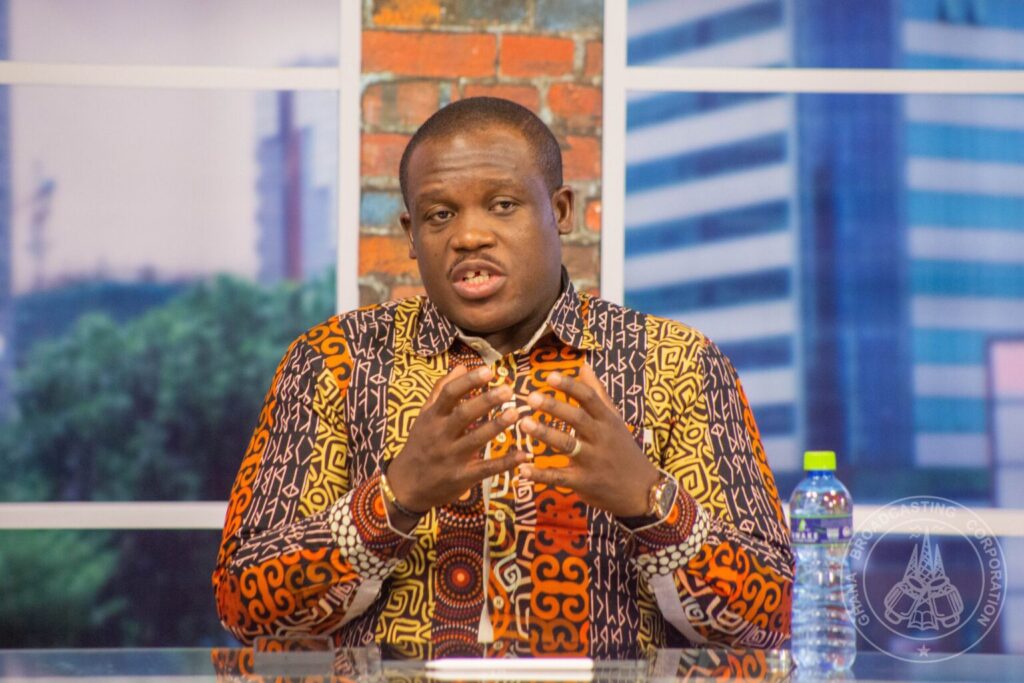
Mr Ntiamoah ultimately rated the minister’s performance below the standard he believed the current administration should demand from its appointees. He gave Honourable Nartey a personal score of one out of ten, contrasting it with the three out of ten rating he attributed to the former president, Nana Addo Dankwa Akufo-Addo.
Digital Infrastructure Protection Requires Stronger Government Coordination
Former Director of the Ghana Museums and Monuments Board, Kingsley Ofosu Ntiamoah, also called for stronger coordination among government ministries to protect Ghana’s critical digital infrastructure. He argued that the growing threat to fibre optic networks require Cabinet members to work together closely because decisions in one sector could have consequences for another.
Mr Ntiamoah explained that telecommunications infrastructure has become central to economic development as more activities depend on reliable digital connectivity. He therefore argued that protecting fibre networks should be treated as a broader government responsibility and not left solely to the ministry responsible for communications.
The former director particularly pointed to the relationship between telecommunications infrastructure and activities under the roads and natural resources sectors. Referencing the Minister for Communication, Digital Technology and Innovations’ position in Cabinet, he questioned whether the relevant ministries are coordinating adequately to prevent infrastructure from being damaged.
“The act of a good leader is to be able to coordinate, to be able to work with people.”
Kingsley Ofosu Ntiamoah
According to Mr Ntiamoah, effective coordination should allow government agencies to identify threats and develop joint responses before the effects become widespread. He therefore argued that ministers must work across their respective portfolios when national infrastructure faces risks that cannot be addressed by one institution alone.
Furthermore, he challenged the notion that cheaper services or individual policy achievements should automatically be regarded as evidence of improved performance in the communications sector. The former director focused instead on the experience of consumers who continue to encounter interruptions while using mobile data and making calls.
Mr Ntiamoah cited dropped calls and difficulty maintaining conversations as examples of the service problems he believes citizens still encounter. In his view, improvements in digital policy must ultimately translate into reliable services that people can experience in their everyday lives.
In addition, the former director raised questions about the visibility and impact of government’s digital skills initiatives. He specifically referenced the One Million Coders programme and urged the authorities to demonstrate its reach among young people and provide evidence of the outcomes being achieved.
Turning to the broader issue of illegal mining, Mr Ofosu Ntiamoah argued that the effects are no longer confined to forests, water bodies and farmlands. He noted that damage to telecommunications infrastructure has created another layer of risk for an economy increasingly dependent on digital services.
READ ALSO: Ghana, Uganda Regulators Seek Lessons Across Oil Value Chains