Hungary has ordered 10 Russian diplomats to leave the country, accusing them of engaging in activities deemed unacceptable under the Vienna Convention and citing the need to protect its national security and sovereignty.
Hungarian Foreign Minister, Anita Orbán announced the decision in a statement on Facebook, saying that the diplomats had been involved in activities that were incompatible with their diplomatic status. “The decision protects the security and sovereignty of Hungary,” Orbán said.
The expulsions represent a significant diplomatic move against Moscow, although the Hungarian government stressed that it does not intend to sever diplomatic relations with Russia.
Orbán said that Budapest would continue maintaining dialogue with Moscow. “This does not mean the severance of diplomatic relations with Russia,” she said, adding, “Hungary intends to continue the necessary dialogue, based on mutual respect and compliance with the rules.”
The decision comes amid growing concern within the European Union over what officials describe as Russian hybrid activities targeting EU member states. The EU has expressed support for Hungary’s decision, with European Commission foreign affairs Spokesperson, Christian Wigand describing the move as a legitimate response to Russia’s activities. “We take note of Hungary’s legitimate decision,” Wigand said.
He linked the expulsions to what he described as Russia’s persistent campaign of hybrid attacks against the European Union and its member states. The European Commission said that it stood in solidarity with Hungary and reaffirmed its support for diplomatic and consular activities carried out by EU member states in accordance with international law.
The bloc also said that it would continue coordinating closely with Hungary and other member states while working to protect the interests and rights of EU citizens. The EU’s backing gives Budapest diplomatic support as it takes action against Russian representatives while maintaining that its decision does not amount to a complete breakdown in relations with Moscow.
Hungary has historically maintained closer relations with Russia than some other EU member states, particularly in areas such as energy and economic cooperation. The latest diplomatic action therefore comes against a broader European backdrop of strained relations with Moscow following Russia’s invasion of Ukraine.
The expulsion of diplomats is also likely to increase tensions between Hungary and Russia at a time when European governments remain concerned about alleged espionage, disinformation and other forms of hybrid activity attributed to Moscow. Hungarian authorities did not publicly provide further details about the specific activities that led to the diplomats being declared unacceptable under the Vienna Convention.
The convention establishes the framework governing diplomatic relations between states, including the responsibilities and protections afforded to diplomatic representatives.
By ordering the 10 diplomats to leave while maintaining that dialogue with Moscow should continue, Budapest has sought to distinguish the security measure from a complete diplomatic rupture. The move nevertheless represents a clear expression of concern over activities Hungary considers incompatible with the role of foreign diplomats.
Russia Vows ‘Harsh And Painful’ Response
Russia has condemned Hungary’s decision and warned that Moscow will retaliate against the expulsion of its diplomats.
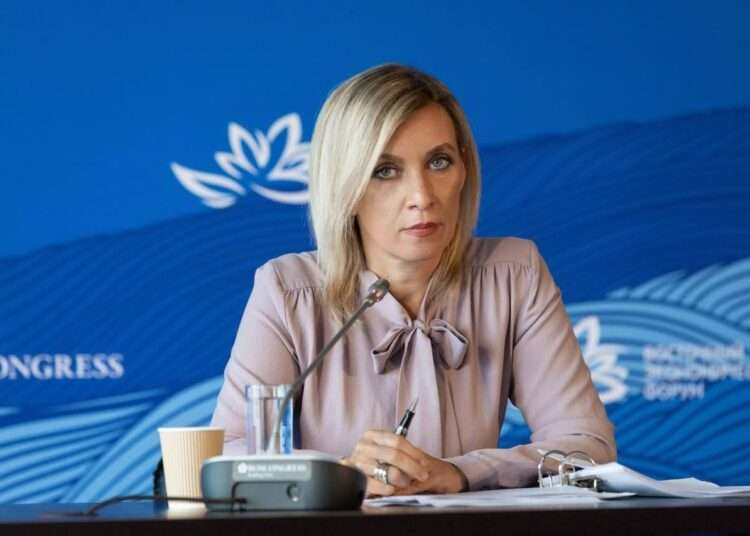
Russian Foreign Ministry Spokesperson Maria Zakharova said that Moscow would respond to what she described as an anti-Russian campaign in Budapest. “The response to the Russophobic lobby in Budapest will be harsh and painful,” Zakharova told a Russian state news agency.

The warning raises the possibility of reciprocal diplomatic expulsions or other measures against Hungarian representatives in Russia. Moscow’s response is likely to further strain relations between the two countries, despite Budapest’s insistence that it wants to preserve channels for dialogue.
Russia has repeatedly rejected accusations that it conducts hostile hybrid operations against European countries, while EU governments have continued to raise concerns about activities they attribute to Moscow. The dispute also illustrates the wider diplomatic tensions between Russia and European states, where expulsions of diplomats have increasingly been used as a response to suspected intelligence and security activities.
Hungary’s decision reflects an attempt to address what it regards as a threat to its sovereignty while keeping diplomatic communication with Moscow open. For Russia, the planned retaliation signals that Moscow does not intend to accept the expulsions without a response.
The developments leave bilateral relations under renewed pressure, even as Hungary maintains that diplomatic ties with Russia remain necessary.
READ ALSO: Sam George Draws “Most Incompetent Minister” Verdict From Former GMMB Director