

Ghana Gas is targeting a final investment decision by early 2027 on a proposed $500 million pipeline designed to transport natural gas from the country’s western processing facilities to industrial users in the southeast.
The 278-kilometre West-East onshore pipeline is expected to strengthen the domestic gas supply network, support growing industrial demand and reduce Ghana’s reliance on the West African Gas Pipeline, which connects the country to gas supplies from neighbouring producers.
Ghana Gas Chief Executive Officer Judith Adjobah Blay said the company is working to secure financing for the project, which has been under consideration for several years.
“It’s a project that we hope to really embark on by the end of the first quarter of 2027,” Blay said, pointing to financing arrangements as one of the issues being worked through before the project moves into implementation.
The proposed pipeline is significant because Ghana’s gas demand is rising at a time when the country is also seeking to reduce the cost of electricity generation and improve the reliability of fuel supply to industry.
Pipeline Designed To Shift Gas Closer To Industrial Demand
The project is intended to connect Ghana’s western gas supply base with major consumption centres in the southeast, particularly the Tema industrial enclave.
That geographical connection matters because Ghana’s gas resources and processing infrastructure are concentrated largely in the west, while a significant share of industrial and power demand is located farther east.

The pipeline would therefore create an additional domestic route for transporting gas to where it is needed, reducing pressure on existing infrastructure and providing greater flexibility in managing supply.
Ghana Gas has indicated that national gas consumption could rise to 715 million standard cubic feet per day (mmscfd) by 2030, compared with about 502 mmscfd currently.
That projected increase represents a substantial expansion in demand over the coming years.
For Ghana’s industrial sector, access to dependable gas is particularly important because gas can provide a more predictable energy source for power generation and industrial processes than imported liquid fuels.
It also has implications for electricity costs.
Where thermal plants can operate on natural gas instead of more expensive liquid fuels, the cost of producing electricity can be reduced, provided the gas is available consistently and the infrastructure required to deliver it is reliable.
Industrial Growth Raises Pressure On Gas Infrastructure
The pipeline project comes as Ghana seeks to expand industrial activity while improving the reliability and affordability of energy supply.
The Tema industrial enclave contains major manufacturing and processing operations whose electricity and thermal-energy requirements make dependable gas supply strategically important.
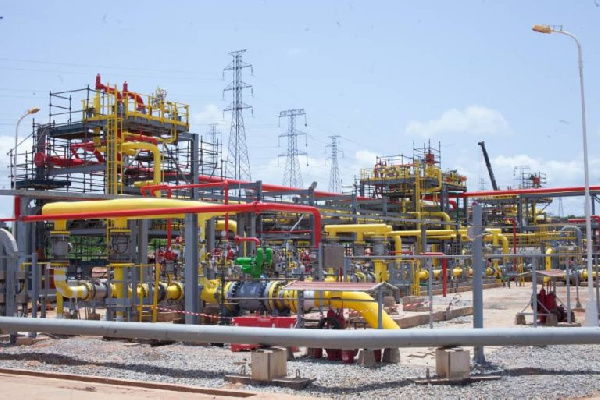
The proposed infrastructure could therefore help address a structural weakness in Ghana’s energy system: growing demand without equivalent expansion in the infrastructure required to transport domestic gas efficiently.
Without adequate transportation capacity, additional gas production does not automatically translate into additional energy available to consumers.
That makes the proposed West-East pipeline more than a transportation project. It forms part of the infrastructure needed to connect Ghana’s upstream gas resources with its downstream economic activity.
The timing is also important because Ghana Gas expects additional gas availability from the Eni-operated Sankofa project as production increases.
According to Blay, Sankofa output is expected to rise to around 350 mmscfd in 2028, from approximately 280 mmscfd currently.
“The policy is to use gas primarily for power production,” according to Blay emphasising the role of domestic gas in reducing Ghana’s reliance on more expensive fuels for electricity generation.
The increase in Sankofa supply could therefore provide additional gas for the domestic market at roughly the same time Ghana expects demand to continue climbing.
Domestic Supply Still Needs Greater Diversification
Ghana’s gas system nevertheless remains exposed to external supply.
The country currently imports about 70 mmscfd of lean gas from Nigeria, according to Ghana Gas.

The proposed West-East pipeline would not eliminate that dependence on its own, but greater use of domestic gas and additional transportation infrastructure could give Ghana more flexibility in managing supply.
That is particularly relevant given the vulnerability of energy systems to disruptions in international markets and regional infrastructure.
Ghana’s wider energy policy has increasingly focused on reducing exposure to imported fuels by using domestic gas, expanding renewable generation and strengthening transmission infrastructure.
The pipeline fits into that broader strategy by making it easier to move gas produced and processed within Ghana to areas with significant demand.
It could also reduce the extent to which industrial users depend indirectly on a regional gas transportation system for their supply.
More Jubilee And TEN Gas Could Expand Domestic Supply
Ghana Gas is also processing associated gas from the Tullow-operated Jubilee and TEN fields.
Blay said the company currently processes approximately 130 mmscfd from those fields, with another 50 mmscfd potentially available.
The additional gas would be processed through a proposed gas processing plant, although the project requires parliamentary approval before further details can be disclosed.
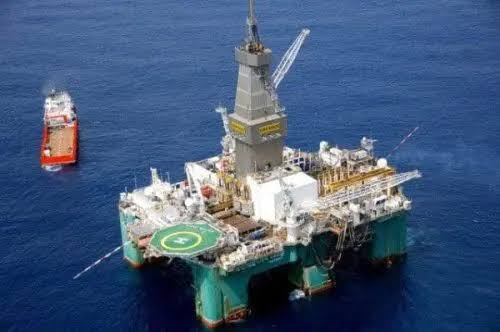
The proposed processing plant would have a different financing structure from the West-East pipeline.
The government is expected to take a 30% stake in the gas processing plant, with private investors providing the remaining funding.
That distinction is important because the government’s proposed 30% participation relates to the processing plant and not the $500 million pipeline project.
Together, the additional processing capacity and transportation infrastructure could strengthen the link between Ghana’s offshore gas resources and domestic demand.
Financing Remains Critical To 2027 Target
The immediate challenge is turning the pipeline from a long-discussed project into a financeable infrastructure investment.
At an estimated cost of $500 million, the project will require significant capital at a time when Ghana continues to face competing demands for investment across the energy sector.
The financing structure will therefore be important.

A commercially viable pipeline needs sufficient and predictable volumes moving through it to generate the revenues required to support construction and long-term operation.
The projected growth in gas consumption provides part of that rationale.
But Ghana Gas will also need to align supply commitments, industrial demand, power-sector requirements and financing arrangements before the investment can proceed.
The planned early-2027 FID consequently represents an important milestone.
If financing and the remaining project requirements are secured, the decision would move the pipeline closer to construction after years of discussion.
For Ghana, the broader significance lies in whether the country can build enough domestic gas infrastructure ahead of demand rather than responding to shortages after they emerge.
With gas consumption projected to reach 715 mmscfd by 2030, the pressure to expand the system is becoming increasingly difficult to separate from Ghana’s industrial and electricity ambitions.
The West-East pipeline would not by itself solve Ghana’s gas-security challenges.
But by creating another domestic transportation route, connecting western supply with eastern demand and supporting the use of additional domestic gas, it could become an important component of the infrastructure required to make Ghana’s growing gas resources more useful to the economy.
READ ALSO: EU Urges US To Reconsider Palestinian Officials’ Visa Denial