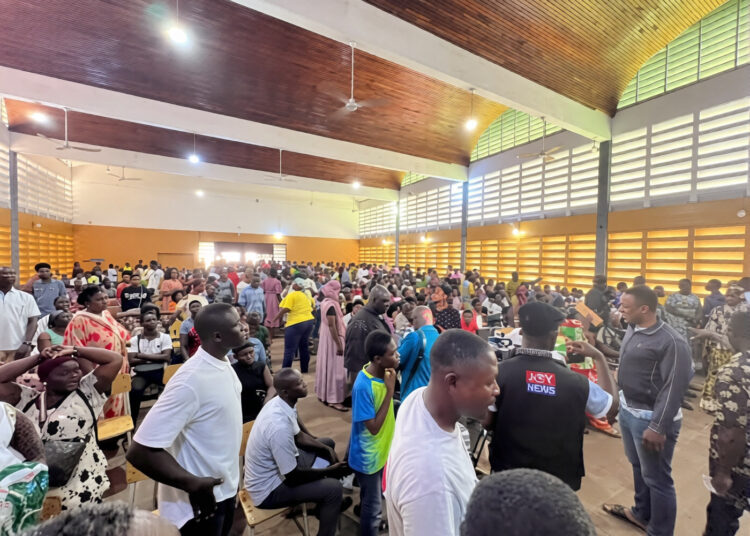
Ghana’s education system needs stronger implementation to ease the pressure surrounding BECE and CSSPS placement, Professor Anthony Donkor has argued. The Faculty of Education lecturer at UDS explained that the structures already available in the system require effective leadership, proper monitoring and consistent execution.
Speaking in an exlusive interview, the education expert observed that repeated changes to educational arrangements could create uncertainty when existing policies have yet to receive effective implementation. Therefore, attention should focus on how curriculum decisions are carried out and how schools are supported to deliver them.
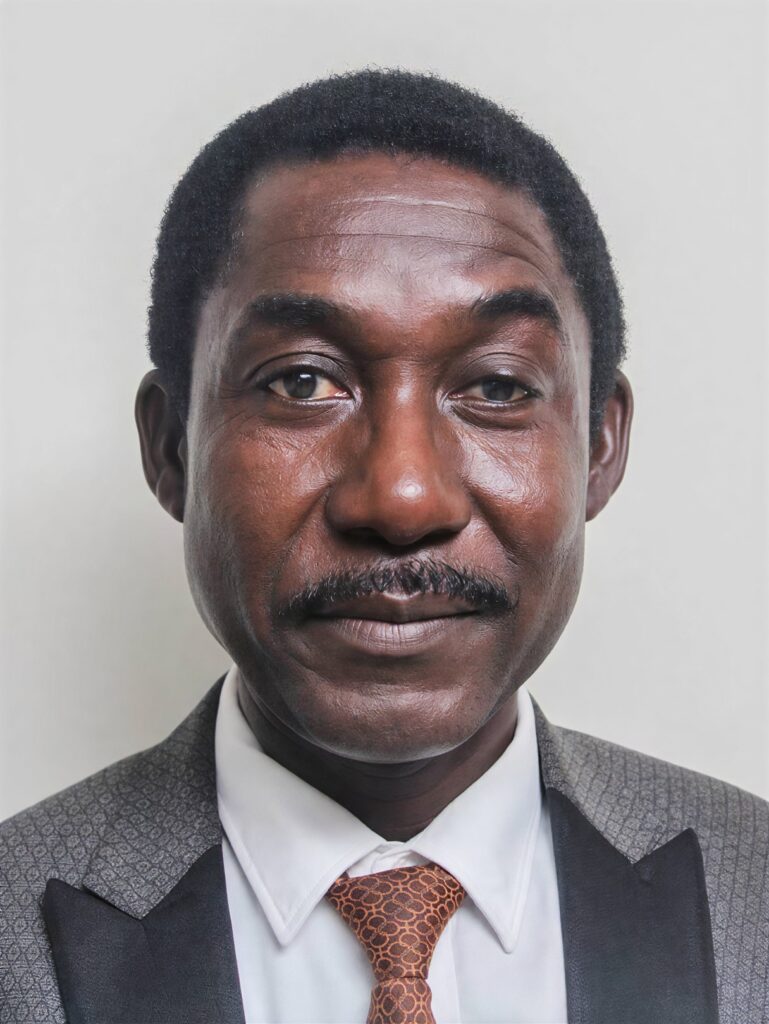
“Changing is not the solution at all. Whatever we have in the system, how are we implementing it?”
Professor Anthony Donkor
According to the lecturer, the quality of implementation becomes particularly important when pupils reach the point of completing basic education and moving into the next stage. For families navigating BECE results and CSSPS placement, the process can become a source of considerable pressure when expectations about school choices meet the realities of placement.
Analysing this situation, Professor Donkor stressed that the curriculum itself should not automatically become the focus of every educational difficulty. He indicated that stronger teacher preparation, leadership and supervision could help the existing system produce better outcomes for pupils.
The Professor also placed the parent teacher relationship among the areas requiring renewed attention. He explained that schools function more effectively when parents and teachers work together around the academic development and conduct of children.
This relationship becomes significant during the transition from basic education, when parents are required to respond to their children’s results and placement outcomes. The pressure on families therefore needs to be considered alongside the structures that determine how pupils progress after the BECE.
Professor Donkor also linked educational outcomes to the strength of leadership at the basic school level. He questioned whether all those placed in leadership positions receive the preparation required to manage teachers, pupils, parents and the demands of school administration.
Referencing his academic work on basic school leadership, the Professor pointed to the need for clear criteria in selecting educational leaders. He argued that length of service alone should not determine who becomes a head teacher when leadership requires specific knowledge and practical skills.
The education expert also called for stronger monitoring across the system. Thus, improving the experience of pupils and parents requires attention to what happens after policies are introduced, including whether schools receive the guidance and supervision needed to implement them.
He further argued that educational development should enjoy sufficient continuity to allow policies to produce results. Constant adjustments can make it difficult to determine whether a programme has failed because of its design or because implementation was inadequate.
On this, Professor Donkor emphasised that the existing system contains useful components, including the curriculum and the growing emphasis on science, technology, engineering and mathematics. His emphasis was that such initiatives require trained teachers, effective leadership and sustained monitoring to achieve their intended purpose.
Effective Leadership Holds The Key To Stronger Schools
Professor Donkor further identified leadership preparation as a major area requiring attention within basic education. He explained that teachers can possess academic qualifications while still requiring specialised preparation before taking responsibility for school leadership.
The lecturer pointed to practices in other education systems where prospective head teachers receive dedicated leadership training before appointment. Such preparation, he noted, equips school leaders with the skills needed to manage people and educational institutions effectively.
“Leadership is something fluid; it’s dynamic. You need some skills; you need some knowledge and other things that you have to go through some kind of training.”
Professor Anthony Donkor
Directing to teacher education, he explained that the progression from certificate training to diploma programmes and eventually degree-level preparation has changed the qualifications held by teachers. However, the development of leadership competence requires deliberate attention within that training process.
He noted that leadership receives limited treatment within some teacher education curricula. This, in his assessment, can leave teachers academically prepared for classroom duties while giving them insufficient exposure to the specialised demands of administration.
The lecturer also questioned the practice of treating long service as the principal basis for selecting school leaders. Experience can provide valuable institutional knowledge, he explained, while leadership itself requires additional competencies that must be developed through training.
Furthermore, school leadership affects how teachers perform their responsibilities and how pupils experience the learning environment. A properly prepared head teacher can therefore provide direction, coordinate staff and support the effective delivery of educational programmes.
Professor Donkor consequently urged greater attention to professional development for teachers already working in schools. In-service training, he explained, can help educators remain current with developments and strengthen their ability to respond to changing educational demands.

The same principle applies to administrators who supervise teaching and learning. Their preparation needs to extend beyond academic qualifications to include the practical skills required to guide schools.
Another area identified was the role of the Parent Teacher Association in supporting schools. The lecturer called for stronger engagement between schools and parents so that responsibility for pupils’ development can involve the wider school community.
This partnership can provide schools with an additional avenue for understanding challenges affecting pupils. It can also give parents a clearer role in discussions about school development and educational performance.
Professor Donkor’s argument ultimately places implementation at the centre of educational improvement. Curriculum reforms, teacher qualifications and new educational initiatives require capable leadership and consistent supervision to produce the results expected from them.
READ ALSO: Kyerematen Cites NPP Leadership Behind The Party’s Loss In 2024