Two final arbitration awards have ordered Ghana Water Limited to pay US$235 million, net of taxes, over the terminated Water Purchase Agreement for the Teshie-Nungua desalination plant, reopening questions about how infrastructure contracts and sovereign guarantees can migrate onto the public balance sheet.
Cox Infrastructure Group, which owns 95 percent of project company Befesa Desalination Developments Ghana Limited, disclosed that the awards were rendered on September 17, 2026, and notified to its subsidiary on September 18, 2026.
The award is not simply a comparison between the cost of building the plant and the amount now payable. The Ministry of Finance’s 2024 PPP report puts the project’s estimated cost at US$125 million, while the US$235 million award relates to termination payments under the Water Purchase Agreement, together with interest accruing from April 1, 2026 until actual payment.
The fiscal significance extends beyond Ghana Water because the Republic of Ghana is obliged under the project’s sovereign guarantee to satisfy the awarded amounts, subject to the condition that there is no double recovery. Cox also says the parties are still negotiating an amicable settlement, meaning the gross award is clear but the eventual cash and accounting outcome remains unsettled.
Sovereign Guarantee Shifts the Risk
The case illustrates why contingent liabilities can become direct fiscal risks when a state-backed entity cannot meet contractual obligations. A sovereign guarantee can help make infrastructure finance bankable, but it also creates a channel through which a commercial dispute can ultimately become a claim on government resources.
The official Cox market filing states that Ghana Water must pay US$235 million in termination payments, partially reimburse legal costs and pay accrued interest from April 1, 2026. It also says Ghana Water’s counterclaims were substantially dismissed, including a US$144.5 million claim, while the Republic remains liable under the guarantee if the utility does not satisfy the amounts awarded.
For Ghana’s public finances, this is precisely the type of exposure that can sit outside routine expenditure until a contractual trigger brings it into focus. That concern is particularly relevant while the country is rebuilding fiscal buffers and strengthening scrutiny of contingent liabilities and debt sustainability.
Contract Structure Explains the Large Award
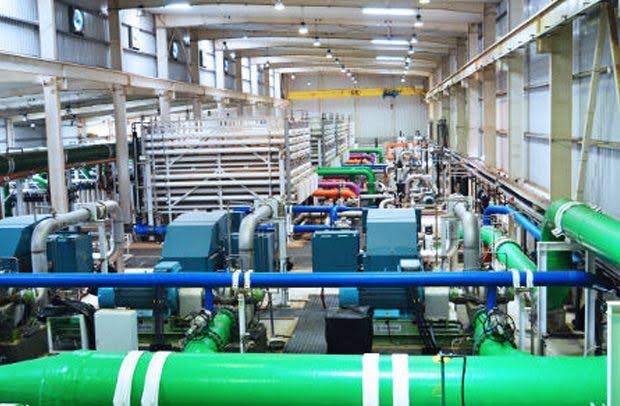
The Ministry of Finance’s PPP report shows why the project’s financial architecture matters as much as its physical infrastructure. The plant was developed under a 25-year Build, Own, Operate and Transfer arrangement, with capacity to produce 60,000 cubic metres of water a day for Teshie-Nungua and surrounding communities.
In 2024, invoices presented by the private partner included US$14.94 million in capacity charges, US$1.54 million in variable charges and US$457,650 in delay charges, for a total of US$16.93 million. The report records US$16.92 million paid during the year, including US$16.12 million in government support to Ghana Water and US$800,000 paid directly by the utility.
Those figures show why infrastructure contracts cannot be assessed only by the upfront construction value. Payment guarantees, capacity charges, termination clauses and foreign-currency obligations can create long-lived commitments whose fiscal cost becomes much larger if the underlying service arrangement deteriorates or ends early.
Operational Problems Add a Second Burden
The Ministry’s 2024 report had already identified financial and operational stress before the final awards. It recorded payment difficulties, power interruptions and concerns over the plant’s condition, and recommended expedited renegotiation of the Water Purchase Agreement to improve affordability and long-term viability.
That history makes the current liability more than a legal story. Ghana must deal with the financial consequences of the terminated arrangement while also addressing the water-supply purpose for which the plant was originally developed, meaning contract resolution and service delivery remain intertwined.
The episode also reinforces a wider infrastructure lesson. Ghana’s effort to mobilise private capital for major projects can reduce immediate budget pressure, but it cannot eliminate economic risk; the key question is how that risk is allocated, priced, monitored and disclosed over the life of each contract.
Fiscal Lesson Reaches Beyond Water
The award arrives as Ghana is trying to improve commitment controls and prevent new obligations from undermining fiscal consolidation. Recent analysis of state-owned enterprise risks has already highlighted how liabilities accumulated outside central government can still create pressure for taxpayers when large public institutions encounter financial difficulty.

The immediate priority is therefore to clarify the state’s legal and financial response while negotiations continue. Any settlement should be judged not only against the US$235 million headline award but also against accrued interest, legal costs, the future of the plant and the value of restoring reliable water supply to the communities the project was designed to serve.
The longer-term lesson is institutional. Ghana can continue using PPPs and sovereign guarantees to mobilise infrastructure finance, but those instruments work best when contracts are affordable, risks are transparently recorded, and government retains the capacity to manage disputes before they crystallise into large fiscal claims.
READ ALSO: Ghana’s Education System Needs Better Implementation, Education Expert Argues