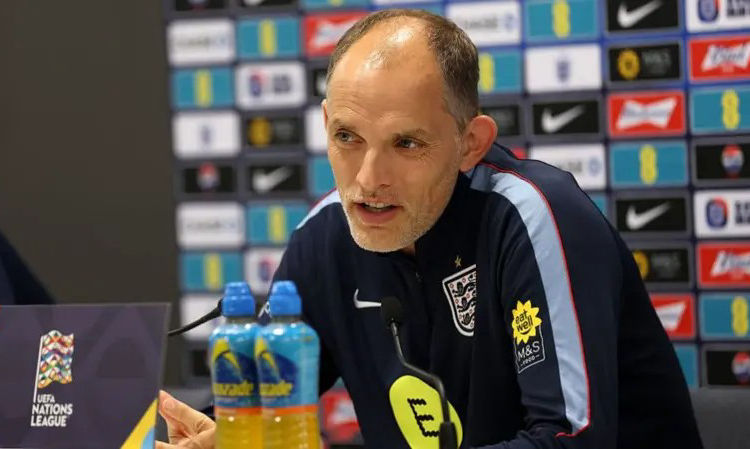
England head coach Thomas Tuchel has admitted that the extended three-week international window presents both benefits and drawbacks, particularly after a number of players picked up injuries during the camp.
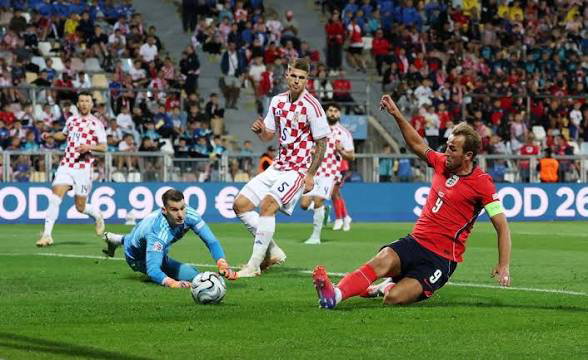
Tuchel was speaking ahead of England’s UEFA Nations League meeting with Croatia after the Three Lions had thrashed their opponents 7-0 in the first round of fixtures.
The unusually long international window has allowed England to spend considerably more time together than during the traditional shorter breaks, giving Tuchel additional training sessions and opportunities to work on tactical details.
However, the injuries suffered by several players have prompted questions over whether keeping players together for such an extended period is ultimately beneficial, especially at a time when clubs are also navigating congested domestic schedules.
Tuchel acknowledged the concern but said England would need more evidence before determining whether the longer window has actually contributed to a higher number of injuries.
“We need to get the numbers right before we start making a case,” Tuchel said at his pre-match press conference. “Is it really more or is it the same amount [of games] as in two shorter little windows?” He questioned before adding that he doesn’t “have the answer” to that.
The England boss was reluctant to blame the international schedule outright, stressing that the traditional two-week international break cannot automatically be held responsible for every injury suffered by players.
“The two-week window is not guilty for everything. If it is a thing, we will adapt and make the most of it as always.”
Thomas Tuchel, England Head Coach
Tuchel Sees Tactical Benefits From Longer Camp
Despite his reservations about the timing of the extended window, Tuchel conceded that having the squad together for longer has provided England with significant footballing benefits.
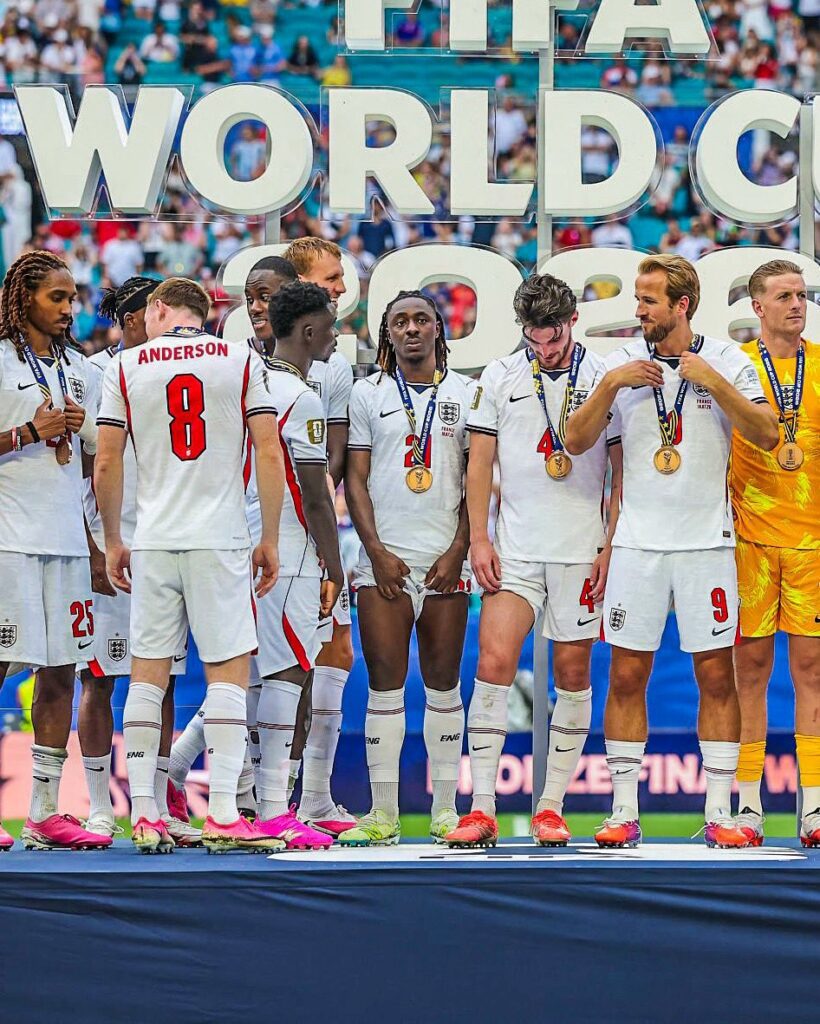
The additional time has allowed his players to train together more frequently, hold more meetings and develop a greater understanding of his tactical demands.
That progress was particularly evident in England’s performance against Croatia, according to Tuchel, with the coach believing the extended preparation helped his team develop stronger “automatisms.” “The team is together for longer, more training sessions, more meetings, more of the same language. You see improvements and automatisms clicking in.”
Tuchel ultimately described the camp as a productive one, despite the injury concerns that have emerged. “We made it a very good camp,” the German revealed.
Tuchel Defends Scott Selection
The England manager also defended his decision to field Bournemouth midfielder Alex Scott against Croatia after the player subsequently suffered an injury and was ruled out of the next match.

With Scott unable to continue his international involvement, Tuchel insisted there had been no attempt to take an unnecessary risk with the midfielder. “On a human level, I feel bad that he does not get his next cap tomorrow,” Tuchel said.
The manager revealed that Scott had been expected to start the following match before the injury intervened. “In my mind, he started tomorrow,” Tuchel added.
Tuchel maintained that England’s medical and coaching staff would never knowingly expose a player to an avoidable injury, even when an international opportunity is significant.
“I would not have taken any risk, even if it was a big opportunity for him. We wanted him to start but if we had the slightest idea it was a risk [to play him], we would not have taken it. We never do this.”
Thomas Tuchel, England Head Coach
The situation leaves Tuchel facing the difficult balance between maximising the benefits of extended international preparation and protecting players during a period when clubs are already dealing with demanding schedules.
READ ALSO: FBI Arrests Woman For Spying On Taiwan President’s Son