

Members of the International Energy Agency (IEA) have released approximately 325 million barrels of oil under an emergency collective action launched in March 2026, but the agency is now pushing governments to accelerate the remaining drawdowns as pressure in diesel markets persists.
The move signals that, despite the substantial volume already made available, the IEA’s response to the energy disruption linked to the Strait of Hormuz crisis remains ongoing.
Member governments have agreed to speed up the release of their remaining stocks, with particular attention to diesel, as they seek to support market stability and address continuing supply tightness.
Following a meeting on Wednesday, the Paris-based agency said some participating countries had released more oil than they initially committed to provide under the March initiative.
However, members backed completing the outstanding releases as soon as possible, reinforcing the urgency of the collective response.
Diesel Supply Emerges As A Key Concern
A central priority in the latest discussions is the availability of diesel, with participating governments supporting efforts to direct stock releases towards the fuel where possible.
Diesel market tightness is significant because the fuel is widely used in freight transport, industrial activity, agriculture and other parts of the economy.
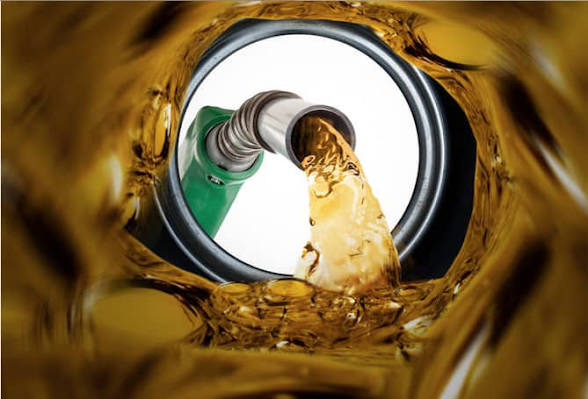
Sustained supply constraints can increase operating costs for businesses and place additional pressure on fuel markets.
The IEA’s emphasis on diesel suggests that the remaining stock releases are not intended simply to increase the volume of oil available, but also to respond to areas of particular market strain.
In its statement, the agency reported that members had supported prioritising diesel releases where feasible, reflecting concerns about the segment of the market facing tighter conditions.
The statement did not quantify the diesel-specific volumes involved or provide a timeline for when the remaining stocks would be released. It also did not identify which member countries had exceeded their initial commitments.
Strait Of Hormuz Crisis Keeps Energy Security In Focus
The March collective action forms part of the IEA’s response to the energy-market consequences of the Strait of Hormuz crisis. Members reaffirmed their commitment to completing the initiative and expressed support for the agency’s broader response to the disruption.
The latest position highlights the continuing importance of coordinated action when energy supply risks extend beyond individual countries.

By releasing stocks collectively, participating governments can make additional supplies available to the market while coordinating their response to a shared disruption.
However, the effectiveness of the intervention will depend partly on how quickly the remaining stocks reach the market and whether the releases help ease the specific supply constraints facing consumers and businesses.
The IEA has not indicated in the supplied statement that the 325 million barrels already released have resolved the disruption. Instead, members have agreed to accelerate the remaining drawdowns and maintain close oversight of implementation.
Market Monitoring To Guide Further Action
Beyond the physical release of oil stocks, member governments have emphasised the need for continued market monitoring and timely analysis from the IEA Secretariat.
Participants stressed that the agency should continue tracking the releases and providing up-to-date assessments of market conditions.

Such monitoring is expected to help governments evaluate the progress of the collective action and determine whether further intervention may be necessary.
The agency also confirmed that its members remain prepared to release additional stocks if circumstances require it.
“The IEA said its members stood ready to release additional stocks if needed.”
That position keeps further emergency action on the table, although the statement did not specify the market conditions or thresholds that would trigger another release.
The Secretariat will continue working with member governments to monitor the implementation of the March initiative, with the pace and effectiveness of the drawdowns remaining central to the response.
G7 Support Adds To Focus On Market Stability
Participants also welcomed a recent statement by Group of Seven (G7) leaders on global energy security and market stability.
The G7 statement’s emphasis on maintaining the free flow of energy trade was highlighted during the IEA discussions, underlining the importance of keeping international energy supplies moving amid disruption.
For energy markets, the issue extends beyond the availability of emergency stocks. The movement of supplies through key trading routes remains important to limiting the effects of disruption and supporting market confidence.
Nevertheless, the IEA’s latest statement did not provide an estimate of the effect the collective releases have had on prices or specify how much additional supply may be required to stabilise diesel markets.
Next Week’s Review To Assess Progress
Member governments are scheduled to review the situation at the next meeting of the IEA Governing Board next week.
That meeting will provide an opportunity to assess progress towards completing the March action, review market developments and consider whether the existing response remains sufficient.
For now, the immediate priority is to accelerate the outstanding releases, with diesel receiving particular attention because of reported market tightness. The possibility of further stock releases also remains open.
The release of approximately 325 million barrels represents a substantial mobilisation of emergency oil supplies.
Yet the IEA’s renewed push to complete the action quickly indicates that the agency and its members continue to regard the market situation as requiring close coordination and sustained attention.
READ ALSO: UBA Tops Ghana Banks With Lowest Bad Loans as ADB, NIB Struggle