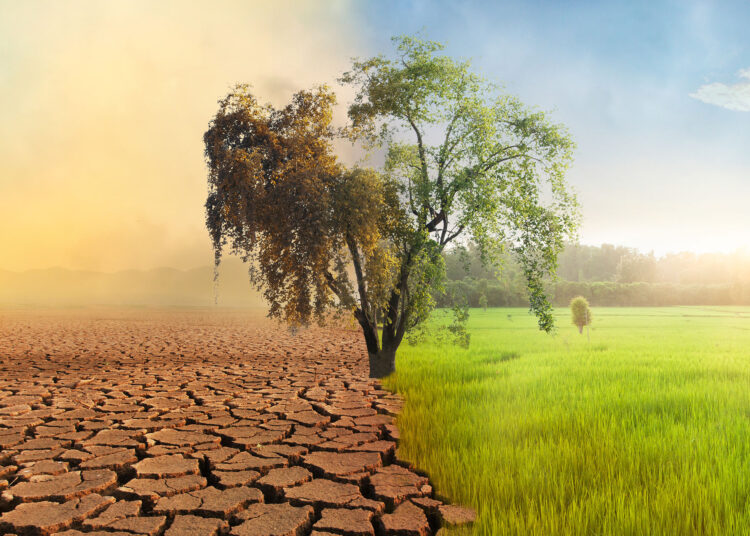
United Nations Environment Programme (UNEP) has warned that global warming could reach 2.8°C above pre-industrial levels this century if current climate policies remain unchanged, as a widening gap between countries’ emissions commitments and the reductions required threatens efforts to limit the severity of climate change.
In its Emissions Gap Report 2026: The Point of Return, UNEP revealed that the world must urgently reduce greenhouse gas emissions to minimise the extent and duration of a potential overshoot of the 1.5°C warming threshold and return global temperatures to or below that level by 2100.
The report outlines a pathway that could limit peak warming to between 1.7°C and 1.8°C around the middle of the century, before temperatures return to or below 1.5°C by the end of the century, with approximately a 50% probability.
UN Secretary-General António Guterres maintained that the prospect of temporarily exceeding the 1.5°C threshold should not undermine efforts to limit further warming.
“Overshoot is not surrender. We can still keep it as small and as short as possible and bring temperatures back below 1.5 degrees by the end of the century.”
António Guterres
Current Climate Commitments Fall Short of 1.5°C Pathway
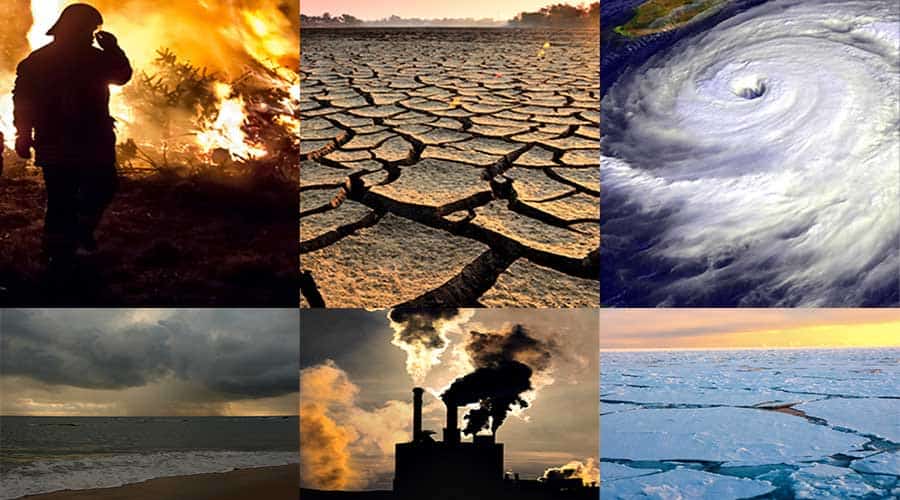
UNEP’s projections highlight the gap between the reductions required to limit global warming and the outcomes expected from existing national climate commitments.
The report found that the full implementation of countries’ Nationally Determined Contributions (NDCs) would reduce global greenhouse gas emissions by only 5–8% by 2030 and 11–15% by 2035, relative to 2025 levels.
These reductions are significantly below the 18% and 45% cuts required by 2030 and 2035, respectively, to follow the lowest possible 1.5°C overshoot pathway.
Under current policies, global temperatures could rise by 2.8°C within this century and continue increasing thereafter. Even if countries fully implement their NDCs and maintain similar levels of climate action, warming would be limited to only 2.6°C.
In the most optimistic scenario, where countries fulfil their NDCs and achieve additional net-zero emissions targets, global warming would still reach approximately 2.1°C this century.
UNEP attributed the deterioration in its projections compared with last year’s report to the United States’ withdrawal from the Paris Agreement and revised estimates of historical emissions. New NDCs submitted since the previous assessment have made a negligible difference to the projections.
The report also warned that every five years of carbon dioxide emissions at current levels would add approximately 0.1°C to peak warming, further reducing the time available to achieve the required emissions cuts.
Inger Andersen, Executive Director of UNEP, stressed that every additional fraction of a degree and year of warming above 1.5°C would increase climate-related risks, including deadly floods, heatwaves and wildfires.
“We must pull out all the stops to minimize peak warming and return to 1.5°C by the end of the century. This is possible.”
Inger Andersen
She urged governments to introduce policies capable of delivering rapid, deep and sustained emissions reductions, arguing that stronger climate action could support both environmental stability and more resilient economies and societies.
Renewable Energy Gains Offer Opportunity to Accelerate Climate Action
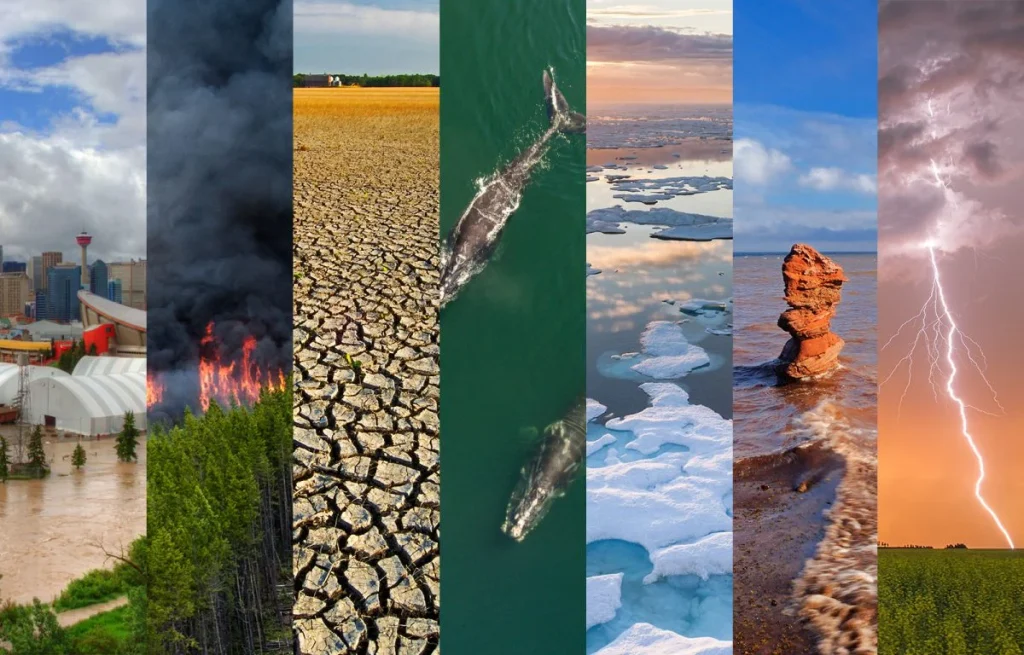
Despite the widening emissions gap, UNEP identified progress in renewable energy deployment and climate policy as evidence that faster emissions reductions remain achievable.
Since the adoption of the Paris Agreement in 2015, renewable energy has expanded significantly, while total energy supply from coal and oil has grown more slowly than previously projected. Climate policies have also contributed to measurable emissions reductions across several countries and sectors.
Drawing on more than 220 policy evaluations, the report found that policies introduced in the electricity sector reduced emissions by an average of 9%. Economic instruments, including carbon taxes and cap-and-trade schemes, achieved reductions of between 5 and 13% across sectors during the evaluation periods considered.
However, UNEP cautioned that these gains remain concentrated in particular countries, sectors and periods, requiring governments to replicate and sustain successful approaches on a much larger scale.
The report also called for stronger implementation of the goals agreed under the first Global Stocktake, which include tripling global renewable energy capacity, doubling the annual rate of energy efficiency improvements, transitioning away from fossil fuels in energy systems, reducing non-carbon dioxide emissions and halting and reversing deforestation.
To extend these commitments towards 2035 and 2040, UNEP estimated that global renewable electricity capacity would need to reach at least three times its 2025 level by 2035 and 4.5 times that level by 2040.
Improvements in energy efficiency would also need to reduce primary energy intensity per unit of gross domestic product by at least 30% by 2035 and 40% by 2040, relative to 2025 levels.
The report further estimated that the share of coal, oil and gas in total energy supply would need to decline by at least 55%, 15% and 5%, respectively, by 2035.
By 2040, the required reductions would increase to 75% for coal, 30% for oil and 35% for gas.
Electricity generation from coal would also need to fall by at least 75% by 2035 and be effectively phased out globally by 2040. Methane emissions would need to decline by at least 25% by 2035 and 40% by 2040, relative to 2025 levels.
UNEP noted that global renewable electricity capacity has expanded three times faster than anticipated since the Paris Agreement, while solar photovoltaic deployment has grown seven times faster. Sustaining these trends through additional policies could help countries meet their renewable energy commitments and reduce dependence on fossil fuels.
However, the report warned that returning global temperatures to or below 1.5°C would also require removing and permanently storing approximately 320 gigatonnes of carbon dioxide from the atmosphere over the course of this century, equivalent to roughly eight years of global carbon dioxide emissions at 2024 levels.
The socioeconomic and technological challenges associated with achieving this scale of carbon removal make the outcome uncertain.