Nigeria’s lawmakers have called for urgent action following the confirmation of an Ebola case in Abuja, urging the Federal Government to strengthen emergency medical measures and intensify disease prevention efforts to contain the potential spread of the virus.
The resolutions followed the adoption of a motion of urgent public importance, sponsored by Amobi Ogah, member representing Isuikwato/Umunneochi Federal Constituency of Abia State.
Amobi Ogah described Ebola as a severe and potentially fatal infectious disease requiring prompt detection, effective infection prevention and control measures, and coordinated public health interventions to prevent transmission and save lives.
“It is extremely disturbing that yesterday, October 20, 2026, an Ebola Virus case was confirmed in a woman arriving from Uganda in Abuja who tested positive. Health authorities traced 44 contacts for isolation and further tests”
The lawmaker warned that delays in identifying suspected infections, conducting laboratory investigations, isolating infected persons, tracing contacts and providing timely medical care could increase the risk of transmission and place additional pressure on Nigeria’s healthcare system.
Lawmakers Push Coordinated National Preparedness
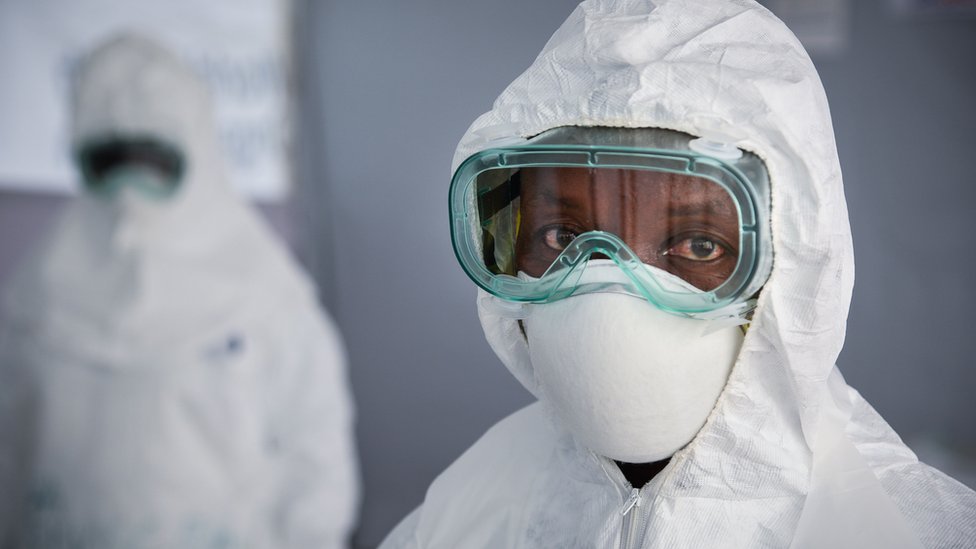
The House also expressed concern that inadequate public awareness, shortages of infection prevention and control supplies, gaps in healthcare workers’ preparedness and limited emergency response capacity could weaken efforts to prevent and contain the disease.
At the plenary session, the lawmakers unanimously adopted the motion and urged the Federal Government to mobilise private, state and federal health agencies immediately and place them on high alert.
They also called on the government, through the Ministry of Finance, to release all outstanding appropriated funds to relevant health agencies without delay.
According to the House, the funds would enable the agencies to discharge their responsibilities effectively as Nigeria intensifies surveillance, contact tracing, laboratory testing and other emergency response measures.
The lawmakers further urged the Federal Ministry of Health and Social Welfare and the Nigeria Centre for Disease Control and Prevention (NCDC) to assess the funding required to strengthen the country’s preparedness and response capacity in line with current epidemiological evidence and public health guidance.
“We recognise the critical roles of the Federal Ministry of Health and Social Welfare, the Nigeria Centre for Disease Control and Prevention, the Federal Ministry of Agriculture and Food Security, relevant state ministries of health, port health authorities, and other stakeholders in strengthening national epidemic preparedness and response.”
Amobi Ogah
He added, “We acknowledge the importance of coordination with the World Health Organisation and other relevant international and regional public health institutions to ensure that Nigeria’s preventive and response measures are guided by current scientific evidence and international health regulations.”
Contact Tracing Intensifies as Regional Outbreak Spreads
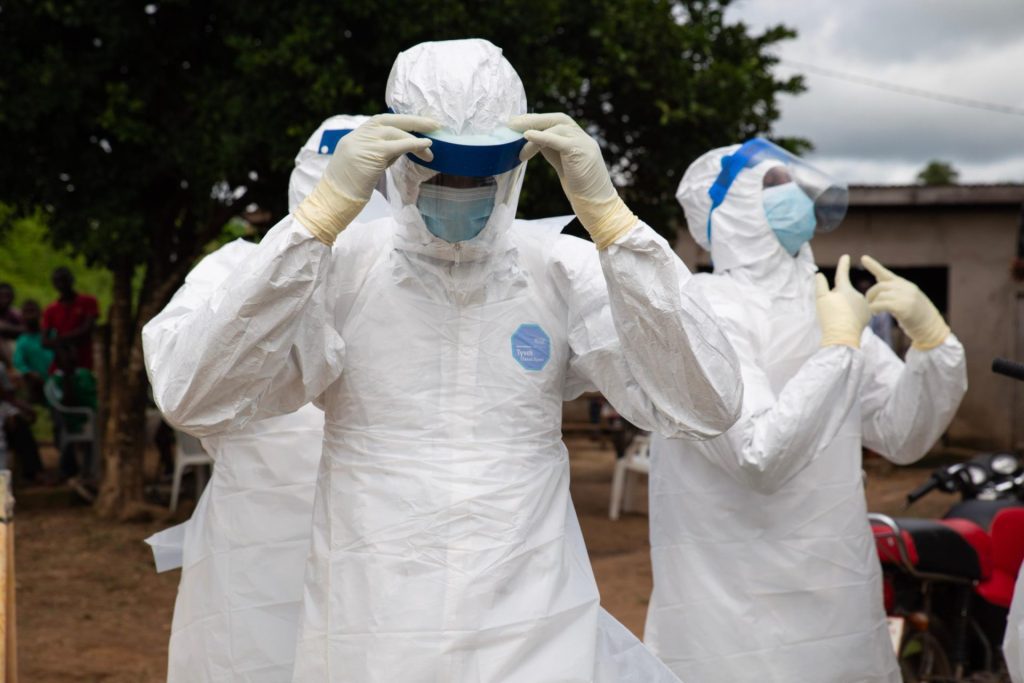
The parliamentary intervention follows Nigeria’s confirmation of an imported Ebola case in Abuja on October 20, 2026, involving a woman who had recently travelled through Uganda.
According to the WHO, the patient developed symptoms on October 7, sought treatment at a private health facility in Abuja on October 11, and tested positive for the Bundibugyo virus on October 20. She is receiving medical care in isolation, while authorities investigate her travel and exposure history.
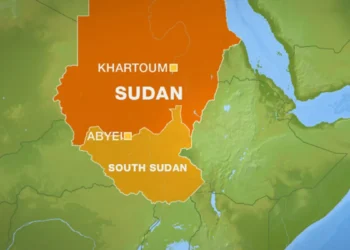
The woman’s precise travel history and the location where she contracted the virus remain under investigation. Uganda’s health authorities have indicated that she travelled to eastern Democratic Republic of the Congo for business before transiting through Uganda in early October, reportedly without symptoms at the time.
Uganda has maintained that her passage through the country does not establish that she contracted the infection there.
The case comes amid a wider regional outbreak of Ebola caused by the Bundibugyo virus, which has spread across several African countries.
According to a recent report, as of October 20, the Democratic Republic of the Congo had recorded 9,552 confirmed cases and 4,602 confirmed deaths. Kenya had reported nine confirmed cases, while Uganda’s cumulative figures included 20 confirmed cases and two deaths. France had also recorded one confirmed case.
The Bundibugyo strain is a relatively rare variant of Ebola for which no approved vaccine or specific treatment is currently available, although research and clinical trials are under way.
Nigeria’s public health authorities have consequently stepped up surveillance and issued preventive guidance to travellers, including those arriving from countries affected by or considered relevant to the outbreak.
The country previously contained an Ebola outbreak in 2014 after the virus was introduced by an infected traveller, with rapid case identification, isolation and contact tracing playing important roles in the response.
READ ALSO: Ato Forson Nearly Doubles NDC’s Christian Vote Advantage