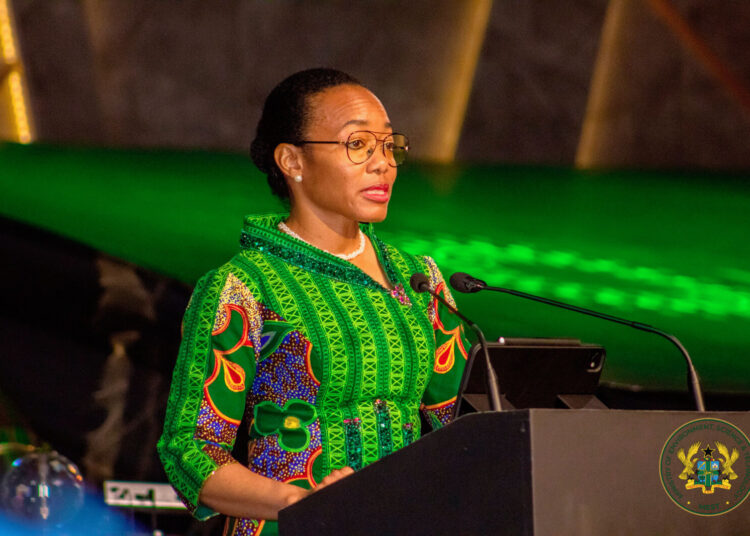
Dr. Zanetor Agyeman-Rawlings (MP), the Minister for Environment, Science and Technology undertook a working visit to selected mining and industrial facilities in the Eastern Region to assess environmental management practices and promote compliance with environmental standards.
The visit formed part of the Ministry’s efforts to strengthen environmental oversight, encourage responsible resource management and promote sustainable industrial practices.
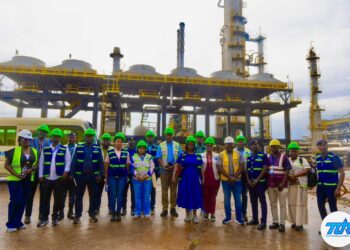
Accompanied by officials from the Environmental Protection Authority (EPA) and the Ministry of Environment, Science and Technology, the Minister’s tour encompassed both formal large-scale operations and heavily impacted illegal extraction zones.
“Such collaboration is important in strengthening environmental governance, improving compliance and ensuring that economic activities do not undermine the sustainability of natural resources.”
Dr. Zanetor Agyeman-Rawlings (MP)
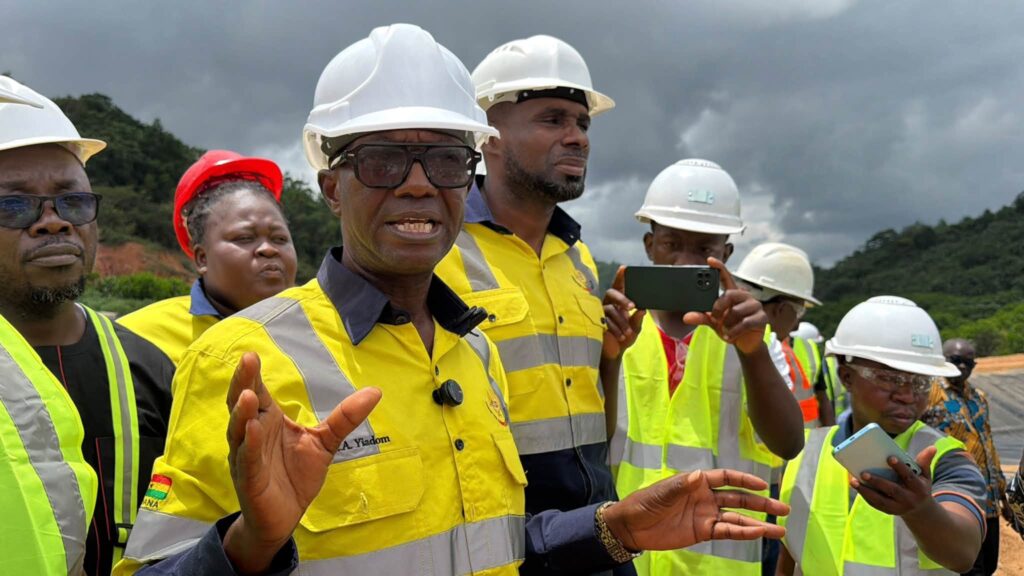
During her tour, the Minister visited Zijin Golden Ridge Limited at New Abirem, where she engaged management on operational protocols and examined the intricate dynamic between mineral extraction, corporate responsibility, and local ecological protection.
Moving to an illegal mining site at Osino, she evaluated the severe ecological toll of galamsey a practice that degrades fertile soil, pollutes freshwater sources, destroys natural vegetation, and threatens community livelihoods.
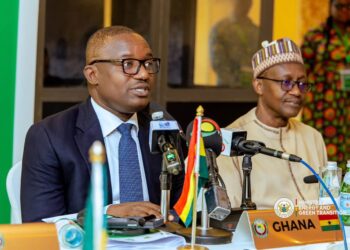
Dr. Zanetor concluded her tour in a strategic briefing with the Eastern Regional Minister, Hon. Rita Akosua Adjei Awatey, emphasizing that multi-agency cooperation is critical to safeguarding natural heritage.
The Imperative for Rigorous Environmental Oversight
Ghana’s extractive sector stands at a critical juncture where the economic gains from mineral wealth must be balanced against severe ecological degradation.
The Ministry’s proactive supervisory initiative is vital because unchecked industrial and unregulated artisanal mining poses systemic threats to national water security, arable agricultural lands, and public health.
Unregulated gold processing continuously discharges heavy metals into major river bodies like the Birim, endangering aquatic ecosystems and escalating water treatment costs for local populations.
By stepping up physical inspections and demanding strict compliance from concessions like Zijin Golden Ridge Limited, state regulators establish a firm precedent that economic development cannot occur at the expense of environmental integrity.
Mitigating Illegal Mining and Ecological Destruction
The persistent spread of illegal small-scale mining, locally known as galamsey, requires aggressive policy interventions and institutional coordination.
Sites like those in Osino highlight how uncontrolled excavation strips topsoil, accelerates deforestation, and deprives rural communities of sustainable agricultural livelihoods.
Institutional intervention is imperative to halt the irreversible loss of biodiversity and prevent land subsidence across vulnerable rural communities.
Enforcing environmental governance at illegal mining hotspots serves not only as a corrective measure but also as a preventative framework to restore degraded land and protect rural economies from long-term ecological collapse.
Synergizing National and Regional Governance Structures
Achieving meaningful environmental compliance requires seamless integration between central government ministries, regulatory bodies, and decentralized administrative authorities.

High-level engagements with regional leadership ensure that local enforcement mechanisms align with national environmental directives and statutory mandates.
Bringing entities such as the Environmental Protection Authority together with regional political authorities creates an accountable oversight framework capable of tracking industrial compliance continuously.
This unified strategy bridges policy formulation and field enforcement, guaranteeing that environmental regulations are strictly implemented to preserve Ghana’s natural resources for future generations.
READ ALSO: Pentecost VC Calls for Investment in Africa’s Youth Skills