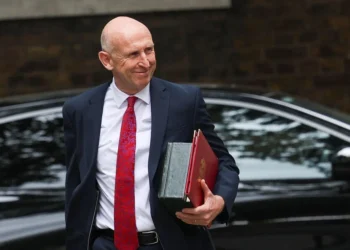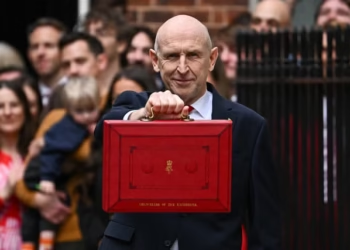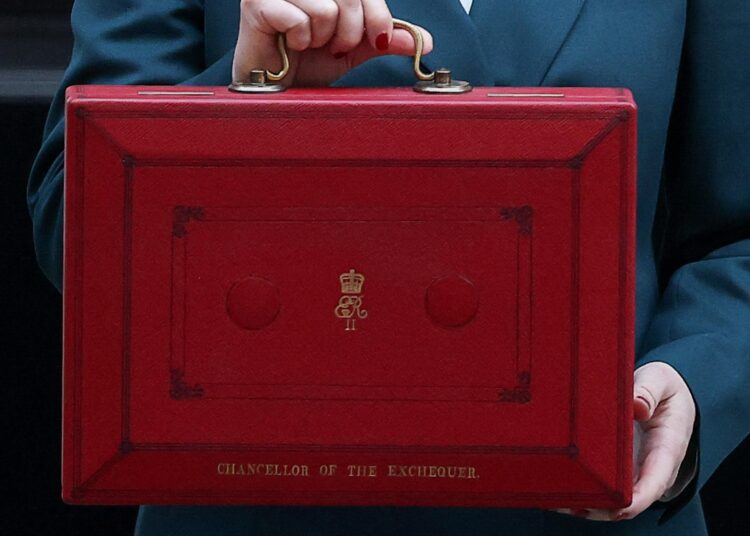
UK’s first Budget under Chancellor John Healey has left the country more vulnerable to future economic shocks, while failing to address a prolonged period of weak household income growth, the Institute for Fiscal Studies (IFS) has warned.
The influential think tank stated that the Budget reduced the government’s financial buffer, left public services facing potential real-terms spending cuts and relied on temporary cost-of-living support rather than measures to strengthen the economy.
According to IFS Director Helen Miller, the decision to allow the government’s financial headroom to fall carried significant risks.
“Higher borrowing will need to be paid for. A lower buffer leaves the Chancellor more exposed to future bad news. There are risks to this approach.”
Helen Miller
The warning comes shortly after Healey’s fiscal headroom was slashed by more than £8 billion to £15 billion for the fiscal year 2029/30, compared to the OBR’s March projection of £24 billion.
IFS Warns Temporary Relief Cannot Fix Weak Growth
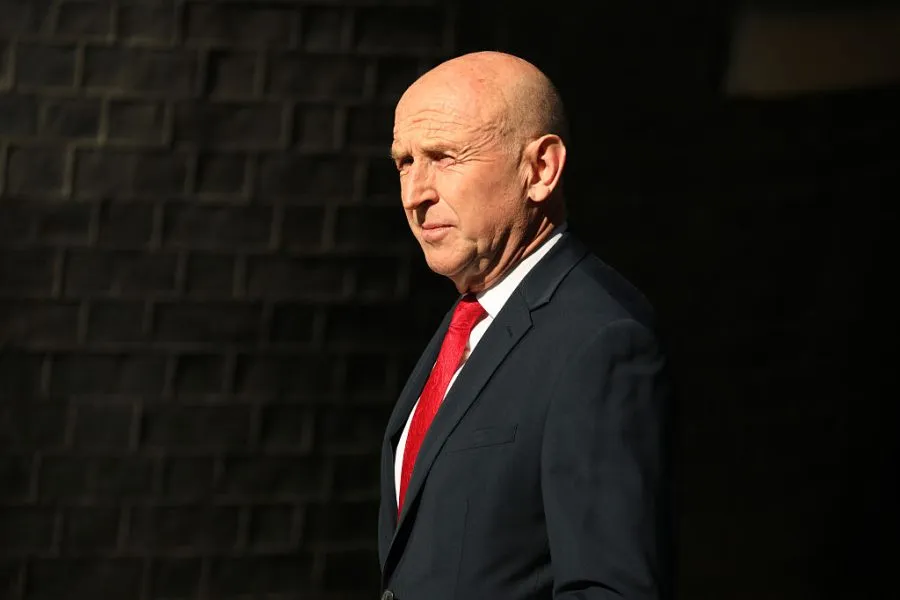
The IFS criticised the government’s reliance on short-term measures to ease pressure on households, arguing that they would do little to address Britain’s underlying economic challenges.
Healey’s headline cost-of-living measure was a £100 payment to around 20 million homes to help with energy bills.
However, the IFS Director indicated that temporary interventions could not compensate for persistently weak economic growth.
“It’s depressing. No amount of temporary cost of living packages will fix that. We need a stronger economy,” she added.
In addition, the Resolution Foundation also warned that the Budget does little to address the significant challenges facing Britain.
The Confederation of British Industry (CBI) similarly criticised the package, describing it as a “nothing” Budget that failed to meet the scale of the government’s ambitions.
The OBR also highlighted the country’s difficult economic position after almost two decades of shocks and stagnation that have pushed up national debt.
According to Professor David Miles, a member of the OBR’s Budget Responsibility Committee, real household disposable income per person had barely grown since before the Covid pandemic.
“That’s pretty unusual in the history of the UK,” he stressed, describing the period as “a dismal period in British economic history.”
Prof. Miller also criticised changes to the tax system, arguing that successive Budgets had introduced unnecessary complexity and instability through small, poorly coordinated adjustments.
She described the system as being in a “mess” and criticised the new Founders’ Relief as “bonkers.”
Public Services Face Cuts as Defence Costs Rise
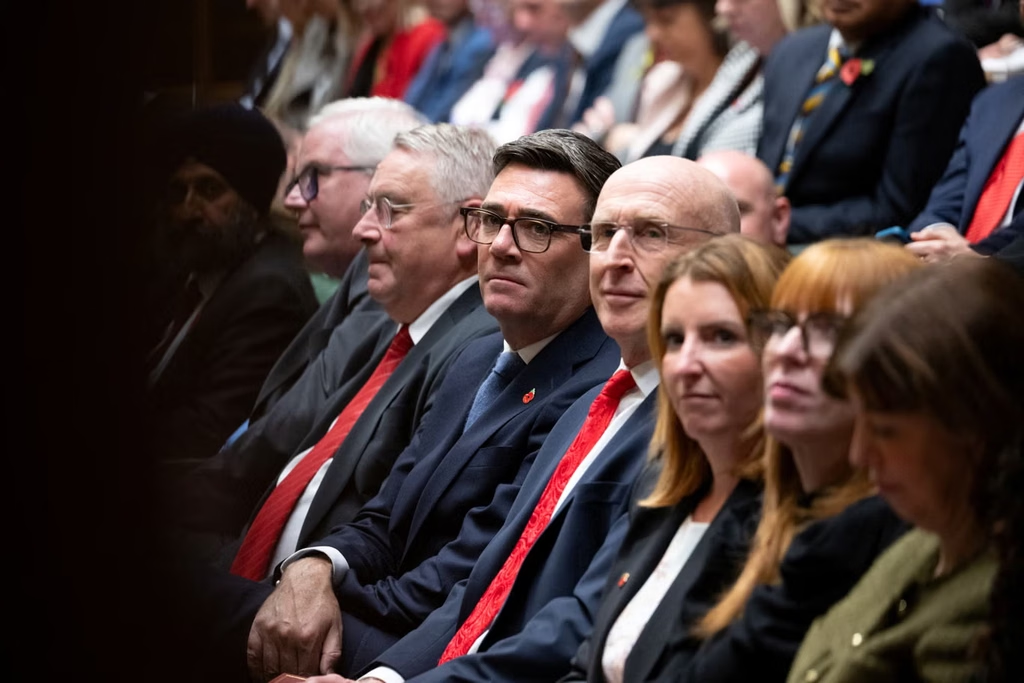
Furthermore, the IFS warned that government departments could face real-terms spending cuts because their budgets remain largely unchanged despite higher inflation.
The IFS Director maintained that avoiding the combined effects of inflation and tight spending limits could require an additional £17 billion by 2030–31, even before accounting for the £11 billion needed to fund defence plans.
The Budget also commits the government to spending 3% of gross domestic product (GDP) on defence by 2030 and addressing a £4.7 billion shortfall in the defence investment plan.
To help fund the shortfall, departments will be required to reduce their capital budgets by 1% annually between 2027–28 and 2029–30, raising approximately £3 billion. The remaining £1.7 billion will come from an unallocated contingency in the Treasury’s capital reserve.
Helen Miler criticised the use of reserves to finance the defence shortfall, arguing that it reduced the government’s capacity to respond to future crises.
“This is categorically not what the reserves are for. Drawing down reserves is another way the government has reduced its buffer against future shocks.”
Helen Miler
Similarly, Bee Boileau, a research economist at the IFS, warned that public service spending could become the “Achilles’ heel” of Healey’s fiscal consolidation plans.
She asserted that the combination of inflation, limited spending growth and increased defence commitments could place public services under significant pressure.
“The government could deliver these, but these will imply setting out lots of real terms cuts to departments over the coming years, and there’ll be huge pressure to put in some top-ups. Next year’s spending review will be the real crunch point for this government.”
Bee Boileau
Welfare Costs and Fiscal Pressures Remain Unresolved
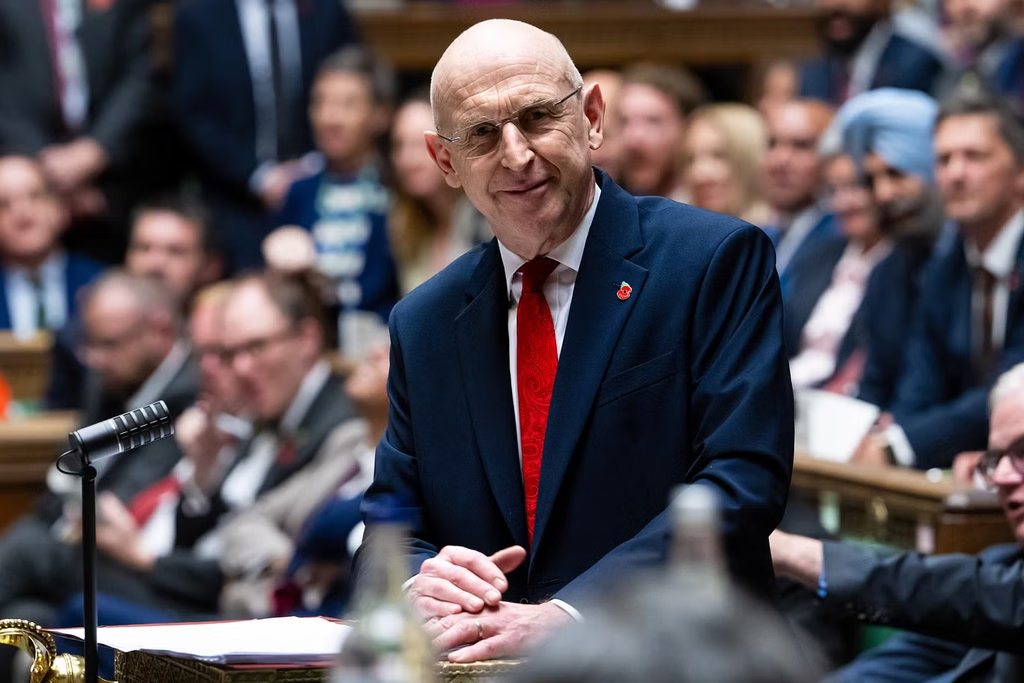
Healey’s Budget has also faced criticism for delaying major welfare reforms until 2027, pending the outcome of Alan Milburn’s review into youth unemployment, which is due next month.
Conservative leader Kemi Badenoch criticised the government’s approach, arguing that Britain is “drowning in an out-of-control welfare system.”
The OBR forecasts that spending on health-related benefits, including sickness benefits and Personal Independence Payments (PIP), will reach £105 billion in the 2028–29 financial year.
The IFS’s wider concerns centre on the government’s ability to balance competing demands on public finances, including welfare spending, public services and defence, while maintaining sufficient financial reserves to absorb future shocks.
Helen Miller stated that she remained unclear about how John Healey intended to achieve the government’s defence spending target, particularly after using reserves and departmental capital budgets to address the immediate funding shortfall.
The criticism leaves the government facing questions over whether its fiscal plans can protect public services, strengthen household living standards and preserve enough financial flexibility to respond to future economic pressures.
READ ALSO: Jinapor Targets Grid Upgrades, Solar Growth And Energy Savings