Public confidence in Labour’s prospects of winning the next general election has risen sharply, with the number of Britons anticipating a victory almost doubling in a year under Andy Burnham’s leadership as Prime Minister.
A new More in Common poll found that 42 percent of the public now expect Labour to win the election, compared with just 23 percent last summer. Meanwhile, the proportion expecting the party to lose has fallen from 58 percent to 33 percent, marking a notable improvement in Labour’s electoral outlook.
According to Louis O’Geran, External Affairs Manager at More in Common, “Just over a year ago, the idea of Labour winning the next election looked far-fetched to most Britons. Fewer than one in four thought it likely.”
“But in a sign of how much Burnham has shifted perceptions of the Labour government, that has now turned around.”
Louis O’Geran
The findings suggest a growing change in public perceptions of Labour since Andy Burnham succeeded Sir Keir Starmer as Prime Minister, with the party recording a ‘Burnham bounce’ in opinion polls.
The shift is also evident among supporters of rival political parties. Twenty-six percent of Reform UK voters now believe the Labour Party will win the next election, compared with 11 percent last summer.
Among voters who backed the Labour Party in the 2024 general election, 72 percent expect the party to secure another victory.
The figure also stands at 54 percent among Liberal Democrat voters and 39 percent among Conservative supporters.
Polling expert and Conservative peer Robert Hayward attributed the change to the departure of Starmer and growing support for Burnham among Labour voters.
“The shift between last year and this year is a combination of two factors. One is the demise of Keir Starmer as prime minister and the other one is a positive view amongst Labour voters towards Andy Burnham”
Robert Hayward
However, he questioned whether the improved perception will survive the government’s upcoming Budget.
“The question is whether that positive view lasts through the Budget. How does it rest in five to seven days’ time?” he added.
The findings come as Labour has overtaken Reform UK in some opinion polls, with the party seeking to consolidate its recovery following a period of declining public support.
EU Rejoining Position Boosts Labour’s Appeal
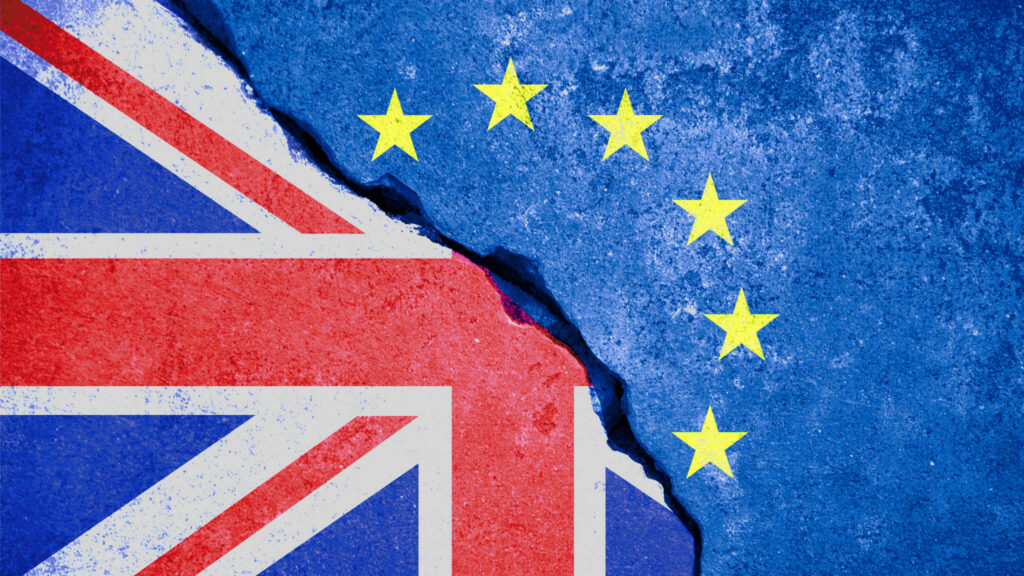
The poll also examined public reaction to Andy Burnham’s suggestion that United Kingdom should consider rejoining the European Union, finding that the position enjoys broader support than opposition.
Overall, 45 percent of Britons believe the proposal reflects positively on the Labour leader, compared with 27 percent who view it negatively. Among those who voted Labour in 2024, approval rises to 71 percent.
The findings suggest that the prospect of closer relations with the European Union can strengthen Labour’s appeal among sections of the electorate that supported the party’s landslide victory in 2024, when it secured a 167-seat parliamentary majority.
Budget and Election Timing Present Fresh Tests
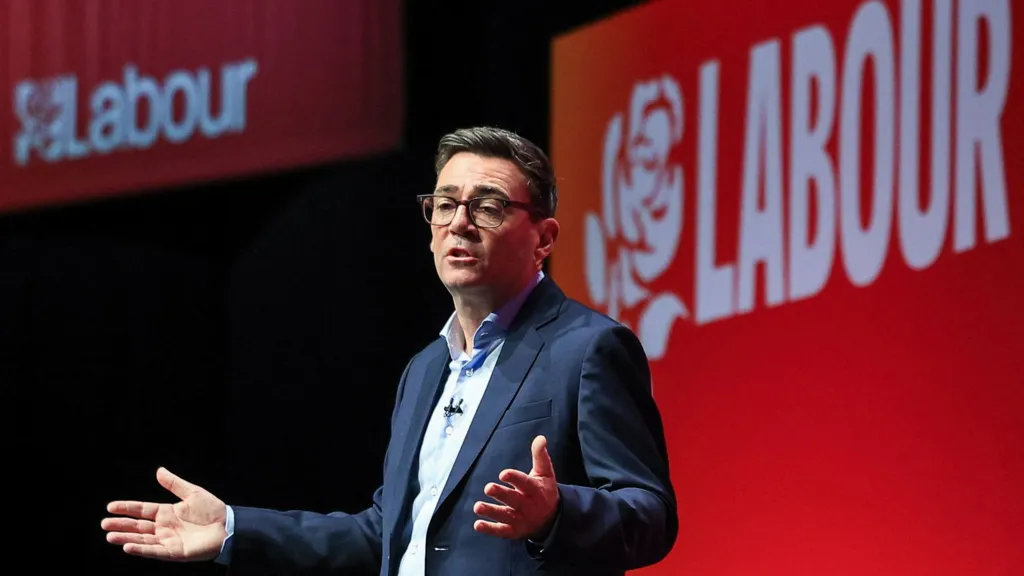
The improved electoral expectations come as Labour faces renewed pressure about the timing of the next general election, which must take place by 2029.
Long-serving Labour MP Diane Abbott called on the Prime Minister, Andy Burnham, to consider an early election if his just-read Budget performs well, arguing that the party’s electoral position might not improve further.
“Because it’s not going to get any better than this,” Diane Abbott added.
However, the Prime Minister has ruled out calling a general election within the next 12 months, amid speculation about his political priorities and efforts to consolidate his leadership.
He maintained that his attention remained on the public rather than the electoral prospects of his party, indicating that he was thinking “about people” and not “my own party and its prospects.”
Despite the improvement in public expectations, the latest polling presents Labour with the challenge of converting growing confidence in its electoral prospects into sustained voter support.
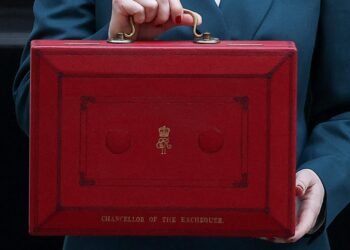
The Budget, delivered earlier, has given Burnham’s government a positive outcome to defend, despite falling short of expectations for a more radical economic transformation. The package prioritised practical relief for households and businesses, including a £100 energy payment for up to 20 million households in England and additional assistance for businesses.
Although the Chancellor stopped short of the sweeping reforms some had anticipated, the measures offer tangible support amid persistent cost-of-living pressures and economic uncertainty.
READ ALSO: Ghana’s Economy Surges to GH¢1.43 Trillion