Iran has declared itself ready for both diplomatic negotiations and military confrontation with the United States, as Tehran maintains its demands for reopening the Strait of Hormuz and warns it will not yield to pressure from Washington.
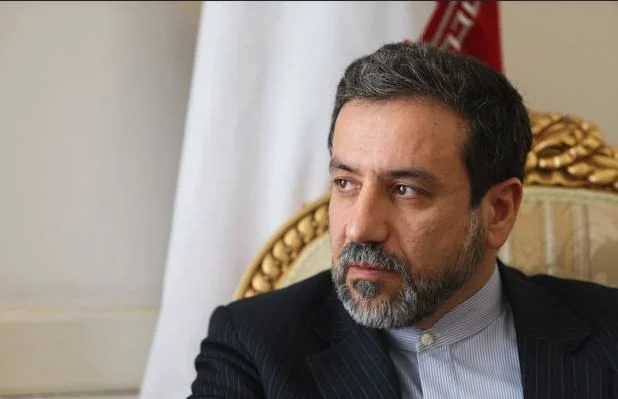
Iranian Foreign Minister Abbas Araghchi made the remarks to a news agency, saying that consultations through mediators Qatar and Pakistan were intensifying and that Tehran had already submitted its proposal. “Everything depends on Washington’s political rationality,” Araghchi said, suggesting that progress would depend on the US response to Iran’s conditions.
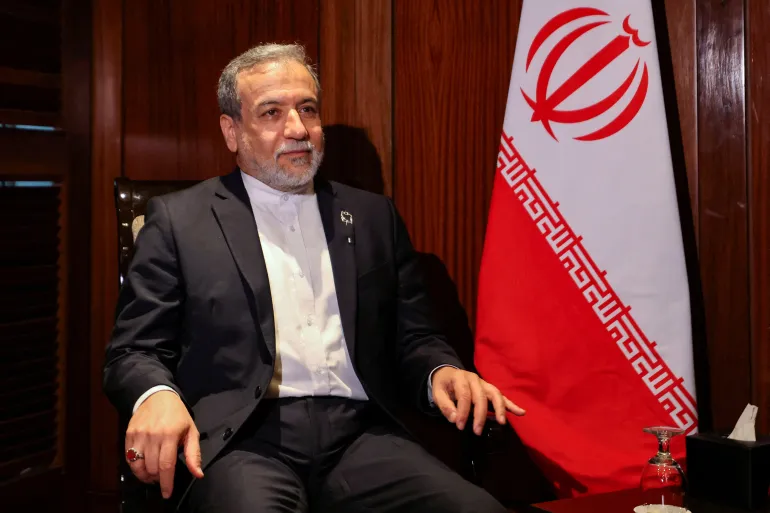
He also linked the reopening of the Strait of Hormuz to Washington’s acceptance of Tehran’s demands, warning that the current situation would persist if an agreement could not be reached.
“By accepting these conditions, the Strait of Hormuz will be opened and negotiations will resume. Otherwise, the current situation will continue and Iran will not bow down.”
Abbas Araghchi
The statements reflect Tehran’s stated willingness to pursue dialogue while maintaining a firm position on the conditions it says must be met before negotiations can advance.
Pezeshkian Says Iran Will Not Surrender
Iranian President Masoud Pezeshkian has also rejected the prospect of surrendering under US threats, while emphasising the importance of public resilience and cooperation as the country confronts mounting pressure.
According to state media, Pezeshkian said that Supreme Leader Mojtaba Khamenei had granted the government “certain authorities” relating to peace negotiations. He did not elaborate on the scope of those powers.
Tehran would seek to resolve the dispute through dialogue, the President said, while insisting that the country would remain firm against what he described as its enemies’ “lies and exaggerations.”
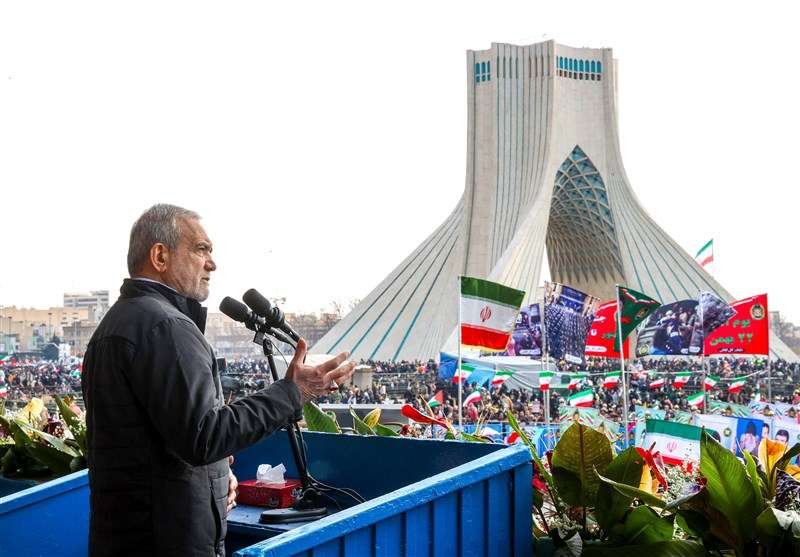
Speaking at a meeting with Governors and Mayors of major cities, Pezeshkian called for national unity in addressing the challenges facing Iran.
“We must overcome the challenges and crises that the enemies have created for our country today with the support and cooperation of the people.”
Masoud Pezeshkian
His remarks indicate that Tehran is publicly maintaining two positions: a willingness to explore a diplomatic settlement and a determination to resist what it considers external pressure.
US President Donald Trump said yesterday that the conflict with Iran could end “very soon, one way or the other,” insisting that Tehran must reach an agreement or Washington would bring the war to an end.
Speaking to the Right Side Broadcasting Network, Trump claimed that the United States had achieved a major victory against Iran and suggested that the conflict could conclude through a negotiated settlement or further US action. “We’ve had such a victory and we’ll put it away very soon, one way or the other,” he said. “Either they’ll make a deal or we’ll just end it,” Trump added, suggesting it could be done “maybe the easy way.”
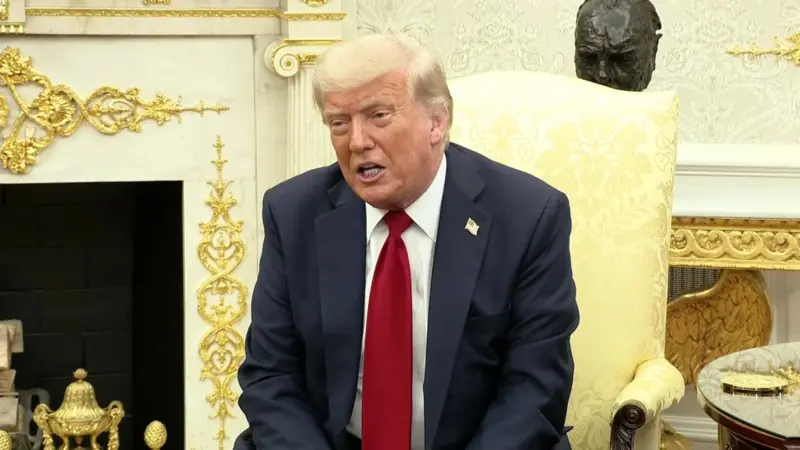
Trump’s comments contrast with Tehran’s insistence that any diplomatic progress must involve Washington accepting its conditions.
Iran has reiterated that meeting its demands would allow security to be restored in the Strait of Hormuz and negotiations to resume within a short period.
The waterway is a strategically important route for global energy shipments, making its status a significant concern for regional security and international markets.
Russia Expresses Concern Over Possible US Strike
Meanwhile, Iran has sought diplomatic support from Moscow as concerns grow over the possibility of renewed US military action. Iran’s Supreme National Security Council Secretary Mohsen Rezaei held a telephone conversation with Russian President Vladimir Putin, during which he expressed appreciation for Russia’s support, according to an Iranian news agency.
Rezaei reportedly thanked Moscow for backing Iran, including its support for what he described as the perseverance and resilience of the Iranian people.
Russia’s Foreign Ministry had earlier described reports suggesting that the United States was preparing to strike Iran again as “extremely alarming.” The comments reflect Moscow’s concern about the prospect of further escalation in a conflict that has heightened tensions across the Middle East.
With Qatar and Pakistan involved in consultations, the possibility of renewed negotiations remains tied to whether Washington and Tehran can reconcile their competing demands.
For now, Iran’s public position combines an openness to dialogue with warnings that it will not retreat under military pressure, while Trump continues to demand an agreement and Moscow voices concern over the risk of further escalation.
READ ALSO: Bulgaria Votes As Russia-Ukraine War Dominates Presidential Race