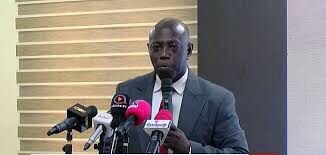
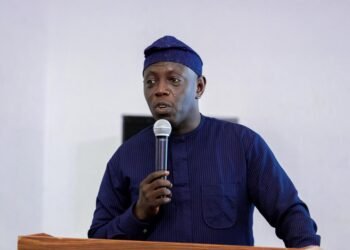
A new analysis released by Policy Analyst Sitsofe Mensah has sparked intense national debate over the country’s energy trajectory, raising fresh concerns about rising tariffs and the future of industrial competitiveness.
The assessment, titled “The 2026 Crossroad: How Ghana Can Turn an Energy Crisis into an Industrial Renaissance,” presents a stark diagnosis of Ghana’s rising energy costs and their direct threat to industrial competitiveness.
According to Mensah, the evidence shows that Ghana’s electricity pricing trajectory has slipped into what he calls a “strategic relapse.” Citing the Industrial Competitiveness Index covering 2015 to 2025, he argues that the data leaves no room for ambiguity.
He warned, “As we approach 2026, the data is no longer a forecast; it is a verdict,” adding that Ghana has fallen back into the same costly energy trap that crippled industries a decade ago.
Between 2018 and 2022, the report notes, Ghana managed to push electricity tariffs down from $0.18 per kilowatt-hour to about $0.11, a shift that briefly placed the country within striking distance of regional competitiveness. But by 2023, that progress reversed sharply, with tariffs now trending back toward $0.16/kWh.
“We have effectively erased a decade of progress,” Mensah observed, explaining that the economic structure that Ghana escaped in 2015 has essentially returned.


Regional Trends Show a Contagion of Crisis
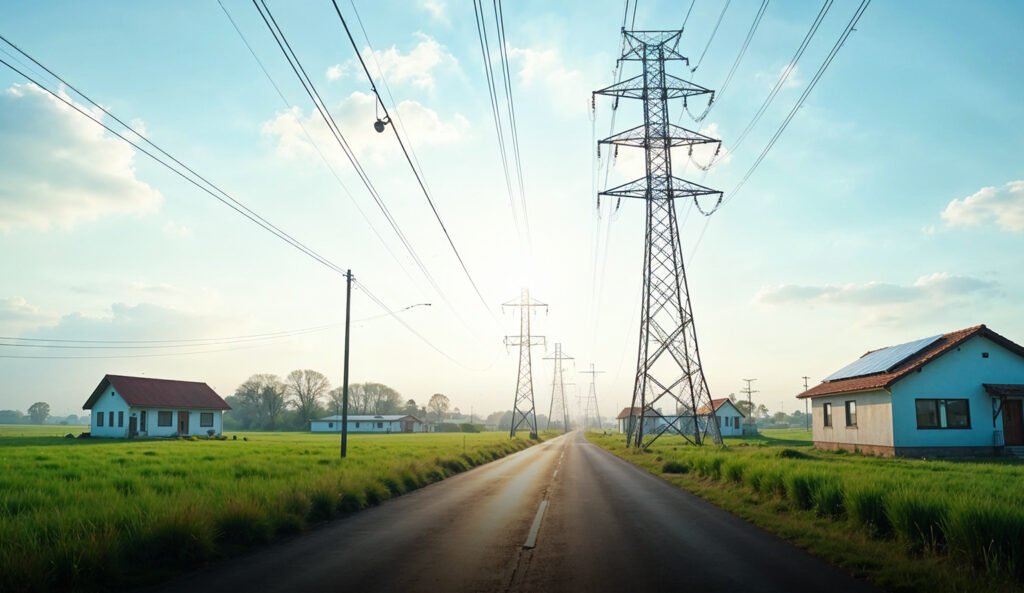
Mensah also highlights that Ghana is not alone in its rising energy cost curve. Neighbouring economies, including Nigeria and South Africa, have seen parallel spikes.
Nigeria, once heavily subsidised, witnessed what he described as a “violent spike,” rising from $0.06/kWh in 2022 to nearly $0.15 by 2025 following subsidy removals. South Africa, formerly the region’s cheapest energy supplier, has climbed steadily from $0.05 to $0.13 over the same period.
However, the most alarming comparison is not regional, it is global. Mensah notes that the benchmark tariff for successful manufacturing economies such as Vietnam and China remains around $0.07/kWh.
“The gap between Ghana’s current position and the global standard is the ‘Death Zone’ for manufacturing. “No amount of patriotism can bridge a cost difference of over 100%.”
Policy Analyst Sitsofe Mensah
Yet, within this bleak landscape, Mensah argues that a rare opportunity is emerging. He calls this the “Golden Window,” a moment where macroeconomic stability and rising grid costs intersect to create a new economic incentive. “The cost of renting energy is skyrocketing, but the cost of borrowing is stabilising,” he explained.
He attributes this shift to improving monetary discipline under the current administration, with the Bank of Ghana’s policy rate trending downward, gradually easing the cost of accessing commercial credit.
“For the first time, the monthly cost of financing your own power plant is becoming cheaper than renting unreliable power from the state monopoly.”
Policy Analyst Sitsofe Mensah
Three-Part Strategy to Escape the Energy Trap
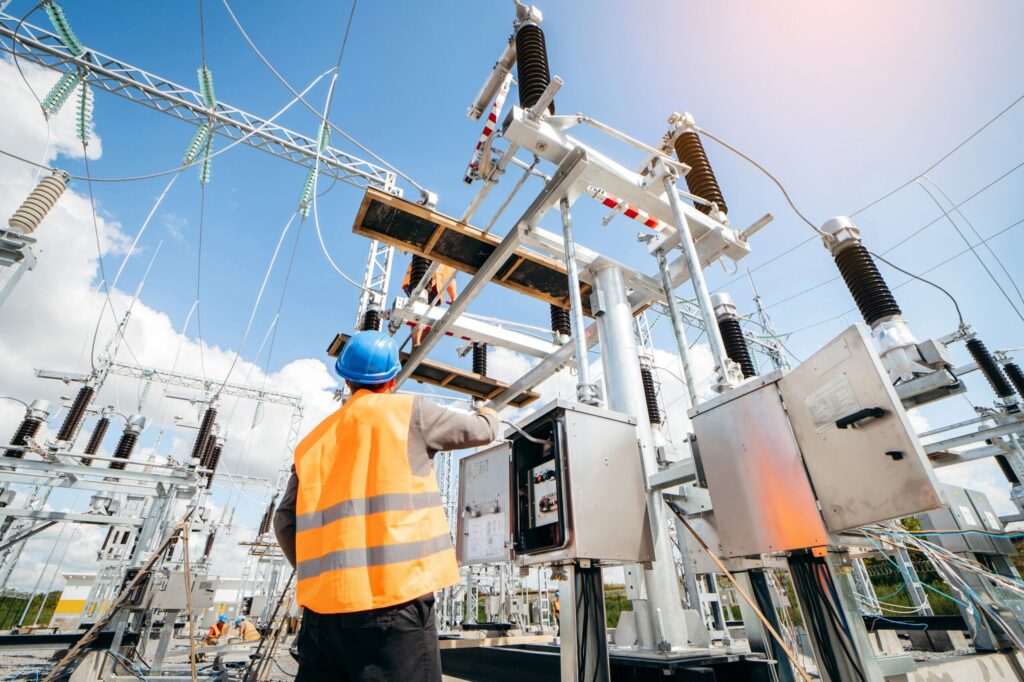
Mensah argues that Ghana does not need a miracle to reverse its energy crisis, only clear strategy.
For businesses, he recommends what he calls a “cash flow swap,” urging industry players to stop viewing electricity as an unavoidable bill and instead treat it as an investment. He explained that the volatility of grid tariffs makes self-generation, especially solar cheaper over time.
“If you stay on the grid, you are betting that the rising price of electricity will suddenly drop. History shows it won’t.”
Policy Analyst Sitsofe Mensah
He urges businesses to pursue green loans to build hybrid or off-grid energy systems that could effectively reduce their energy cost to the global benchmark.
For government, Mensah outlines an “Independence Tariff” policy direction, one that shifts focus from subsidizing grid prices to subsidizing energy independence.
He calls for an immediate zero-rating of all solar and battery imports to reduce capital expenditure by at least 20%. “The only permanent fix is decentralised generation,” he argued.
For households, he emphasises a behavioural shift, calling 2026 the year that ordinary Ghanaians must wage what he describes as a “war on waste,” particularly by abandoning shared meters that attract higher aggregated tariffs.
Mensah concludes that Ghana’s energy challenges are not the result of incompetence but of a mismatched capital cycle. For 10 years, he argues, Ghana poured money into a centralised electricity system that could not sustainably reduce tariffs.
READ ALSO: MTN Tops Trading Charts but Banks Steal the Spotlight in GSE Market Showdown