West Africa Centre for Global Environmental & Occupational Health (WAC-GEOHEALTH) of the School of Public Health at the University of Ghana, has taken a decisive step towards tackling Ghana’s pervasive galamsey crisis.
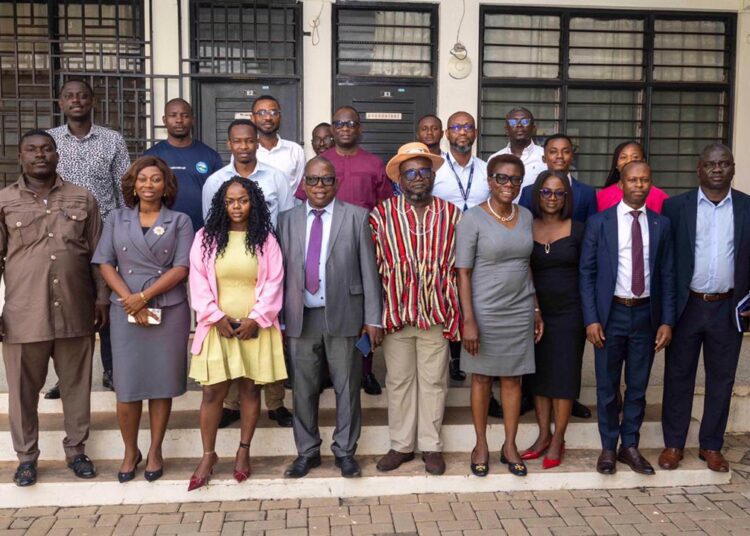
The Centre recently convened a high-level strategic working session, assembling a critical mass of stakeholders to chart a coordinated, nation-wide response aimed at curtailing illicit gold extraction and initiating the large-scale restoration of environmentally devastated Artisanal Small-Scale Mining (ASM) sites.
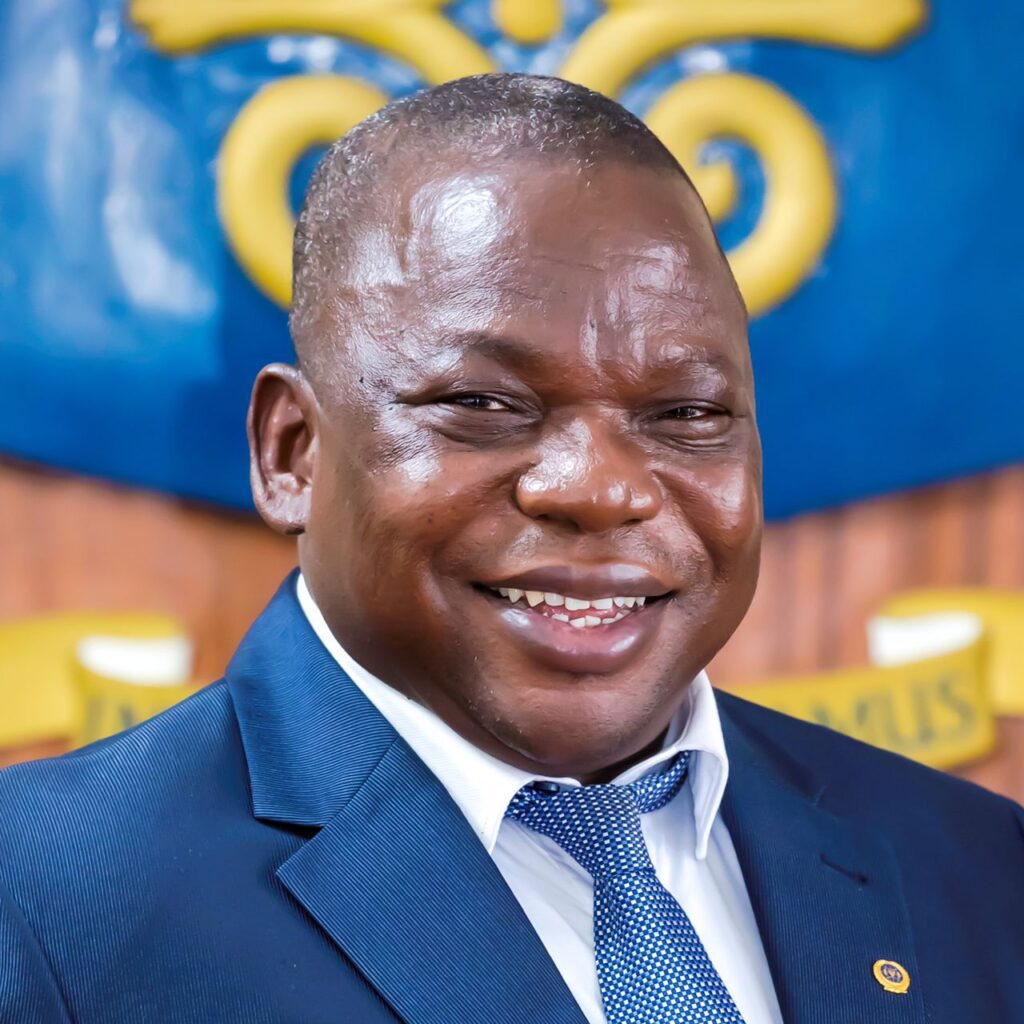
According to Professor Julius Najah Fobil, Director of WAC-GEOHEALTH, only a unified, concerted approach can succeed against this profound national security and public health threat.
“Galamsey has escalated into a national crisis that cannot be addressed by any single entity. It demands coordinated, multi-sectoral efforts involving government agencies, local communities, industry players, civil society and development partners.”
Professor Julius Najah Fobil

This pivotal engagement served as an essential preparatory stage for an upcoming national forum, intended to culminate in the establishment of a single, unified national framework for effectively addressing illegal mining across Ghana.
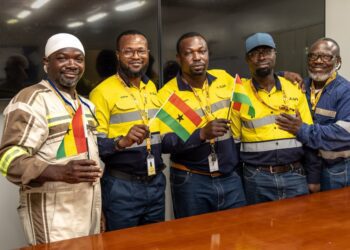
The diverse group of participants included representatives from vital government ministries—such as the Ministry of Lands and Natural Resources, private sector leaders, including Newmont Ghana Gold Ltd and Asanko Gold Ghana Ltd, and key industry bodies like the Ghana Gold Board and the Ghana Chamber of Mines.
This comprehensive representation, which also included the Artisanal Small-Scale Miners Association, signalled a collective recognition that the challenges posed by galamsey demand a multi-sectoral, collaborative effort.
Scale of Environmental and Public Health Contamination

WAC-GEOHEALTH’s primary concern, central to its occupational and environmental health mandate, revolves around the catastrophic consequences of unregulated mining.
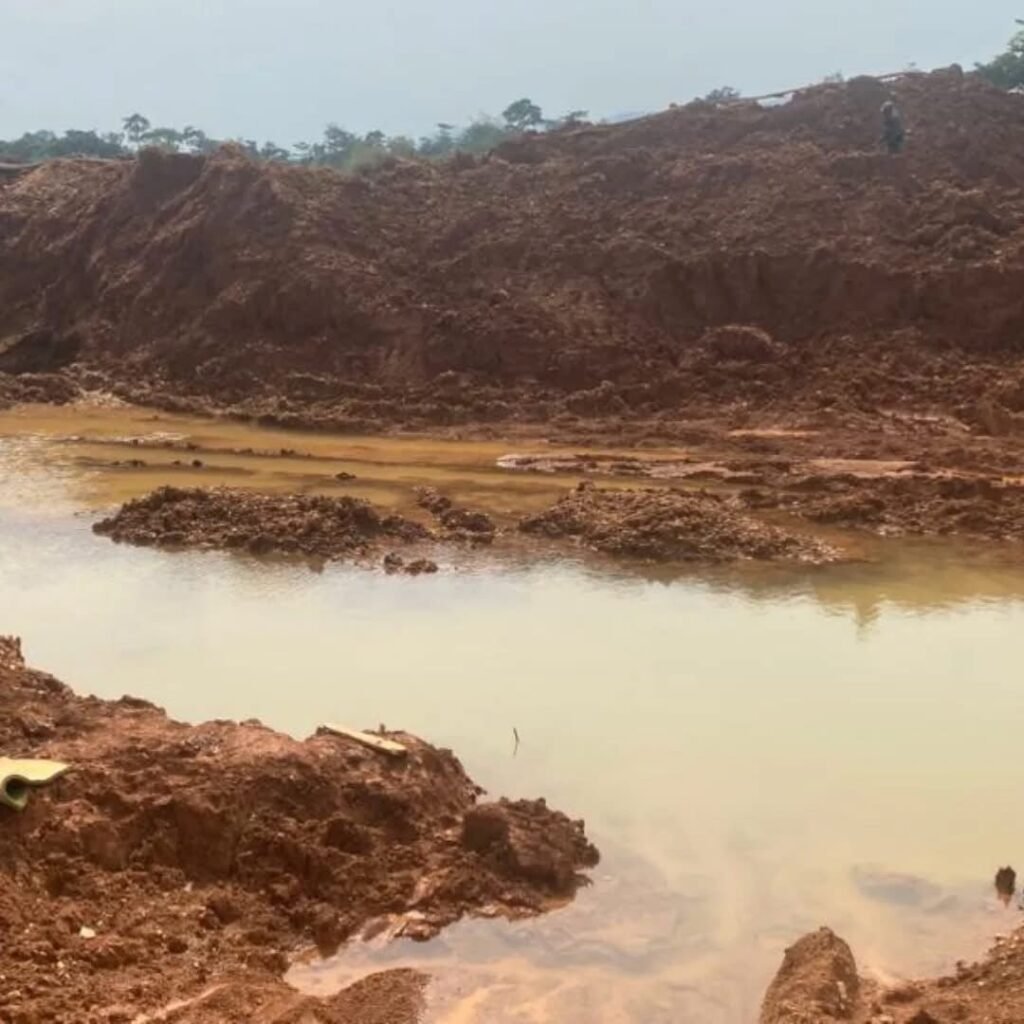
Prof. Fobil outlined these impacts, noting that they include widespread deforestation, the destruction of vital arable farmlands, and the heavy contamination of rivers and other water bodies.
The illegal use of hazardous substances like mercury and cyanide in the gold recovery process is particularly alarming, posing severe long-term risks to public health.
Mercury, a neurotoxin, and cyanide, a potent poison, enter the food and water chains, leading to issues like neurological disorders, kidney damage, and developmental defects in children, effectively creating a public health time bomb in affected areas.
The Centre’s stance is that a continuation of this destruction fundamentally compromises food security, livelihoods, and the nation’s ability to achieve long-term sustainable development goals.
The urgency was amplified by the input of investigative journalist Mr. Erastus Asare Donkor, who highlighted systemic factors enabling the practice.
He noted that despite the existence of regulatory laws, they are often rendered ineffective by “weak regulatory enforcement, political interference, corruption, organised crime and the influx of foreign miners.”
He further revealed the shocking statistic that approximately 50 forest reserves have reportedly been illegally invaded, with illicit operations now utilizing heavy equipment and armed protection, compounding the difficulties faced by enforcement agencies.
Ing. Kenneth Ashigbey, CEO of the Ghana Chamber of Mines, classified the rampant, unregulated use of these hazardous chemicals as a “national security threat,” underscoring the need for a strict delineation between lawful and illegal mining activities.
Policy, Formalisation, and Restoration as Core Solutions
WAC-GEOHEALTH’s commitment to the fight against illegal mining is manifested in its role as a strategic convener and advocate for evidence-based policy.
The Centre believes that a two-pronged strategy focusing on strict regulation and strong support for legitimate miners is the only way forward.
Prof. Fobil called for decisive legal interventions, including the establishment of clear regulatory frameworks, consistent law enforcement, and “fair benefit-sharing mechanisms to ensure that host communities gain from mining activities.”
Furthermore, the Director drew attention to the vulnerability of legitimate small-scale miners, often operating with limited resources.
“Without support in the form of financing, skills development, and access to sustainable mining technologies, these miners are frequently pushed into informal or illegal operations,” Prof. Fobil hinted.
Consequently, WAC-GEOHEALTH advocates for targeted incentives to promote environmentally responsible practices and the formalisation of the small-scale sector to integrate them into the regulated economy.
The Ghana Chamber of Mines, through Ing. Ashigbey, pledged full support for the national forum and stressed the importance of rigorous enforcement, a position strongly supported by the large-scale mining industry.
The Centre’s approach is to use this engagement to identify not just problems, but “practical, collaborative solutions” that safeguard public health and resources.
Unified Framework for Coordinated Reclamation

The session laid the groundwork for a unified national response, driven by the principle of multi-stakeholder collaboration, as highlighted by facilitator Madam Adiki Ayitevie.
She stressed that building consensus is “critical to developing actionable and practical solutions” and moving beyond a fragmented, ineffective response.
The engagement focused on aligning strategies, sharing experiences, and strengthening partnerships for the rehabilitation of affected areas.
A practical example of remediation was shared by Mr. Benjamin Dwira, Managing Director of Logiest Group Limited, who provided insights from successful reclamation efforts in the Amansie Central District.
He emphasized that restored sites are being prepared for productive future use, specifically agriculture, through the application of appropriate technology like phytoremediation.
This involves using plants to naturally absorb and neutralize contaminants from the soil.
The session concluded with a concrete action plan, setting clear objectives and timelines for the forthcoming national scoping workshop, thus ensuring an effective, coordinated, and sustainable response to the existential challenge of galamsey in Ghana.
READ ALSO: ‘Give the Shame Award to Parliament Itself’ — Barker-Vormawor Fires