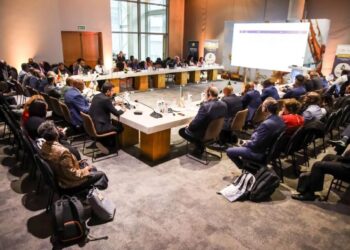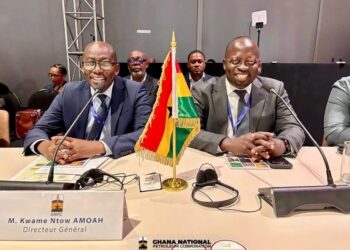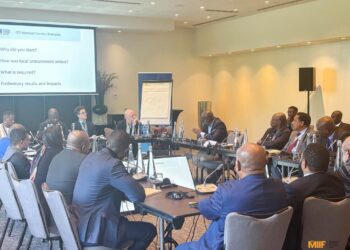

The Chamber of Oil Marketing Companies (COMAC) is set to hold an emergency meeting on Wednesday, 21st January 2026, as divisions deepen within the downstream petroleum sector over the Petroleum Price Floor Programme.
The meeting is expected to bring together members of the Chamber who hold opposing views on the policy, which has once again become the subject of intense industry and public debate.
The emergency session follows growing concerns from both proponents and critics of the price floor, with disagreements threatening to fracture the industry’s collective voice on fuel pricing regulation.
Confirming the meeting, Chief Executive of COMAC, Dr Riverson Oppong, said the issue has become a delicate balancing act not only for oil marketing companies but also for consumers.
“This is a big tug of war for all of us, even for consumers,” Dr Oppong said in an interview. His comments reflect the competing pressures facing the industry, as companies grapple with regulatory compliance while responding to public demands for lower fuel prices.
Dr Oppong disclosed that the Chamber’s official position on the Petroleum Price Floor Programme will only be made public after the emergency meeting, underscoring the need for internal consensus before engaging regulators and the wider public.
Beyond Prices: Quality and Revenue Concerns
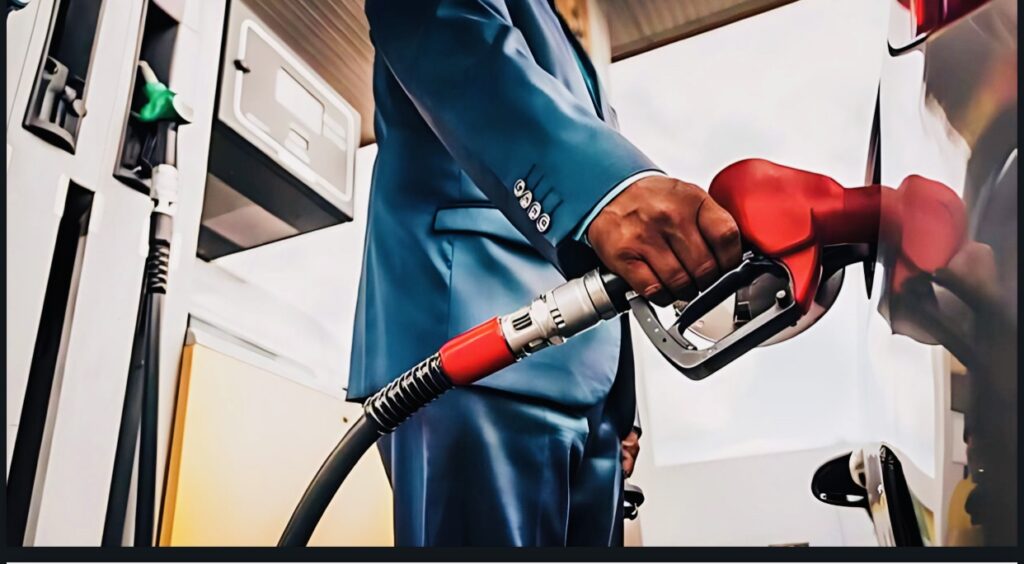
According to the COMAC Chief Executive, the fuel price floor debate extends far beyond what consumers pay at the pump. He stressed that the policy has implications for product quality and government revenue, areas that are often overlooked in public discourse.
“The price floor is not just about prices,” Dr Oppong explained, adding that aggressive undercutting could incentivise cost-cutting practices that compromise fuel quality.
He further noted that instability in pricing can affect tax collections and levies, which form a significant part of government revenue from the petroleum sector.
These concerns, he said, partly explain why opinions within the Chamber remain divided, with some members prioritising short-term consumer relief and others focusing on long-term market sustainability.
Despite the internal disagreements, Dr Oppong expressed optimism that the emergency meeting would result in a unified and amicable position.
He indicated that COMAC is also engaging the National Petroleum Authority (NPA) as part of efforts to resolve outstanding concerns surrounding the programme.
He explained that the decision to introduce a price floor was not imposed unilaterally by regulators but was taken collectively by industry players in consultation with the NPA. The move, he said, was aimed at curbing destructive price undercutting that had the potential to destabilise the market.
Dr Oppong added that the policy was designed to protect consumers from the long-term consequences of a race to the bottom in fuel pricing.
Price Floor Not About Profits
Addressing a common criticism of the policy, Dr Oppong rejected suggestions that the fuel price floor is intended to guarantee profits for oil marketing companies. He stressed that the mechanism merely sets a minimum benchmark to guide pricing behaviour in the market.
“The fuel price floor is not designed around profit margins for oil marketing companies,” he emphasised, explaining that it serves as a reference point to prevent pricing practices that could harm competition and consumer welfare over time.
This clarification comes amid claims by some industry players that the price floor limits innovation and price flexibility, particularly during periods of favourable global oil prices.
As COMAC prepares for its emergency meeting, the outcome is expected to shape the next phase of engagement between industry players and regulators.
A unified stance could strengthen the Chamber’s influence in ongoing discussions with the NPA, while continued divisions may complicate efforts to address public concerns over fuel pricing.
For consumers, the debate highlights the complex trade-offs between short-term price reductions and long-term market stability.
As Dr Oppong suggested, the challenge lies in finding a balance that protects consumers without undermining fuel quality, competition, or government revenue.
All eyes will now be on the January 21 meeting, as the industry seeks common ground on one of the most contentious policy issues in Ghana’s petroleum downstream sector.
READ ALSO: IRC Warns Of Worsening Hunger In Yemen