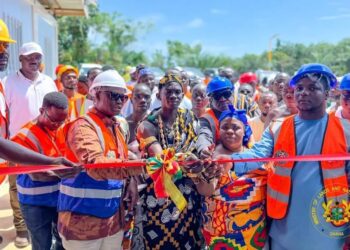
Dr. Kenneth Bansah, a mining expert and environment steward, has issued a sharp rebuke to the Parliamentary Select Committee on Environment following their recent oversight tour of the Ashanti and Ahafo Regions.
While the legislative body initially received praise for its commitment to assessing the environmental sustainability of mining host communities, the mission has been marred by allegations of professional negligence regarding basic site safety.
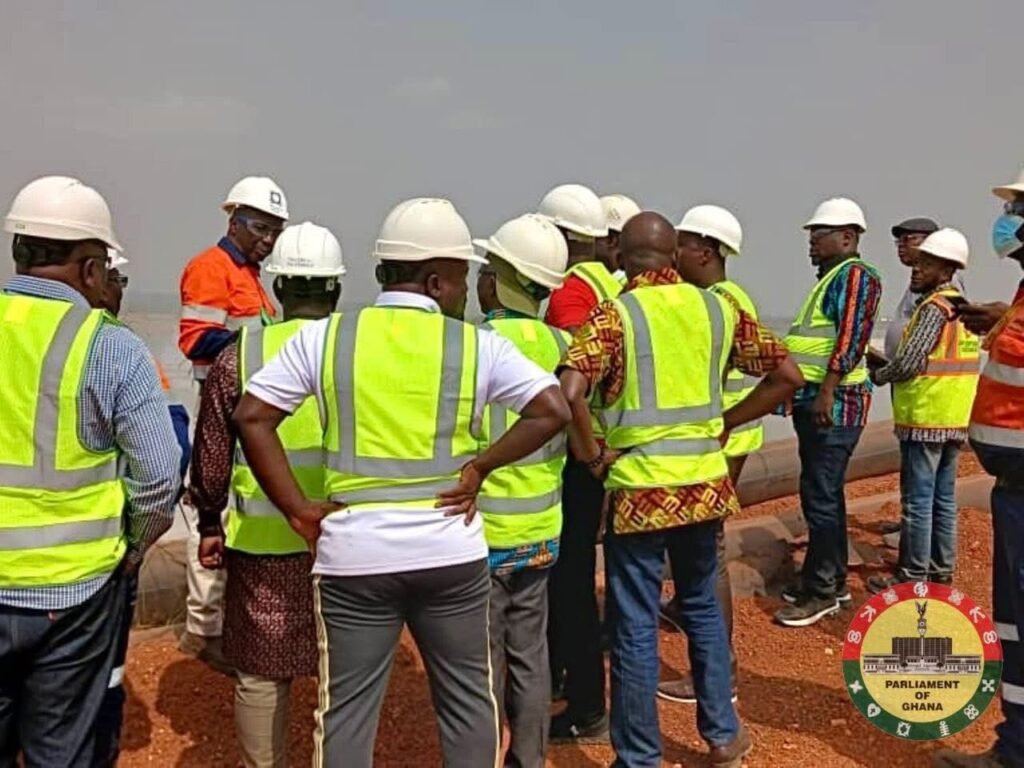
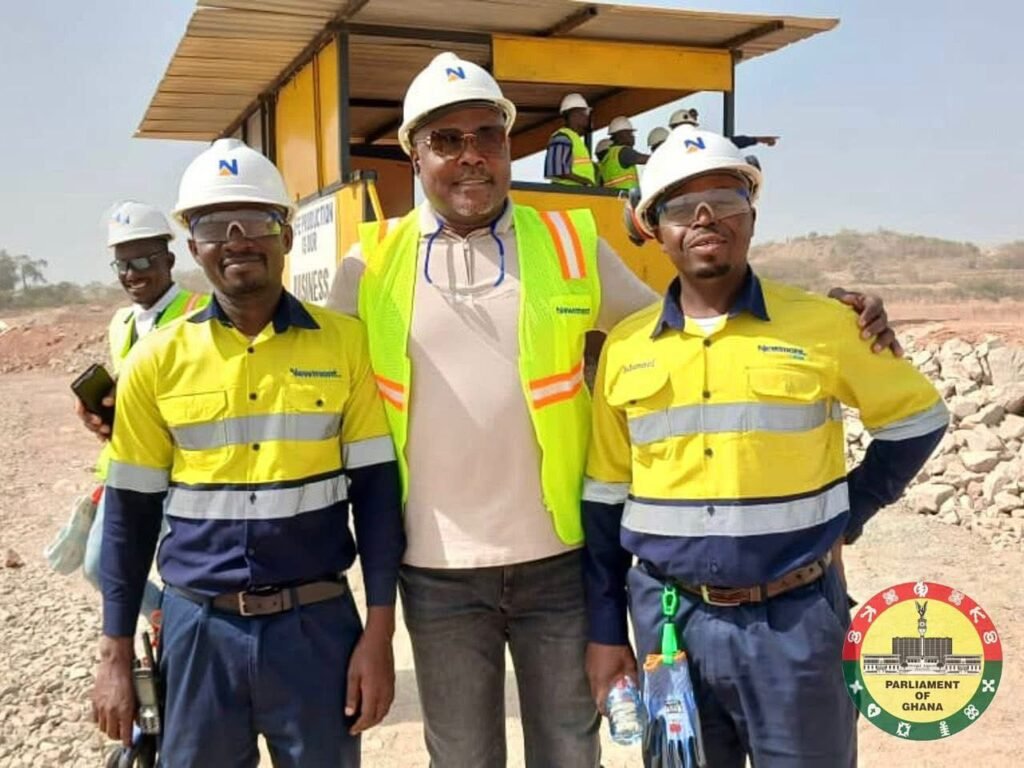
Photographs released by the committee during their visit revealed several lawmakers operating within hazardous mining zones without the required safety gear, a move Dr. Bansah describes as a fundamental breach of extractive industry standards.
The expert argues that for oversight to be “effective,” it must be grounded in an unshakeable respect for the very regulations parliamentarians are tasked to enforce.
“From the images shared, it appears that some parliamentarians did not fully meet these basic safety requirements. Mining companies should not hesitate to inform lawmakers of site safety expectations or provide the necessary protective clothing where required. Safety standards must apply to everyone on site, without exception.”
Dr. Kenneth Bansah
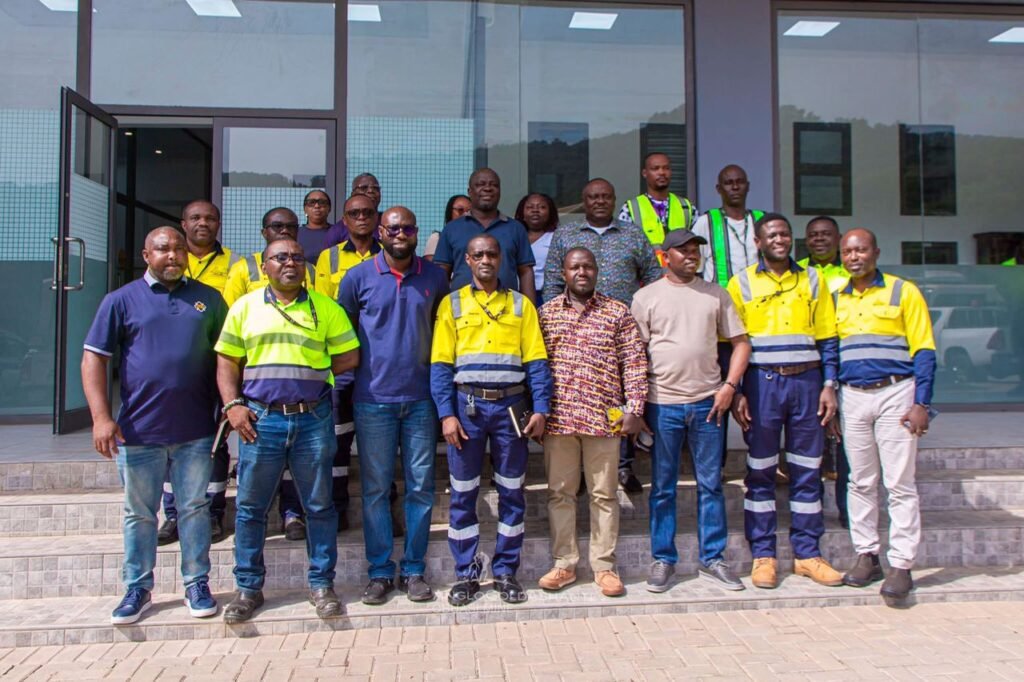
The controversy highlights a perceived double standard in the enforcement of mining safety protocols, which are legally mandated to protect both visitors and workers from the high-risk conditions of active sites.
Dr. Bansah pointed out that the presence of high-ranking officials does not grant immunity from the “mandatory” use of safety glasses, hard hats, reflective vests, and steel-toed boots.
He further criticized the mining firms involved for their apparent hesitation in enforcing site-entry requirements, suggesting that safety standards must be applied “without exception” to maintain the integrity of the sector.
By failing to wear appropriate field clothing and adhering to prohibitions against loose attire, the lawmakers potentially compromised their own safety and sent a conflicting message to a community often regulated for the same lapses.
The Crucial Relevance of PPE and Mine Site Protocols
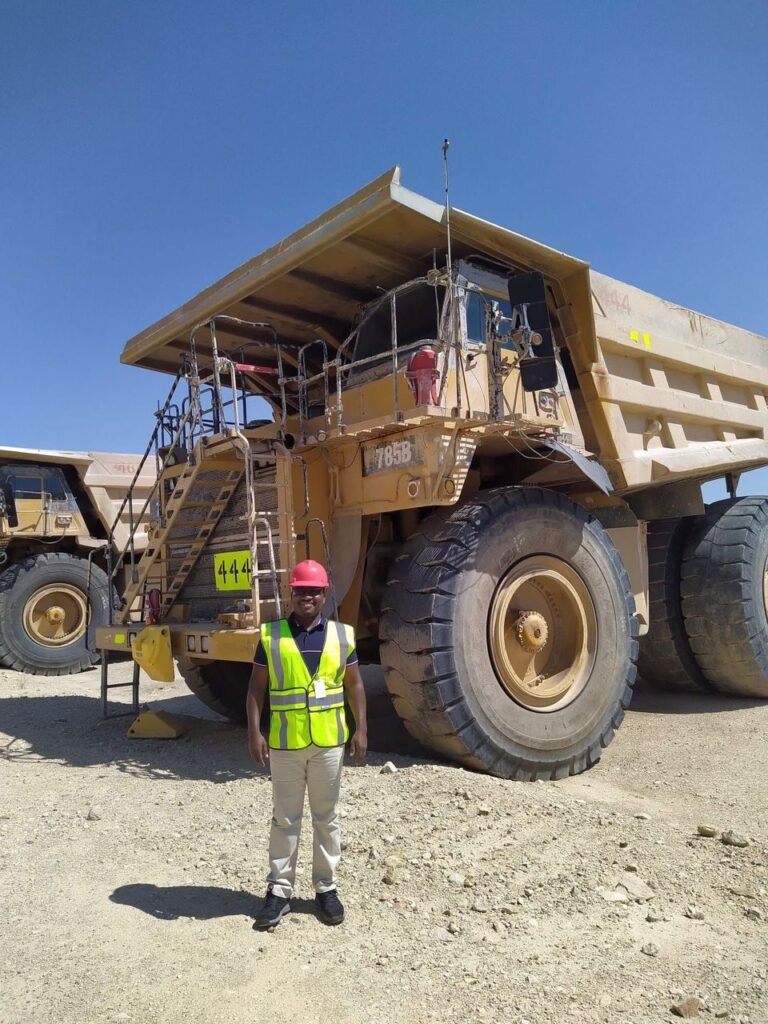
In the extractive industry, site safety protocols are the definitive line of defense between operational routine and catastrophic injury.
The requirement for specialized Personal Protective Equipment (PPE) is scientifically designed to mitigate specific environmental threats common in the Ashanti and Ahafo mining belts, such as falling debris, high-velocity particulate matter, and heavy machinery blind spots. Reflective vests are essential for “high visibility” in active haulage roads where massive earth-moving equipment operates, while hard-toed boots protect against crush injuries in rugged terrain.
Adherence to these rules is not merely a formality but a “lifesaving necessity” that ensures the physical integrity of every individual within the concession’s perimeter.
Consequences of Ignoring Safety Mandates in Mining
Ignoring established safety protocols carries severe legal, operational, and reputational consequences for both the regulatory visitors and the host mining companies.
Statistically, the mining sector remains one of the most hazardous work environments globally, and any lapse in “safety discipline” can lead to preventable fatalities or permanent disabilities.
Legally, allowing unauthorized or improperly equipped personnel into active zones can expose mining firms to “gross negligence” lawsuits and heavy regulatory fines from the Inspectorate Division of the Minerals Commission.
Furthermore, such public lapses erode the “social license to operate,” as host communities may view the disregard for safety by leadership as a sign that their own welfare is secondary to political optics.
Enforcing Accountability in Legislative Oversight
To bridge the gap between oversight and compliance, it is imperative that future parliamentary visits are preceded by a rigorous safety induction that leaves no room for “protocol bypass.”
Dr. Bansah’s intervention serves as a necessary “wake-up call” for the Select Committee to harmonize their environmental stewardship with a culture of personal and site responsibility.
As the committee concludes its report on the Ashanti and Ahafo regions, the focus must shift toward demonstrating that “no individual is above the law” when it comes to life-saving safety measures.
True leadership in the extractive sector is defined by a commitment to the highest standards of safety, ensuring that every field visit is as secure as it is insightful.
READ ALSO: Examine How ASM Contributes to Revenues – Expert Urges Gov’t