Gold Fields has pivoted toward a rigorous cost-optimisation strategy at its Tarkwa operations in Ghana, focusing on a comprehensive reconfiguration of its mining fleet to counter escalating operational headwinds.
This strategic shift comes as the company navigates a transition period characterized by a massive waste stripping campaign, which has temporarily dampened production and driven up unit costs.
By realigning its heavy machinery and “optimising the mine design,” the extractive giant aims to restore profit margins that were squeezed during the 2025 fiscal year.
“A key focus in the near to medium term is to optimise Tarkwa’s mining costs by improving mining efficiencies, reconfiguring the mining fleet and optimising the mine design. This effort is central to managing the impacts of the ongoing waste stripping campaign and ensuring long-term asset value.”
Gold Fields 2025 Report
The necessity for this overhaul is underscored by recent performance data revealing that Tarkwa’s gold production dipped by 12% as the site was forced to supplement its ore feed with lower-grade stockpiles.
This production slump, combined with a 26% year-on-year surge in All-in Cost (AIC), was further exacerbated by “general mining inflation” and a significant 31% spike in royalties paid to the Ghanaian government.
To mitigate these pressures, the upcoming fleet reconfiguration is expected to involve the deployment of more fuel-efficient, high-capacity haulage systems and “improving mining efficiencies” through advanced predictive maintenance and automated dispatching technologies.
Enhancing Operational Resilience and Efficiency

The decision to reconfigure the mining fleet is a direct response to the “increased capital expenditure” and volume-driven cost spikes reported in the 2025 cycle.
In the extractive sector, fleet efficiency is the heartbeat of open-pit mining; by rightsizing the ratio of excavators to haul trucks and integrating telematics, Gold Fields can significantly reduce idle times and fuel consumption.
This move essentially “derisks” the operation against the volatility of global energy prices and the physical challenges of deeper pit sequences.
Furthermore, a more streamlined fleet allows for a “tighter mine design,” reducing the distance material must be moved and directly lowering the cost per ounce produced.
Strengthening the National Economic Compact
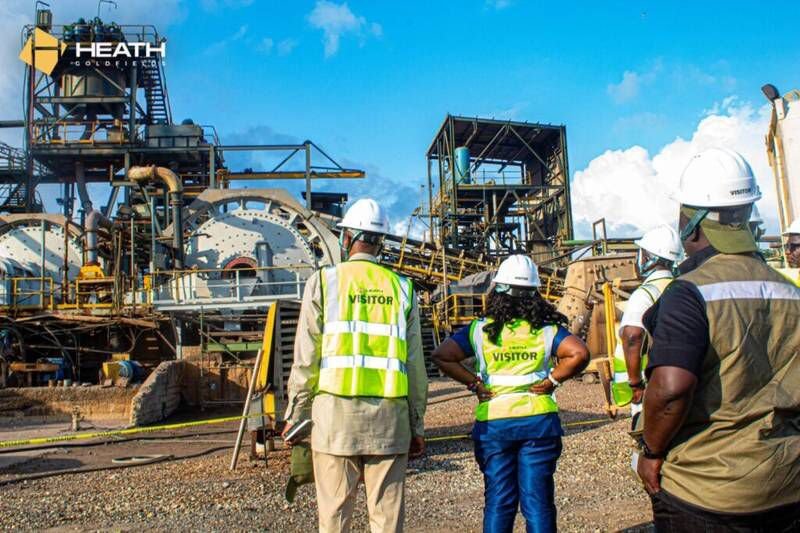
For Ghana, Gold Fields’ commitment to Tarkwa’s longevity serves as a critical fiscal anchor. Despite the operational hurdles, the company remitted a staggering GH₵5.77 billion to the state in 2025, with Tarkwa alone contributing GH₵1 billion in royalties.
By investing in fleet upgrades and “optimising mining costs,” Gold Fields ensures that the mine remains a “cornerstone asset” capable of sustaining these high-level tax and royalty contributions.
This efficiency-led approach secures thousands of local jobs and maintains the “shared value initiative” that has seen over $100 million invested in host community infrastructure through the Gold Fields Ghana Foundation.
Future-Proofing Ghana’s Extractive Legacy
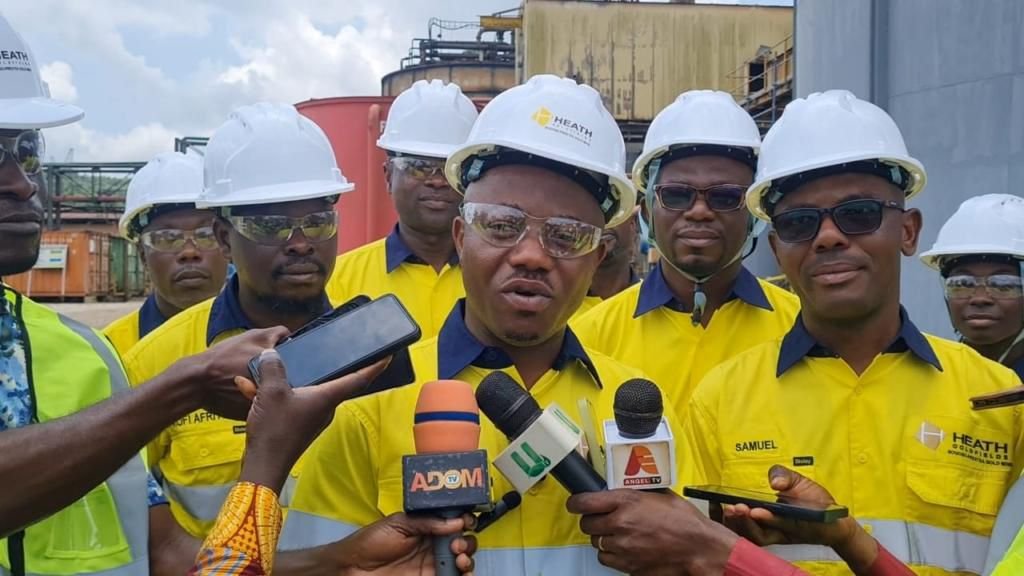
The strategic reconfiguration at Tarkwa is more than a simple equipment swap; it is a blueprint for the “digital transformation” of Ghanaian mining.
As the industry faces deeper orebodies and lower grades, the “optimisation of mine design” becomes the only viable path to maintaining competitiveness.
By proactively addressing these challenges now, Gold Fields is positioning its West African operations to thrive in a high-cost environment, ensuring that Tarkwa continues to fuel national growth and “local content development” for decades to come.
READ ALSO : GSA, Indian Investors Forge New Industrial Cooperation Path