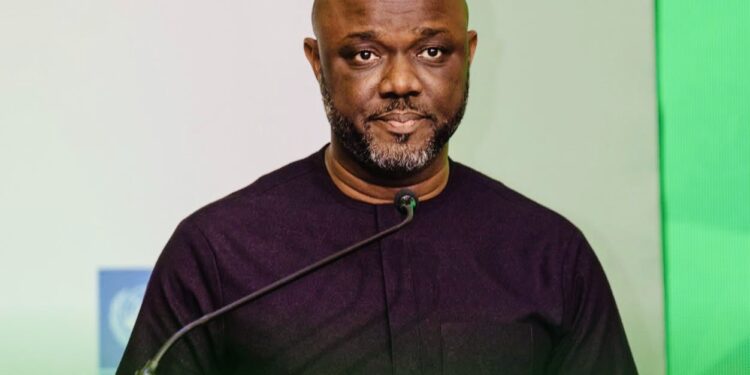
Concerns over Ghana’s energy sector structural fragility have resurfaced following warnings from the Executive Director of the Africa Centre for Energy Policy (ACEP), Ben Boakye, who says the apparent calm among Independent Power Producers (IPPs) masks deep-rooted financial vulnerabilities.
Speaking during a NorvanReports and Economic Governance Platform (EGP) X Space discussion on the theme “Energy Sector ‘Reset’: Will It End the Circular Debt or Recreate It?”, Mr. Boakye argued that the sector’s stability is not the result of operational efficiency or structural reform. Rather, it is being sustained by direct fiscal intervention from the Ministry of Finance.
According to him, the absence of public agitation from IPPs should not be interpreted as proof that the sector’s financial problems have been resolved. Mr. Boakye disclosed that the cost of gas supplied to the power sector is almost entirely borne by the state.
“The cost of gas supplied to the power sector is almost entirely absorbed by the Finance Ministry, with the state paying between $70 million and $75 million every month to cover fuel costs that should ordinarily be recovered through tariffs.”
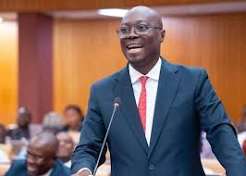
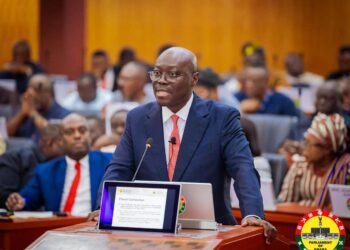
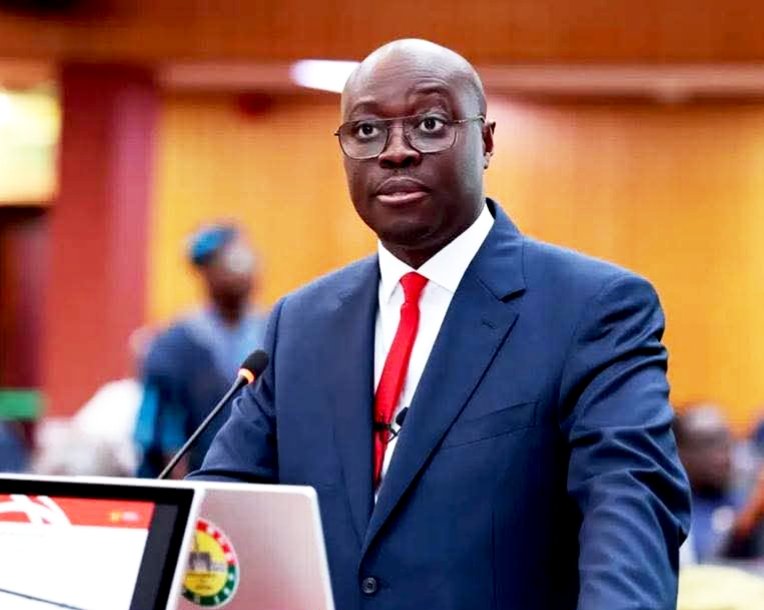
Ben Boakye, Executive Director of ACEP
This arrangement, he suggested, distorts the true financial position of the sector. While power plants continue to generate electricity and recover investment costs and profits, the fuel component remains heavily subsidised by government.
$400 Million in Annual IPP Debt Payments
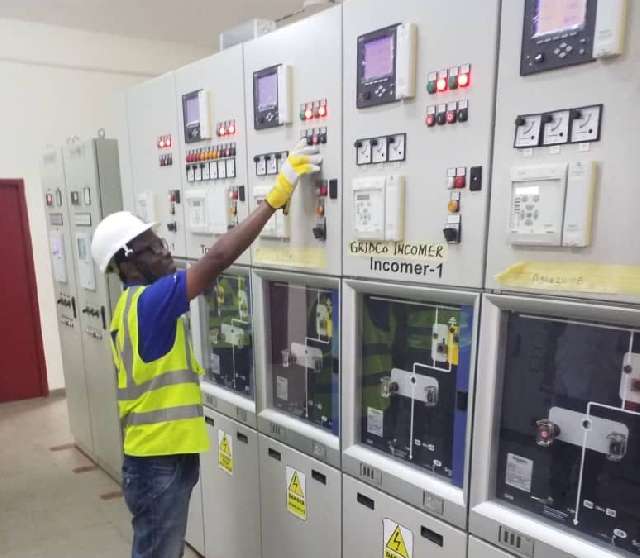
Beyond the recurring gas payments, the ACEP Executive Director disclosed that the Finance Ministry also shoulders about $400 million annually in negotiated outstanding debts owed to IPPs. These payments, he explained, further deepen the sector’s reliance on the national budget.
The financial burden is financed not only through general budgetary allocations but also through levies and margins imposed on liquid fuels. This, he argued, places additional strain on public finances and diverts resources from other priority sectors.
By absorbing these costs, government has effectively prevented a fresh wave of disputes or supply disruptions from IPPs. However, Mr. Boakye cautioned that such interventions do not equate to structural reform.
“We have engines running and recovering investment costs, fuel and profits, but the fuel component is still borne by the finance minister,” Mr. Boakye noted, underscoring the imbalance within the value chain.
Mr. Boakye emphasised that the current calm among IPPs should not be mistaken for long-term sustainability. In his view, the system is surviving largely because sector ministers have made a deliberate effort to keep cash flowing.
He warned that this stability may prove fragile if leadership priorities shift.
“If those individuals are no longer there and another person decides to prioritise roads, schools or other investments, we will return to the same crisis where gas suppliers are unpaid and costs begin to accumulate.”
Ben Boakye, Executive Director of ACEP
His remarks suggest that the sector’s viability is closely tied to discretionary decisions by policymakers rather than being anchored in self-sustaining financial mechanisms.
A System Dependent on State Intervention
At the heart of Mr. Boakye’s argument is the assertion that Ghana’s energy sector remains structurally weak because it depends on direct state payments rather than operating as a commercially viable business.
In a fully functional system, electricity tariffs would reflect the true cost of production, including fuel, generation, transmission and distribution expenses. Revenue collected from consumers would then be sufficient to meet these obligations without heavy reliance on the central government.
However, the current model, he implied, relies on fiscal injections to prevent the re-emergence of circular debt, a cycle in which unpaid obligations cascade through the energy value chain.
The discussion formed part of broader debates about the government’s energy sector reset agenda. While reforms are being pursued to improve governance and renegotiate legacy contracts, Mr. Boakye’s comments highlight the risk that unresolved structural weaknesses could undermine these efforts.
If gas suppliers and IPPs are not paid through internally generated sector revenues, the financial gaps will continue to reappear whenever fiscal space tightens. Such a scenario could recreate the very crisis policymakers seek to avoid.
For ACEP, the solution lies in transforming the sector into a self-sustaining enterprise, supported by cost-reflective tariffs, improved efficiency and disciplined financial management.
Path to Durable Reform

As Ghana continues to navigate its energy sector reset, Mr. Boakye’s warning adds a sobering dimension to the conversation. The absence of protests from IPPs may signal temporary relief, but it does not necessarily indicate structural strength.
Until the sector can finance its core operations without depending heavily on discretionary payments from the Finance Ministry, Ghana energy sector structural fragility will remain a pressing concern.
Sustainable reform, he implied, requires more than fiscal intervention, it demands a fundamental restructuring of how the sector generates, collects and distributes revenue across the value chain.
READ ALSO: Press Freedom, Digital Rights at Risk Despite Positive Signals – CDD-Ghana