
Ghana’s fuel security faces increasing pressure as geopolitical tensions in the Middle East disrupt global oil markets, prompting the Africa Sustainable Energy Centre (ASEC) to call for urgent policy action from the government.
In a policy brief addressing the ongoing conflict involving the United States, Israel, and Iran, the energy policy think tank warned that the situation could significantly affect Ghana’s fuel supply stability and economic resilience.
According to ASEC, the conflict has already created turbulence in global energy markets, with oil supply disruptions and rising prices posing a major risk to oil-importing countries like Ghana.
“Energy security is about supply, affordability and resilience—and right now, all three are under threat,” said Justice Ohene-Akoto, Executive Director of ASEC.
The organisation believes the crisis should serve as a wake-up call for Ghana to address longstanding structural weaknesses in its energy sector.
“The Africa Sustainable Energy Centre (ASEC) urges the Government of Ghana to treat this moment as a defining opportunity to address deep structural vulnerabilities in the country’s energy sector.”
Africa Sustainable Energy Centre (ASEC)
Global Oil Supply Under Pressure
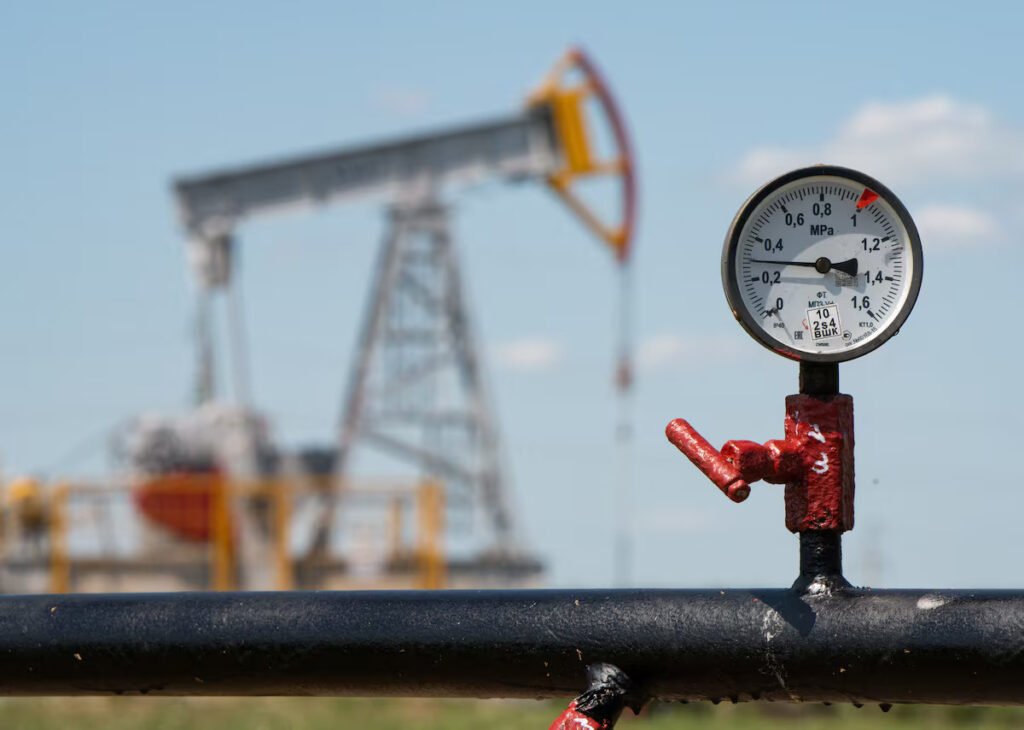
ASEC explained that the current geopolitical crisis has far-reaching consequences because of the central role the Middle East plays in global energy supply.
Iran, a key member of the Organization of the Petroleum Exporting Countries (OPEC), contributes significantly to global oil production. Any disruption involving the country immediately introduces uncertainty into the market and pushes crude prices upward.
The think tank also pointed to growing risks around the Strait of Hormuz, a narrow shipping corridor through which a substantial portion of the world’s oil supply passes.
Threats to the security of this route could disrupt global petroleum trade and increase transportation and insurance costs for oil-importing countries.
Because the Middle East accounts for a large share of global oil production, instability in the region tends to send shockwaves across international markets.
For Ghana, which relies heavily on imported refined petroleum products, such disruptions could translate into higher fuel prices, inflationary pressures, and increased cost of living for households and businesses.
Oil Prices Could Hit $120 Per Barrel
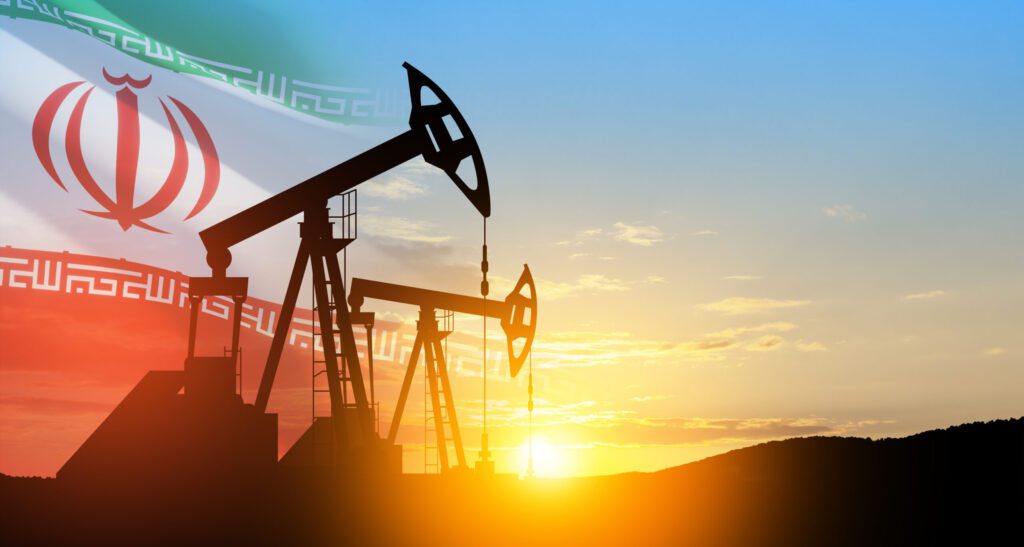
ASEC warned that if the conflict persists, global oil prices could climb to around $120 per barrel.
Such a price spike would significantly increase Ghana’s fuel import bill and place additional strain on the country’s fiscal position.
Rising fuel costs would likely cascade through the broader economy, increasing transportation costs, pushing up consumer prices, and raising production costs for industries that rely heavily on petroleum products.
Manufacturing companies, many of which depend on heavy fuel oil and natural gas, could face operational disruptions or reduced output if supply shortages emerge.
ASEC noted that attacks on energy infrastructure have historically been one of the most effective ways to destabilize economies.
The think tank therefore emphasized that energy security must be treated as a matter of national security.
The current crisis has exposed several vulnerabilities within Ghana’s energy system that require urgent policy attention.
ASEC said Ghana’s heavy reliance on imported refined fuels leaves the country vulnerable to external supply disruptions.
Another major weakness is the absence of a comprehensive national emergency energy response framework capable of managing supply shocks during geopolitical crises.
The think tank also highlighted Ghana’s limited strategic petroleum reserves, which could prove insufficient if global supply chains are disrupted for an extended period.
ASEC added that the country’s energy mix remains dominated by fossil fuels, with limited diversification into renewable sources such as solar and wind.
Furthermore, the organisation expressed concern that existing contractual agreements with international oil companies may not adequately protect Ghana’s interests during market volatility or extraordinary events such as war.
Immediate Measures to Protect Consumers
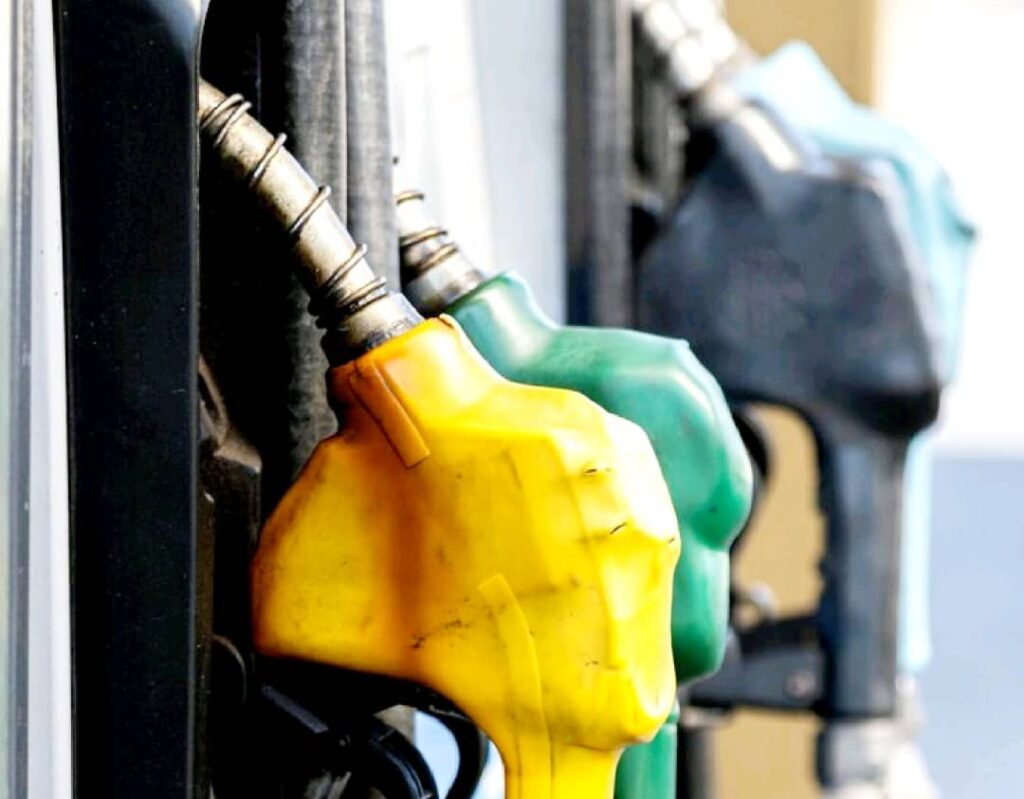
ASEC has urged the government to implement short-term interventions to cushion consumers against rising fuel prices.
One proposal is to deploy revenue from the existing one-cedi fuel levy to support vulnerable households affected by increasing fuel costs.
According to the think tank, this approach could stabilize consumer demand while protecting low-income households without introducing new fiscal policies.
ASEC also recommended that Ghana initiate diplomatic engagements with African oil-producing nations to secure alternative supply arrangements.
Countries such as Nigeria, Republic of the Congo, and Algeria could potentially offer supply partnerships that reduce Ghana’s dependence on Middle Eastern imports.
Strengthening intra-African energy trade, the think tank argued, would improve supply resilience during global crises.
Strengthening Energy Infrastructure
In the medium term, ASEC believes Ghana must expand its petroleum storage capacity and build larger strategic reserves.
Many advanced economies maintain emergency reserves capable of sustaining their economies for several months during supply disruptions.
ASEC said Ghana should adopt a similar strategy to reduce its exposure to sudden global supply shocks.
The think tank also recommended reviewing existing agreements with international oil companies to secure more favorable royalty structures and revenue-sharing arrangements.
Incorporating force majeure clauses into supply contracts would further protect Ghana in situations involving extraordinary disruptions such as war or geopolitical crises.
Long-Term Energy Transformation
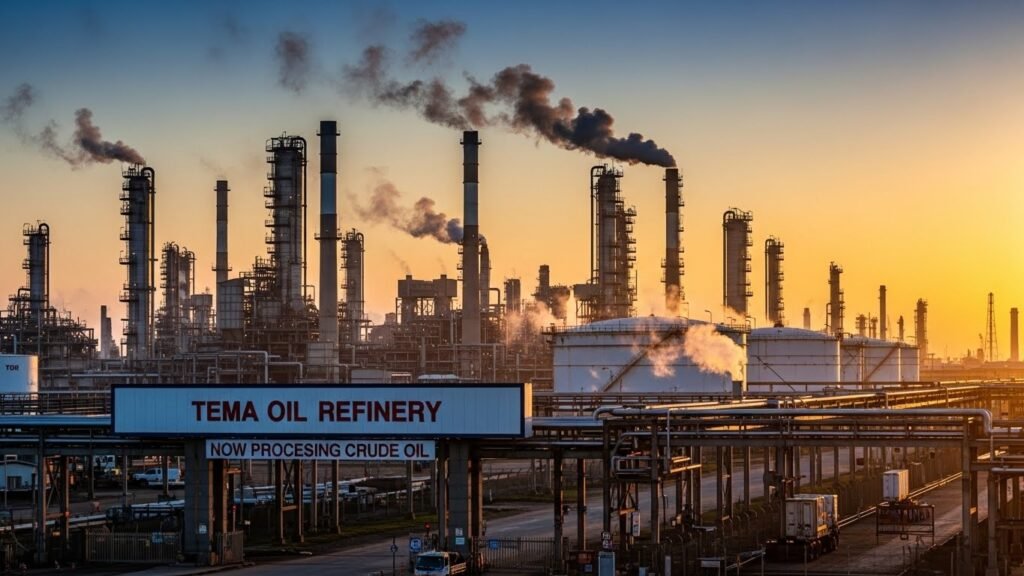
Beyond immediate and medium-term measures, ASEC emphasized the importance of structural reforms that strengthen Ghana’s energy independence.
One key recommendation is the rehabilitation and modernization of the Tema Oil Refinery so that Ghana can refine more of its own crude oil domestically rather than relying heavily on imported refined fuels.
Investing in renewable energy infrastructure is another major priority identified by the think tank.
Expanding solar and wind energy capacity would diversify the national energy mix and reduce Ghana’s vulnerability to global oil price shocks.
ASEC also advocated for a gradual shift toward electric mobility by supporting electric vehicle infrastructure and incentives for cleaner transportation technologies.
However, the organisation cautioned against abandoning hydrocarbons too quickly.
Instead, it recommended a balanced transition strategy that continues to utilize oil and gas while steadily expanding renewable energy sources.
A Defining Moment for Ghana’s Energy Policy
ASEC believes the current geopolitical crisis presents a critical opportunity for Ghana to rethink its energy strategy.
The think tank warned that global conflicts affecting oil supply will continue to occur, making resilience and diversification essential for long-term economic stability.
By combining short-term consumer protection with structural reforms and long-term energy diversification, Ghana could strengthen its energy security and reduce its vulnerability to future crises.
ASEC concluded that decisive policy action today will determine whether Ghana emerges from the current global turmoil with a stronger and more resilient energy system.
The organisation also pledged its readiness to provide technical expertise and policy support as the government works to safeguard Ghana’s energy future.
READ ALSO: MoFA Champions Youth Agribusiness in Rome