
The Narcotics Control Commission (NCC) has announced the official opening of applications for licences in Ghana’s industrial and medicinal cannabis sector, marking a significant step in the country’s efforts to regulate and develop the emerging industry.
The announcement follows the launch of Ghana’s national cannabis licensing regime on February 26, 2026, by the Minister for the Interior, Muntaka Mohammed-Mubarak. The programme introduces a structured regulatory framework aimed at harnessing the economic and medical potential of cannabis while maintaining strict controls over its cultivation and use.
Officials say the initiative represents a strategic shift toward innovation and industrial development in Ghana, while ensuring that public health and safety remain protected.
According to the Commission, the licensing regime is implemented under the provisions of the Narcotics Control Commission Act, 2020 (Act 1019) as amended, along with Legislative Instrument L.I. 2475.

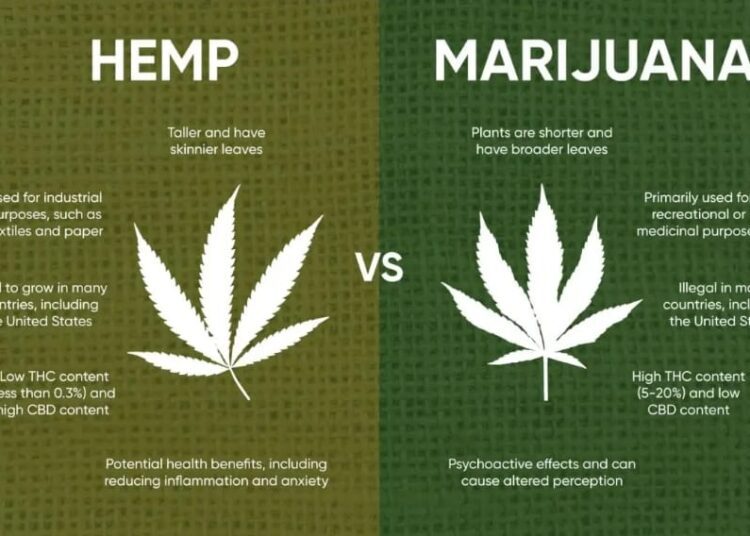
The law permits the cultivation and use of cannabis strictly for industrial and medicinal purposes under regulated conditions. Authorities emphasised that only cannabis with a tetrahydrocannabinol (THC) content of not more than 0.3 percent on a dry weight basis will be permitted under the programme.
This restriction ensures that the licensed cannabis falls within the category commonly known as industrial hemp, which is widely used for fibre production, pharmaceuticals and other industrial applications.
Focus on Industrial and Medicinal Uses
The programme focuses specifically on two major areas of cannabis utilisation. The first is industrial use, which includes the production of fibre, seeds and other raw materials that can be used in manufacturing, textiles and other industries.
The second area is medicinal use, where cannabis derivatives may be used in the development of pharmaceutical and health-related products.
Officials say these sectors offer significant opportunities for innovation, research and economic growth while remaining within the legal regulatory framework established by the government.
Available Licensing Categories
As part of the programme, the Commission has introduced eleven licence categories to regulate various aspects of the cannabis value chain. These licences cover activities including cultivation, processing, breeding and research and development.
Other categories include laboratory testing, storage, transportation, importation and exportation. By creating a wide range of licensing options, authorities say the framework allows businesses and research institutions to participate in different segments of the emerging industry while maintaining proper oversight.
The Commission has invited interested individuals and corporate entities to apply for licences and participate in the regulated cannabis industry.

Officials believe the new framework will attract responsible investment and encourage innovation in sectors such as pharmaceuticals, biotechnology and agriculture.
Industry analysts say Ghana’s entry into the regulated cannabis sector could create new economic opportunities, including job creation, research development and export potential.
The Commission emphasised, however, that strict regulatory standards will apply to ensure compliance with national laws and international obligations.
Digital Application Process Introduced
To simplify the process for applicants, the Commission has introduced a streamlined digital application system. Prospective applicants are required to visit the Commission’s official portal and select their preferred licence category before completing the necessary online forms and submitting supporting documentation.
Applicants must also pay a non-refundable application fee using secure digital payment methods including Visa cards, mobile money services or payment vouchers obtained through local banking channels.
Officials say the digital platform is designed to make the licensing process more accessible while improving transparency and efficiency in regulatory procedures.
Commitment to Transparency and Public Safety
The Commission reaffirmed its commitment to building what it described as a fair, transparent and accountable cannabis industry in Ghana.
Authorities stressed that safeguarding public health and safety remains the Commission’s highest priority, even as the country explores the economic and technological potential of cannabis-based industries.
Officials also noted that strict monitoring and regulatory mechanisms will be implemented to ensure that licensed activities comply with the law. According to the Commission, responsible regulation will be critical to ensuring that Ghana benefits from the industry while preventing misuse or illegal activity.
The launch of the licensing regime signals Ghana’s entry into a growing global industry that is increasingly being regulated for medical and industrial purposes.

Countries around the world are exploring the economic and scientific potential of cannabis derivatives, particularly in pharmaceuticals, agriculture and manufacturing.
For Ghana, the Commission said the goal is to create a carefully regulated sector that supports innovation, attracts investment, and contributes to national development.
Officials say the licensing programme marks the beginning of a new phase in Ghana’s industrial landscape, where emerging sectors can contribute to economic growth while remaining aligned with national laws and public safety priorities.
The Commission encouraged qualified applicants to take advantage of the opportunity and participate responsibly in shaping the future of Ghana’s regulated cannabis industry.
READ ALSO: Jamestown Harbour Inspection Signals Coastal Economic Reset