World Health Organization (WHO) has declared the ongoing Ebola outbreak caused by the Bundibugyo virus in the Democratic Republic of the Congo (DRC) and Uganda a Public Health Emergency of International Concern (PHEIC), warning that the outbreak poses a serious risk of spreading across borders and requires urgent international coordination.
The declaration, made under the International Health Regulations (2005), marks the highest level of global health alert that WHO can issue. However, the UN health agency stated the outbreak does not meet the threshold of a pandemic emergency.
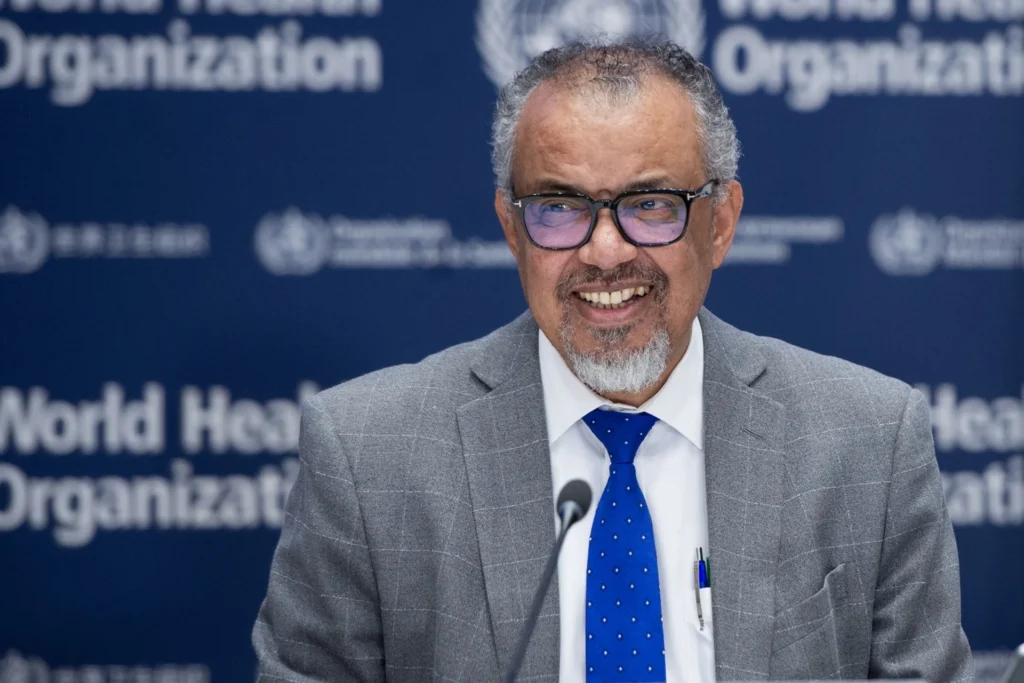
WHO Director-General Dr Tedros Adhanom Ghebreyesus made the determination after consulting authorities in both countries and reviewing scientific evidence and epidemiological data.
This decision comes as health officials struggle to contain a rapidly evolving outbreak that has already spread from eastern Congo to the Ugandan capital, Kampala, and to Kinshasa, the DRC’s densely populated capital.
As of 16 May 2026, health authorities had confirmed eight laboratory-positive cases and recorded 246 suspected infections and 80 suspected deaths in Ituri Province in northeastern DRC. The affected areas include Bunia, Rwampara and Mongbwalu.
Two laboratory-confirmed cases, including one death, were also reported in Kampala within 24 hours of one another. Both individuals had travelled from the Democratic Republic of the Congo but had no known connection to each other, raising concerns about undetected chains of transmission.
A separate confirmed case was reported in Kinshasa involving a traveller returning from Ituri, highlighting the potential for wider national and international spread.
WHO indicated that, the outbreak is extraordinary because the true number of infections is likely much higher than current figures suggest.
The UN health agency also noted that eight of the first 13 samples tested positive, indicating intense transmission.
Clusters of unexplained deaths with symptoms consistent with Bundibugyo virus disease have been reported across several health zones in Ituri and North Kivu. At least four healthcare workers have also died, suggesting significant gaps in infection prevention and raising fears of transmission within hospitals and clinics.
Unlike the Zaire strain of Ebola, there are currently no approved vaccines or targeted treatments for the Bundibugyo virus, making containment efforts more difficult.
WHO said the outbreak is unfolding in a highly challenging environment marked by insecurity, population displacement, humanitarian crises and extensive cross-border movement. Informal healthcare facilities, limited surveillance and weak health infrastructure are further complicating efforts to track and isolate cases.
The declaration is intended to mobilise international support and ensure affected countries receive the technical, logistical and financial assistance needed to contain the outbreak.
WHO Issues Emergency Measures to Prevent Wider Ebola Crisis in Africa
Moreover, the World Health Organization issued a detailed set of emergency measures aimed at preventing the Ebola outbreak in the Democratic Republic of the Congo (DRC) and Uganda from escalating into a broader regional crisis.
For the two affected countries, WHO has called for the immediate activation of national emergency operations centres under direct government leadership to coordinate surveillance, contact tracing, laboratory testing, infection prevention and treatment.
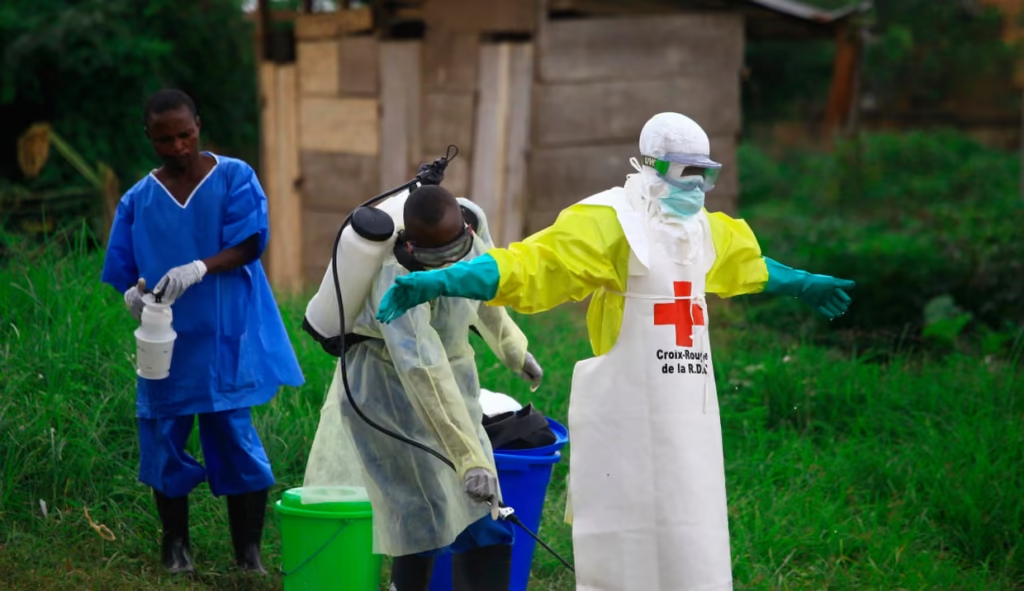
Authorities have also been advised to establish specialised treatment centres near outbreak hotspots and ensure frontline health workers receive adequate training, personal protective equipment and hazard pay.
To reduce transmission, the WHO said confirmed patients should be isolated and treated until they return two negative Bundibugyo virus-specific tests conducted at least 48 hours apart.
WHO is also urging the rapid launch of clinical trials to evaluate experimental vaccines and therapeutics, as there is currently no approved vaccine or proven cure for the Bundibugyo strain of Ebola.
Additionally, WHO indicated that governments should work closely with local leaders, religious authorities and traditional healers to improve case detection, counter misinformation and build public trust. It also recommended that affected countries consider postponing large public gatherings until transmission is interrupted and ensure funerals are conducted safely while respecting local customs.
At border crossings and airports, authorities are advised to conduct exit screening for unexplained fevers. Confirmed cases and their contacts should not travel internationally until they are formally cleared under WHO protocols.
Neighbouring countries that share land borders with the DRC and Uganda have been instructed to strengthen preparedness by enhancing surveillance, expanding laboratory readiness and deploying rapid response teams. Any country that detects a suspected or confirmed case should treat it as a health emergency and move within 24 hours to isolate patients and trace contacts.
For countries outside the affected region, WHO stressed that there is no scientific basis for closing borders or imposing travel and trade restrictions. “Such measures are usually implemented out of fear and have no basis in science,” the UN health agency stated, adding that they can disrupt supply chains and weaken response efforts.
READ ALSO: Salah Demands Liverpool Rediscover “Heavy Metal” Identity Ahead of Exit