Minerals Development Fund (MDF) has issued a strategic call for enhanced multi-stakeholder collaboration to enforce strict compliance and best practices across Ghana’s extractive landscape.
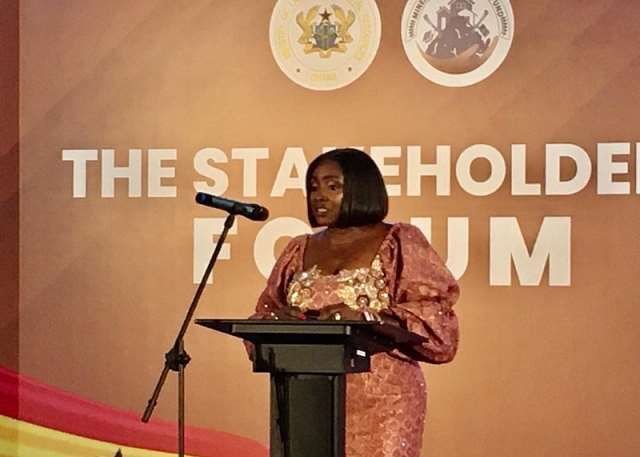
This appeal, spearheaded by the Fund’s Administrator, Dr. Hanna Louisa Bisiw-Kotei, highlights the urgent necessity of aligning regulatory efforts to protect vulnerable mining communities and prevent the recurrence of fatal accidents.
By fostering a unified front among security agencies, regulators, and local leadership, the MDF aims to transform the sector from a source of periodic tragedy into a model of environmental and social accountability.
“As the institution mandated to redress the negative impact of mining in communities and supporting the development and well-being of mining communities, the MDF remains resolute in its commitment to supporting land restoration and covering of abandoned mining pits. We are committed to collaborating with regulatory bodies and security agencies to ensure accountability in line with the Polluter Pays Principle (PPP). This will help promote sustainable mining practices and responsible resource extraction.”
MDF Administrator, Dr. Hanna Louisa Bisiw-Kotei

Minerals Development Fund (MDF) emphasizes that the path to a sustainable mining industry lies in the rigorous application of the “Polluter Pays Principle” (PPP), a governance standard requiring those responsible for land degradation to fund the total cost of reclamation.
The call for collaboration is not merely administrative but a response to the devastating human cost of non-compliance, particularly the recent deaths of thirteen individuals in the Western and Ahafo regions.
Through these partnerships, the Fund intends to intensify community education on environmental stewardship while providing robust “real alternative livelihood programmes” that offer miners a viable exit from high-risk illegal operations.
The Human and Environmental Cost of Negligence

The urgency of the MDF’s plea is underscored by the sobering reality of recent tragedies that have shaken the nation’s conscience.
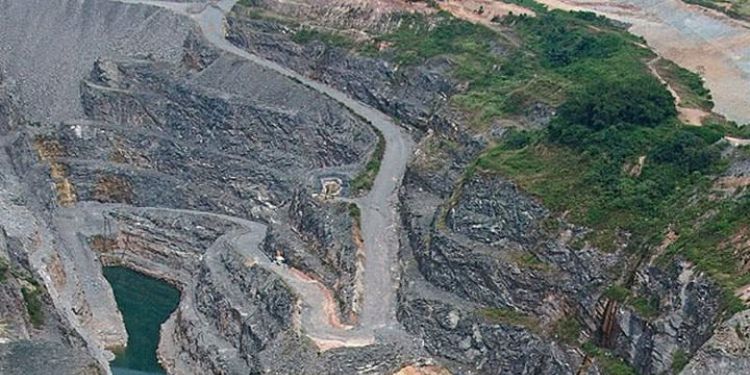
In the Amenfi West Municipality, the community of Wassa Dunkwa is mourning a 42-year-old mother and her three sons who drowned in an “abandoned illegal mining pit” while searching for firewood.
Simultaneously, the Asutifi South District recorded nine fatalities at Atta Ne Atta following a catastrophic pit collapse. These incidents serve as a “heartbreaking” reminder of the dangers posed by unprotected sites.
Dr. Bisiw-Kotei, on behalf of the board, management, and staff, extended her “deepest condolences to the bereaved families,” noting that such losses are often the direct result of a lack of adherence to safety protocols and the failure to reclaim mined-out lands.
Strengthening Industry Accountability via PPP
Central to the MDF’s strategy is the enforcement of the Polluter Pays Principle to ensure that the “costs of reclaiming and restoring lands” are borne by the entities responsible for the damage. By making environmental degradation a financial liability for the operator, the country can move away from the current trend where hazardous pits are left as “death traps” for local residents.
This shift is expected to benefit the mining industry by leveling the playing field, ensuring that responsible, large-scale operators are not disadvantaged by unscrupulous actors who bypass environmental costs.
Furthermore, the systematic restoration of land preserves Ghana’s natural capital, ensuring that once mineral resources are exhausted, the land remains productive for agriculture and other vital economic activities.
Toward Sustainable Livelihoods and Sector Stability

The MDF’s collaborative framework is designed to go beyond mere enforcement by addressing the root causes of illegal mining. By “expanding real alternative livelihood programmes,” the
The Fund is actively working to reduce the economic reliance on “galamsey” that often drives individuals into life-threatening situations. These initiatives, ranging from oil palm cultivation to technical vocational training, provide a safety net for mining communities, fostering social stability and local economic resilience.
Ultimately, a well-regulated sector, supported by informed “community education on mining safety,” will enhance Ghana’s reputation as a premier destination for responsible mining investment. This comprehensive approach ensures that the “well-being of mining communities” remains the primary metric of success for the nation’s extractive sector.
READ ALSO: Health Ministry Suspends Nkanchina Nursing Principal Over Alleged Policy Violations