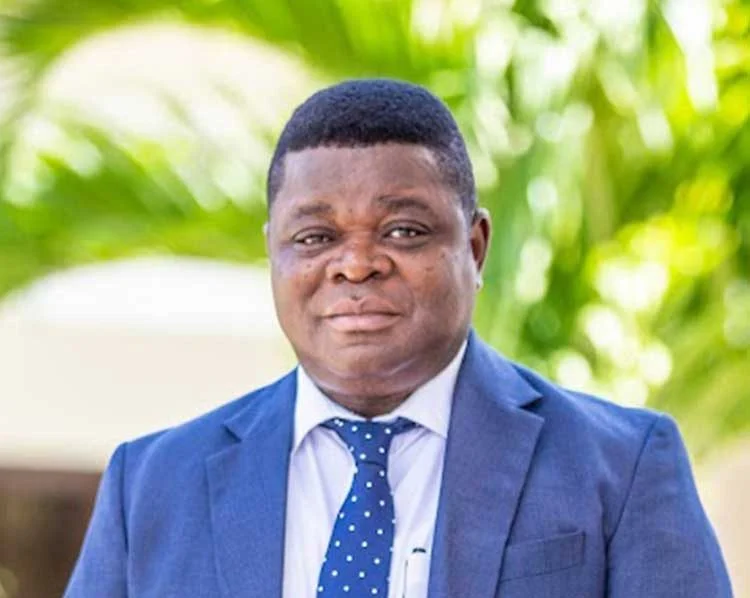
Economist Professor Peter Quartey has urged the Bank of Ghana (BoG) to maintain its current Monetary Policy Rate, cautioning that rising geopolitical tensions in the Middle East could introduce fresh economic uncertainties.
His appeal comes as the central bank prepares for its 129th Regular Monetary Policy Committee (MPC) meeting scheduled to take place from March 16 to March 18, 2026.
The meeting is expected to review recent developments in Ghana’s economy and determine whether the policy rate should be adjusted. However, Professor Quartey believes the Bank of Ghana should adopt a cautious stance and avoid any immediate change to the rate.
Speaking to journalists on the sidelines of a public lecture marking the 70th anniversary celebration of Wesley Grammar School, the renowned economist warned that global geopolitical developments could quickly affect economic stability, particularly through energy markets.
Middle East Tensions Raise Global Economic Concerns
Professor Quartey explained that the escalating conflict involving the United States, Israel, and Iran has heightened uncertainty in global markets. According to him, the tensions have already begun affecting crude oil prices and shipping routes, developments that could have ripple effects on economies around the world, including Ghana.
“I think they will be minded by what is happening in the Gulf. So they will be a bit cautious. It is too early for them to reduce or increase their rates. I think it is better that they maintain their rates now and look at what happens in the immediate future.”
Professor Peter Quartey
The ongoing geopolitical crisis has disrupted shipping activity around the Strait of Hormuz, one of the world’s most critical oil transit routes. A significant portion of global oil supply passes through this strategic waterway. Any instability in the region often results in sharp fluctuations in oil prices.
Analysts say the renewed volatility in oil markets has already pushed crude prices higher in recent days. Such increases could translate into higher fuel prices in import dependent economies like Ghana.
Inflation Improves but Risks Remain
Professor Quartey’s recommendation comes at a time when Ghana’s macroeconomic indicators have shown signs of improvement. Inflation has eased significantly, falling to 3.3 percent in the latest data. This decline has raised expectations among some analysts that the Bank of Ghana could consider reducing the policy rate to support economic growth.
Despite the improving inflation outlook, Professor Quartey believes the central bank must avoid making premature decisions. He stressed that external shocks such as rising oil prices could reverse the progress achieved in stabilising prices.
Maintaining the current policy rate of 15.50 percent, he argued, would allow policymakers more time to observe how global developments unfold before making adjustments.
Economic analysts have also warned that any spike in global oil prices could increase production and transportation costs across several sectors of Ghana’s economy. This could in turn place upward pressure on inflation, undermining recent gains.
Fuel Price Pressures Loom
The potential impact of the Middle East tensions is already raising concerns in Ghana’s downstream petroleum sector. Industry watchers have projected that fuel prices could rise during the second pricing window of March, which begins on March 16.
Higher fuel costs often have a cascading effect on the broader economy. Transportation costs increase, food prices may rise, and businesses face higher operational expenses. These pressures could complicate the Bank of Ghana’s efforts to maintain price stability.
For this reason, Professor Quartey believes the Monetary Policy Committee should prioritise caution in its upcoming deliberations. Holding the policy rate steady would help the central bank maintain stability while monitoring global developments.

Balancing Growth and Stability
The Bank of Ghana faces the delicate task of balancing economic growth with price stability. Lower interest rates can stimulate borrowing and investment, but they may also weaken efforts to control inflation if external shocks occur.
Professor Quartey noted that central banks across the world are currently navigating similar challenges as geopolitical tensions continue to influence global markets.
He emphasised that Ghana’s policymakers should remain vigilant and avoid actions that could expose the economy to unnecessary risks.
By maintaining the policy rate at its current level, the Bank of Ghana would signal a commitment to stability while keeping its policy options open for future adjustments.
MPC Decision Highly Anticipated
The outcome of the upcoming Monetary Policy Committee meeting is expected to attract strong interest from investors, businesses, and financial markets. The policy rate serves as a benchmark for interest rates across the banking sector and influences borrowing costs for businesses and households.
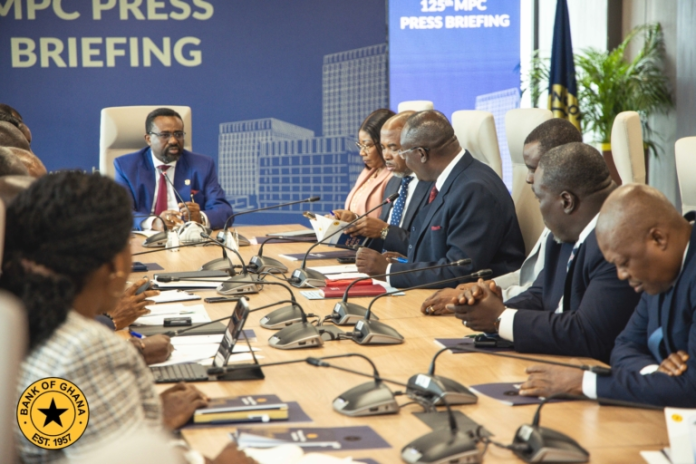
With global uncertainties intensifying, many observers believe the central bank may adopt a cautious approach similar to the one recommended by Professor Quartey.
As the MPC begins its deliberations next week, the decision it takes will play a crucial role in shaping Ghana’s economic outlook in the months ahead.