Namrata Thapar, the Global Head of Metals and Mining at the International Finance Corporation (IFC), has identified Africa’s vast mineral wealth as the indispensable engine driving the global shift toward renewable energy.
Unlocking these resources, however, requires a paradigm shift toward sustainable project development, robust governance, and meaningful economic impact for host nations.
As the world pivots toward a low-carbon future, the continent’s role has transformed from a mere supplier of raw materials to a strategic partner at the heart of the international energy supply chain.
“Africa is not peripheral; it is essential to the global energy transition. Profitability and strong ESG practices go hand in hand, and addressing social and environmental risks early protects both project economics and operational continuity.”
Namrata Thapar
Building on this momentum, the IFC emphasizes that Africa remains a premier destination for mining investment, yet capital is becoming increasingly selective. Investors are now prioritizing projects that demonstrate high-tier Environmental, Social, and Governance (ESG) performance alongside tangible development benefits.
Thapar maintained that profitability and ethical practices are no longer mutually exclusive but are deeply integrated, noting that proactive risk mitigation protects both project economics and operational continuity.
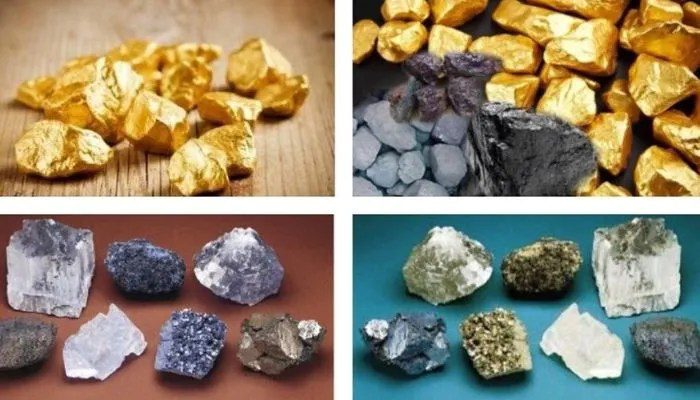
With the continent holding questionable 30% of the world’s mineral reserves including copper, cobalt, nickel, and lithium Africa is essentially the backbone of the electric vehicle and battery industries.
Unlocking Local Value and Industrial Beneficiation

To truly benefit from this mineral windfall, African nations must transition from the traditional extractive model toward local value creation and downstream industrialization.
According to Thapar, the real wealth of the energy transition lies in “local beneficiation,” which involves processing raw minerals into intermediate or finished products within the continent.
By establishing domestic refineries for lithium and copper, African countries can capture a significantly higher percentage of the value chain, moving beyond the “irony of local content that is still imported.”
Beyond direct mineral processing, the development of “shared infrastructure” around mining sites offers a powerful multiplier effect.
When mining projects anchor the construction of power plants, water systems, and rail lines, these assets serve the broader economy long after the mine’s lifespan.
This approach creates a “life beyond mining” by fostering domestic supply chains for consumables such as chemicals and safety apparel which currently drain billions in foreign exchange through imports.
Thapar advocated for “strengthening domestic supply chains and skills development” to ensure that mineral wealth drives lasting economic diversification rather than ephemeral export revenues.
Strengthening Governance and Policy Stability

Despite the continent’s geological brilliance, the IFC warns that “investor confidence depends on stable regulatory frameworks and predictable policy environments.”
For capital to flow consistently, governments must maintain transparent policies that balance the need for fair resource value with the necessity of remaining competitive.
High royalty rates or frequent changes in mining rights can deter the long-term private capital required for large-scale projects.
Thapar emphasizes that regulatory certainty is the “bedrock of sustainable investment,” allowing for the de-risking of projects that are often located in complex or secluded jurisdictions.
Furthermore, the rise of “impact investing” signifies a global shift where institutional investors seek measurable social outcomes alongside commercial returns.
This trend aligns with the need for “partnerships to unlock capital,” utilizing blended finance structures that involve development finance institutions and commercial banks.
By aligning national mining visions with international ESG standards, African states can ensure that their “green minerals” attract the specific type of responsible investment that fosters regional cooperation and reduces the carbon footprint of the mining operations themselves.
Decarbonization and the Future of African Extraction
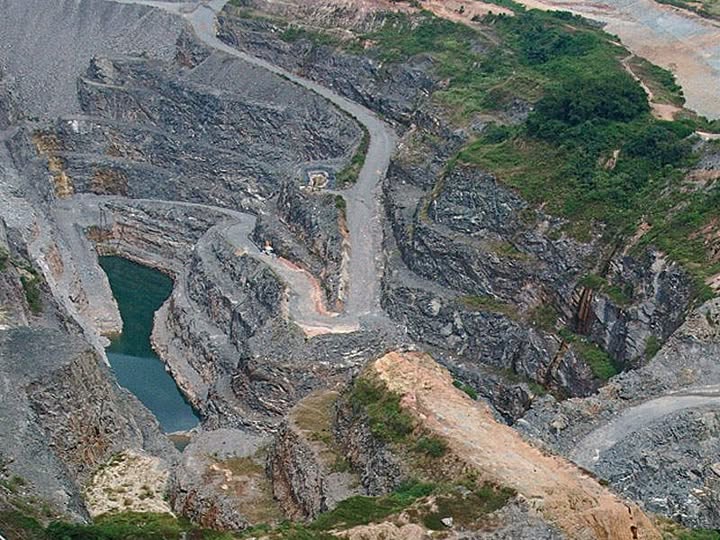
The final frontier for African mining involves the “decarbonization of mining operations,” particularly for the very metals intended to save the planet.
Thapar highlights that the IFC is actively supporting initiatives to lower emissions in copper and nickel sectors, ensuring that the extraction process does not contradict the clean energy goals of the end products.
By integrating renewable energy sources and modern technologies into mine sites and improving operational efficiency, the sector can minimize its environmental footprint while maximizing its social license to operate.
As the global demand for lithium is projected to grow fivefold by 2040, the window of opportunity for Africa is wide but requires immediate action.
Through a combination of “collaborative financing models” and a focus on “high-fidelity development impact,” the continent can ensure its mineral wealth serves as a catalyst for a sustainable, industrialized, and inclusive future.
The shift toward “responsible investment as a subset of the overall investment pie” means that the projects that survive and thrive will be those that put the people and the environment of Africa at the center of the global energy map.
READ ALSO: Italy Deems Diplomacy As Solution To Strait of Hormuz Crisis