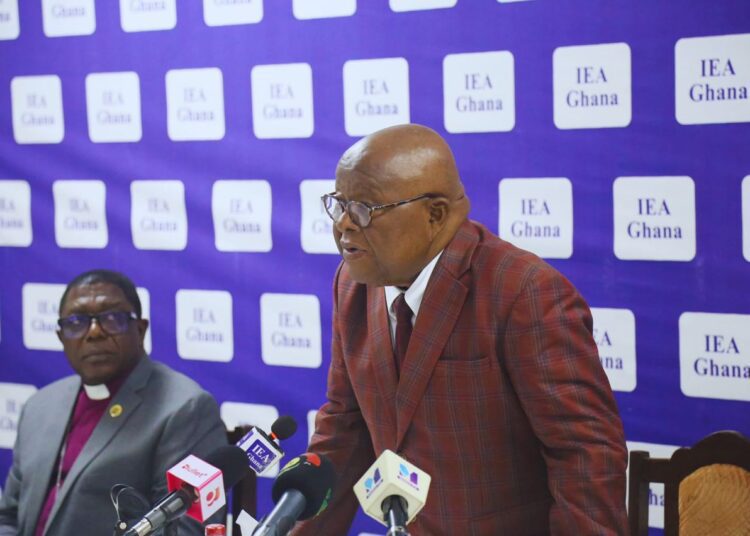
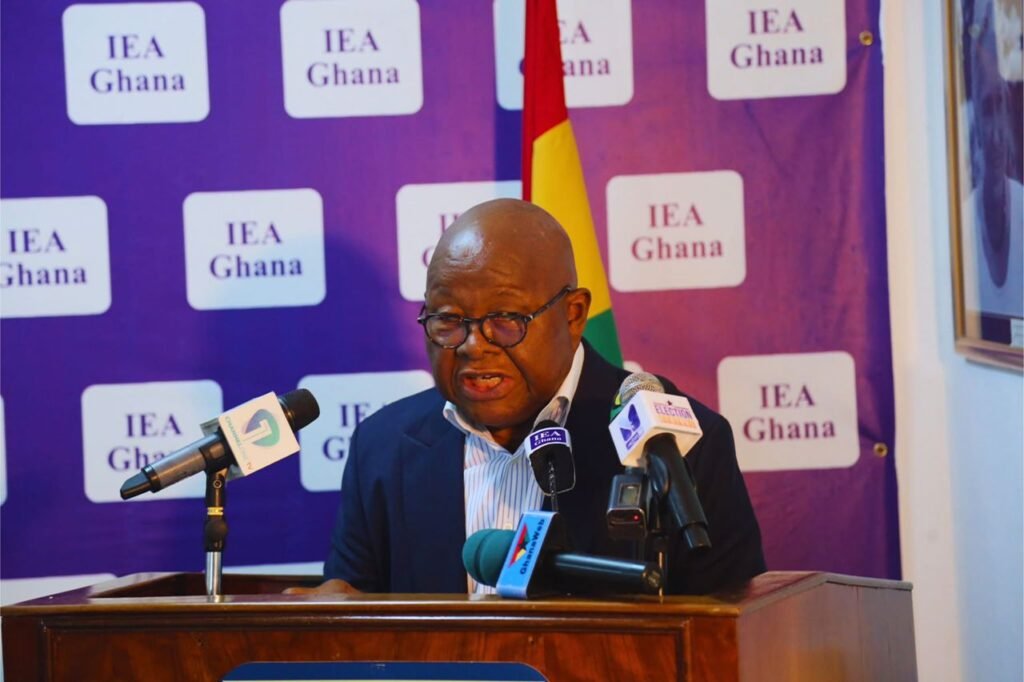
Professor Aaron Mike Oquaye, a Distinguished Fellow of the Institute of Economic Affairs (IEA) and former Speaker of Parliament, has proposed an urgent national dialogue to overhaul Ghana’s “colonial” mineral resource regime. Prof. Oquaye believes ‘national conference‘ would offer the country a platform to proffer ideas towards putting an end to the persistent minerals sector loopholes.
Speaking to The Vaultz News, the statesman argued that Ghana remains dangerously trapped on the “periphery” of the global economy as a mere producer of raw materials while industrialized nations at the “centre” reap the true value through manufacturing.
He emphasized that this paradigm shift is no longer a matter of partisan politics but a fundamental requirement for national survival, especially as the country continues to grapple with its 17th International Monetary Fund (IMF) bailout.
“So it’s not a yesterday matter, nor is it a party matter. In fact, we better make this a non-partisan matter. And I respectfully call for a national conference on Ghana’s mineral resources.”
Professor Aaron Mike Oquaye
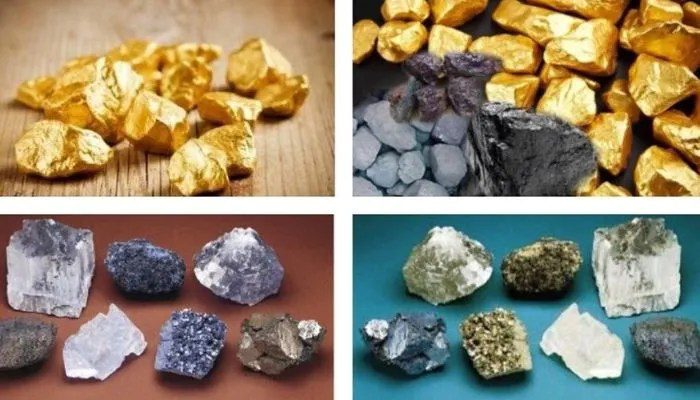
Expanding on his call for a non-partisan dialogue, Prof. Oquaye warned that Ghana cannot continue to “give away” its natural resources while failing to meet basic budgetary needs for essential services like mental healthcare and free education.
He noted that the discrepancy in development between nations like South Africa and Ghana lies primarily in the level of “ownership” of mineral wealth, citing Johannesburg’s success as a direct result of indigenous control over resources.
With many major mining agreements and leases for gold, oil, and new-age minerals like lithium currently due for renewal, he maintained that the proposed national conference must serve as the platform to transition from the current royalty-based system to a more lucrative service contract model.
Ending the “Periphery” Trap through State Ownership
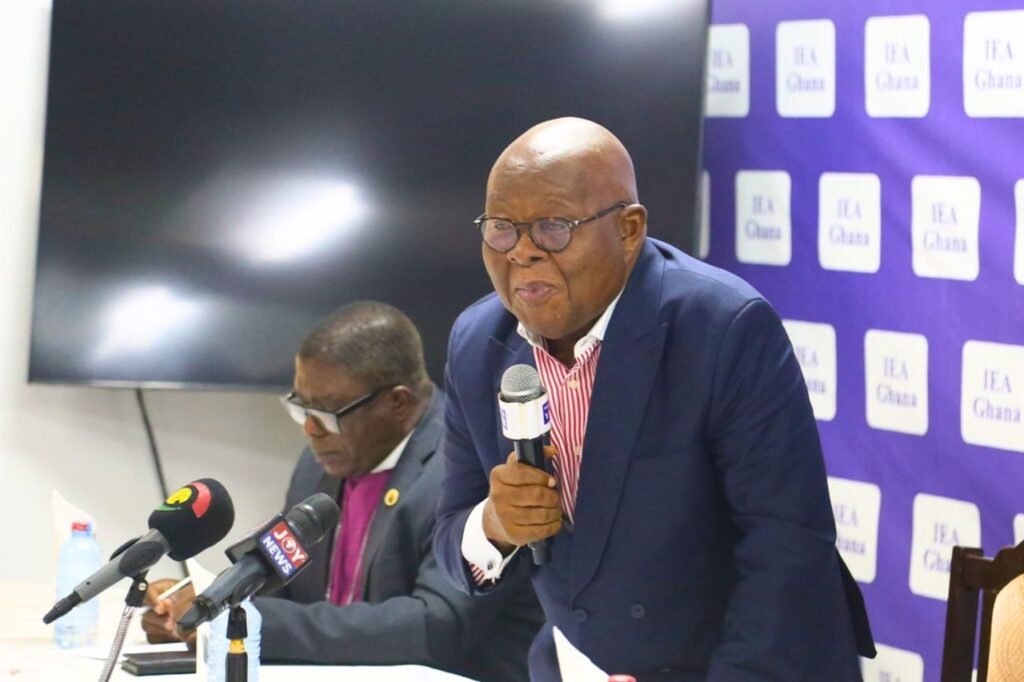
The central thrust of Prof. Oquaye’s argument is that Ghana’s persistent economic instability is a direct consequence of a lopsided global economic structure where the country occupies the unenviable position of a “miserable” raw material exporter.
By shifting to a service contract model similar to the frameworks used in the petroleum sectors of several OPEC nations, the Ghanaian state would retain 100% ownership of the minerals in the ground.
Under this “paradigm change,” private mining companies would be hired as technical contractors rather than being granted expansive concessions.
This move would ensure that the state captures the “quintessence of the economy” the surplus value that currently leaves the country under the “liberal regime” of small-percentage royalties.
Addressing the IMF Cycle and Fiscal Sovereignty

Prof. Oquaye’s call for a national conference is deeply rooted in, the dilemma of the 17th IMF programme.
He pointed out that the extension of the current IMF business is a symptom of a deeper structural disease: the inability of the national budget to be self-sustaining.
“We don’t go to the IMF 17 times for nothing,” he remarked, suggesting that the “good things of this world” like infrastructure and education will remain out of reach until the mineral regime is completely overhauled.
By asserting ownership, Ghana could leverage its minerals as collateral for development and ensure that the “news makers” of the economy are the citizens themselves, rather than foreign shareholders who benefit from colonial-era royalty rates.
Strategic Renewal of Agreements and Future Minerals
The timing of this proposed conference is critical, as a “wave of renewals” for existing mining leases is on the horizon. Prof. Oquaye stressed that new minerals such as the Ewoyaa lithium deposits must not be signed away under the same “troubling” terms that governed gold and manganese for decades.
A national conference would provide the “timely education” needed to prevent the country from being “caught in a time warp.”
By adopting a bipartisan approach, the IEA Fellow believes Ghana can finally align its legislative framework with the goal of “industrial transformation,” ensuring that the next generation of miners and researchers are owners of the wealth they extract, rather than just laborers on the outskirts of global prosperity.
READ ALSO: Clean Water, Healthy Fish: Eastern Region Sets Standard