World Health Organization has launched an extensive suite of Research and Development (R&D) roadmaps designed to speed up the availability of diagnostics, treatments, and vaccines in anticipation of future pandemics, reinforcing preparedness efforts across Africa, the UK, and the wider world.
Developed in partnership with major international stakeholders, the initiative focuses on 10 priority groups of viruses and bacteria, signalling a strategic transition toward anticipating potential threats before they escalate into global health emergencies.
The roadmaps were unveiled at a high-level gathering held alongside the One Health Summit in Lyon, which convened representatives from governments, research institutions, and global health bodies. The event was co-hosted by organizations including ANRS Maladies infectieuses émergentes, the Coalition for Epidemic Preparedness Innovations (CEPI), and the World Health Organization (WHO).
A key subject of the discussions was the implementation of a One Health framework, an integrated approach that recognises the interconnectedness of human, animal, and environmental health, as well as a pathogen family-based strategy to better drive research priorities and budget allocation.
Dr Sylvie Briand, Chief Scientist of WHO disclosed that, the Collaborative Open Research Consortia (CORCs) are turning global scientific collaboration for pandemics into a more durable decentralized and inclusive R&D preparedness architecture.
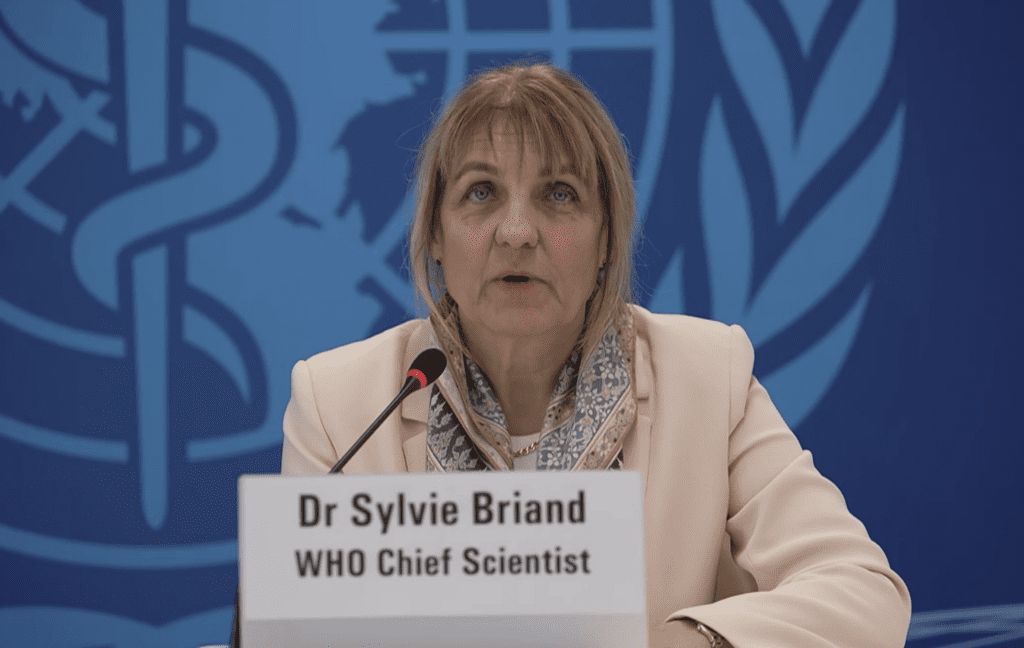
“ By organizing efforts around pathogen families and embedding One Health, we can better anticipate risks and accelerate the R&D of countermeasures before the next crisis. WHO thanks the CORC leads for their invaluable scientific leadership and for coordinating the development of the Family R&D Roadmaps that we are launching today.”
Dr Sylvie Briand
The initiative builds on the expanding influence of the Collaborative Open Research Consortia (CORCs), a globally connected network that brings together scientific communities to address priority pathogen families and key bacterial threats. By moving away from a narrow pathogen-specific model toward a broader, family-based framework, CORCs aim to fill critical knowledge gaps and streamline the development of medical countermeasures.
Moreover, CORCs serve as the principal mechanism for implementing the R&D roadmaps, offering a structured approach to addressing scientific gaps across disciplines and regions. Their governance model, which emphasizes openness, equity, and broad representation, is often cited as a blueprint for more transparent and inclusive global research systems.
This approach holds particular relevance for regions such as Africa, where emerging infectious diseases frequently intersect with complex environmental and socio-economic conditions, necessitating flexible and inclusive research frameworks.
Stakeholders also stressed the importance of translating the newly released family R&D roadmaps into actionable programmes that can accelerate responses to emerging threats, while supporting ambitious targets such as the development of safe and effective vaccines within 100 days.
The Coalition for Epidemic Preparedness Innovations is advancing this goal as part of its broader strategy to reduce the impact and cost of epidemics, while seeking significant funding to support its 2027–2031 roadmap toward operationalizing rapid vaccine development.
According to Dr Richard Hatchett, Chief Executive Officer at CEPI, “we don’t know what the next pandemic threat will be, or when it will strike.” That’s why focusing on entire pathogen families can help us stay ahead of both known risks and emerging threats,” he added.

“That concept is at the heart of CEPI’s work, which aligns with and supports the World Health Organization CORCs. CEPI actively feeds into the CORC’s roadmaps to advance collaboration and target the viral families most likely to spark a pandemic, turning R&D priorities into real-world plans that stop outbreaks early.”
Dr Richard Hatchett
Participants at the summit concluded by calling for sustained political will, long-term financing, and strengthened international cooperation to ensure the effective implementation of One Health-informed R&D roadmaps.
Country-Level Research Strengthens Global Defences Against High-Risk Pathogens

The event also showcased work led by ANRS Maladies infectieuses émergentes on the filoviridae family, illustrating how national and regional leadership can reinforce global preparedness.
ANRS Maladies infectieuses émergentes is a french national agency dedicated to research on HIV, viral hepatitis, sexually transmitted infections and emerging infectious diseases.
According to Professor Yazdan Yazdanpanah, Director of ANRS Maladies infectieuses émergentes, France is committed to advancing pandemic preparedness through science, solidarity and long-term partnership.
“Work on entire pathogen families that global institutions are leading, among which the filoviridae roadmap coordinated by ANRS MIE, shows how national efforts can contribute to stronger international capacity to detect threats earlier and prepare more effectively.”Coalition for Epidemic Preparedness Innovations,
Professor Yazdan Yazdanpanah
As global health systems evolve, the emphasis remains on proactive, science-driven strategies aimed at reducing risks before they develop into large-scale public health crises.
READ ALSO : Mahama Demands Well-Coordinated Global Action on Public Health