The lifecycle of foreign and domestic investment in Ghana is often viewed through the narrow lens of the initial handshake – the high-profile signing ceremonies and the promise of incoming capital. However, the true test of a nation’s investment climate occurs long after the cameras have left.
In the aquaculture heartland of Akuse, the Ghana Investment Promotion Centre (GIPC) is proving that the survival of the industrial sector depends on what happens during the “Aftercare” phase.
A recent high-level mission to Maleka Farms Ltd. by the GIPC’s Aftercare and Investor Grievance Division highlighted a strategic shift toward protecting existing assets and ensuring that the pioneers of Ghana’s agribusiness sector do not just arrive, but thrive.
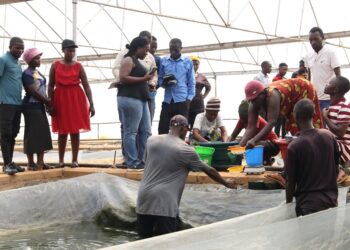
“GIPC undertook the site visit to engage with management and gain deeper insight into the farm’s operations. The engagement forms part of the Centre’s ongoing aftercare efforts to support existing investors and promote business expansion in Ghana’s aquaculture and agribusiness sectors”
Ghana Investment Promotion Centre
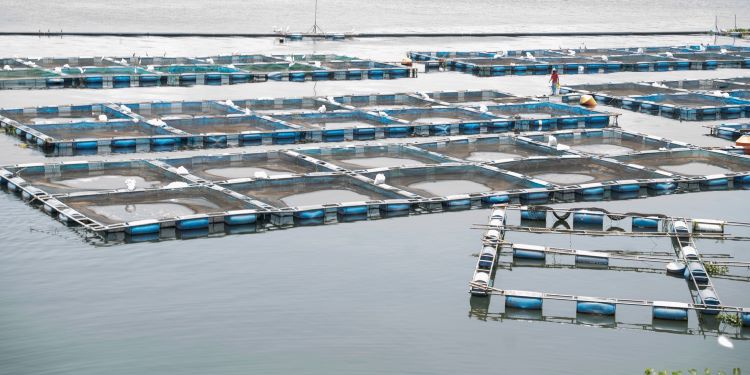
Situated strategically along the banks of the Volta River, Maleka Farms has emerged as a cornerstone of the nation’s premium tilapia production. The facility represents the mechanical intersection of natural resource utilization and modern industrial scaling.
For the GIPC, the visit to Akuse was a functional exercise in monitoring the health of a critical investment, engaging directly with the management of Maleka Farms as a move beyond passive regulation and into active partnership. The centre identified the operational frictions that could otherwise hinder expansion in the aquaculture and piggery sectors.

The existence of a dedicated Investor Grievance Division is a sophisticated administrative response to the realities of doing business in a developing economy. Investments in aquaculture are uniquely sensitive; they are tied to water rights, environmental regulations, and the consistency of cold-chain logistics.
When an investor like Maleka Farms faces a “grievance” – whether it involves regulatory bottlenecks, infrastructure gaps, or land-use disputes – the GIPC acts as the sovereign mediator. The centre noted that this aftercare mandate is essential for preventing capital flight.
In the global competition for agribusiness investment, the ability of a state to resolve operational issues for existing firms is often more persuasive than the tax incentives offered to new ones.
The GIPC conducted a stress test on the investment environment during the visit to the Akuse site, gathering the data necessary to refine policy. The goal is to ensure that the legal frameworks governing the Volta River’s resources support, rather than stifle, industrial expansion.
A Strategic Asset
Maleka Farms’ location is not a matter of aesthetic preference; it is a functional necessity, as the Volta River provides the consistent, high-quality water flow required for premium tilapia production.
However, operating along a major national waterway brings a complex layer of institutional oversight. The GIPC’s role is to ensure that Maleka Farms can navigate the requirements of the Water Resources Commission and environmental agencies while maintaining the high output levels required for profitability.
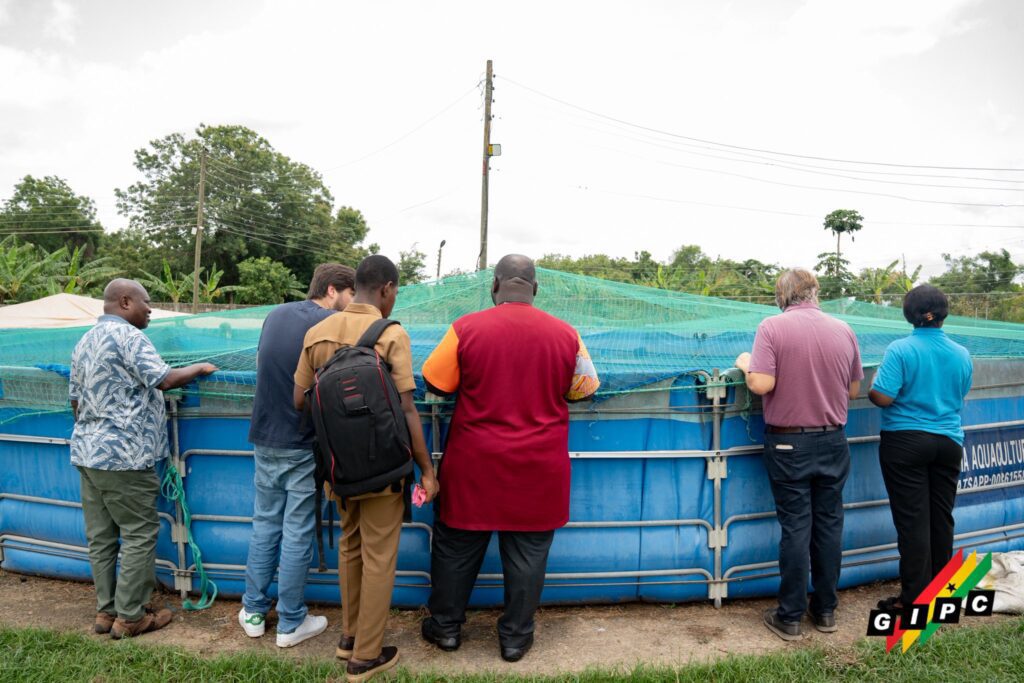
Beyond tilapia, the diversification into piggery operations at Maleka Farms illustrates the move toward a circular agribusiness model. The GIPC observed that in modern farming, piggery and aquaculture can share logistics, security, and even waste-management systems, creating a more resilient business structure.
“Maleka Farms is a leading agribusiness with a strong focus on premium tilapia production, alongside its growing piggery operation,” the GIPC added.
For the Centre, these diversified operations represent a higher retention value. A farm that produces multiple high-value proteins is less vulnerable to market fluctuations in a single commodity, making it a more stable contributor to the national GDP.
According to the team, perhaps the most significant merit of the Maleka Farms investment is its socio-economic ripple effect in Akuse, as large-scale agribusinesses act as anchors for their host communities. They do not merely hire labor; they transform it.
Through skills development and knowledge transfer, the farm is creating a localized workforce that is proficient in modern aquaculture techniques – a skill set that is becoming increasingly valuable as Ghana seeks to reduce its reliance on imported frozen fish.
This human capital development is a primary driver for the GIPC’s aftercare focus. When an investor like Maleka Farms succeeds, the local community gains a technical education that no classroom can provide. These include the dissemination of best practices in bio-security, feed-to-growth ratios, and sustainable harvesting.
These are the building blocks of a professionalized agricultural sector that can eventually compete on the international stage.
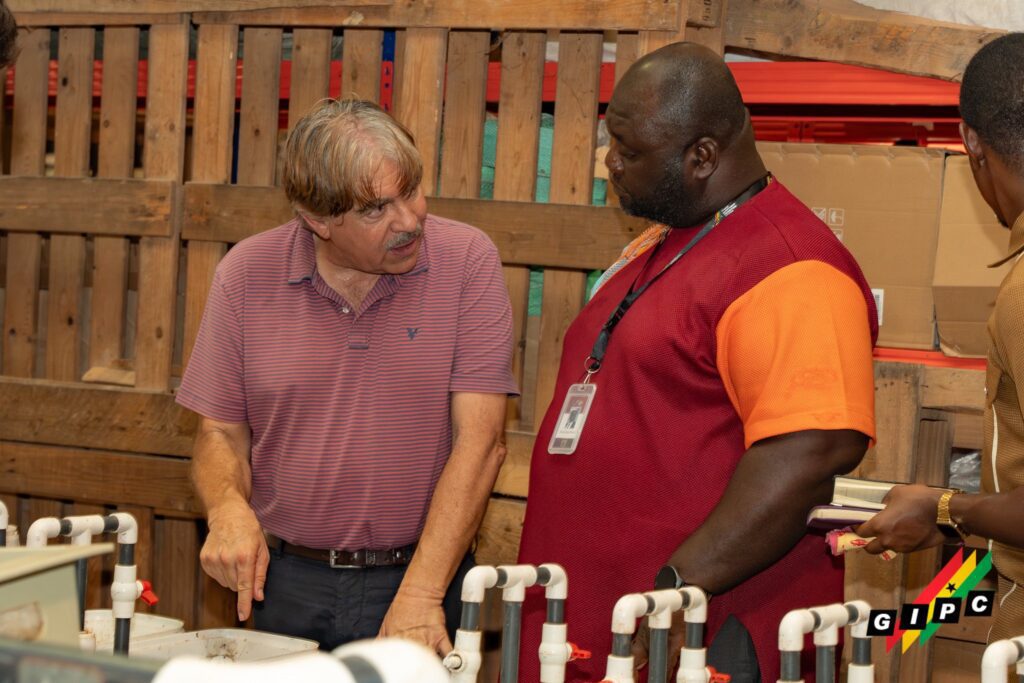
The mission to Akuse is a signal that the GIPC is doubling down on the Blue Economy. Ghana’s aquaculture sector has the potential to become a regional powerhouse, but only if the grievances of current investors are treated as high-priority intelligence for the state.
Every operational hurdle cleared for Maleka Farms is a hurdle cleared for every future investor looking at the Volta River. As the GIPC continues its aftercare tour, the focus remains on expansion.
READ ALSO: NDC’s “Bench” Signals Strong Path To Defeating Bawumia