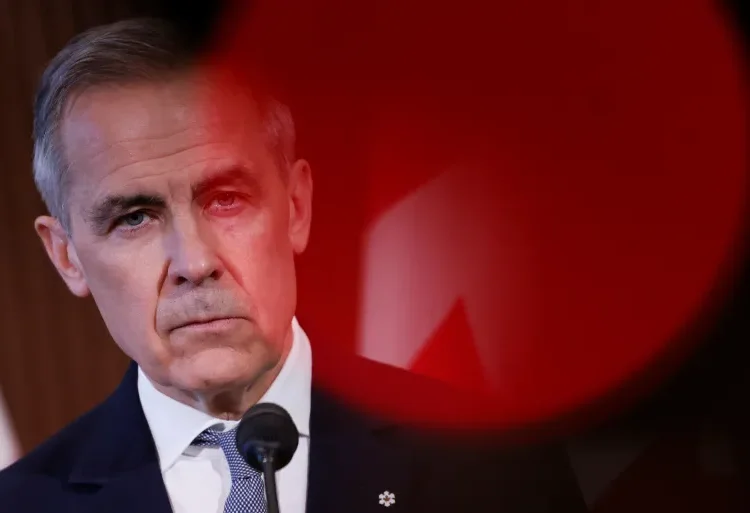
Canada has imposed retaliatory tariffs on about $20 billion worth of American goods, escalating its trade dispute with the United States after the Trump administration introduced new 50% tariffs on Canadian products following the collapse of negotiations between the two countries.
The new Canadian measures, announced today, target more than 700 American products and will take effect on September 8. They include tariffs of 15%, 25% and 50%, with Ottawa matching corresponding U.S. tariff rates on a range of imports.
The goods affected extend beyond major industrial products to include everyday consumer items such as seafood, cheese, clothing, cosmetics and toilet paper. Some steel and aluminium products, furniture and clothing will face tariffs of up to 50%, while appliances, dairy products, fish, seafood and certain steel and aluminium derivatives will be subject to 25% duties.
The largest share of the new measures affects steel and aluminium, reflecting Canada’s response to U.S. tariffs imposed on key Canadian industries. The retaliation follows a sharp deterioration in relations between the two long-standing trading partners.
The Trump administration imposed 50% tariffs on Canadian goods over the weekend after trade negotiations between Washington and Ottawa failed to produce an agreement. Canadian Prime Minister Mark Carney accused the United States of using its economic power to pressure Canada and said Washington’s demands during the negotiations demonstrated an attempt to weaken major Canadian industries.
The dispute intensified further on Monday when U.S. President Donald Trump warned Canadian leaders to “fall in line” or face consequences he said could be “far WORSE” than the tariffs already imposed. Trump also threatened additional 50% tariffs on Canadian vehicles, auto parts and steel, raising concerns about further disruption to the highly integrated North American manufacturing sector.
Trump added another point of contention today by saying the United States was giving “serious consideration” to renaming Lake Ontario “Lake America.” The suggestion echoed his earlier decision to rename the Gulf of Mexico the Gulf of America through executive action.
In a series of social media posts before Canada’s announcement, Trump accused the country of unfairly treating American farmers and businesses.
“I deal with many countries, and Canada is easily the most difficult and unreasonable. They feel entitled, but they are not a State, and will be entitled no longer!”
Donald Trump
Canadians Urged To Support Domestic Business
Industry Minister Mélanie Joly also called on Canadians to support domestic businesses by purchasing Canadian-made products. She said that consumer choices could help protect jobs and strengthen what she described as a broader “movement of resistance.”
Canadian Finance Minister, François-Philippe Champagne said in French that Ottawa had not sought the confrontation but would respond to the use of economic pressure against the country.
“We did not choose this conflict. But when our economic integration is used as a weapon rather than the foundation for a win-win partnership, we need to stand up.”
François-Philippe Champagne
He described the dispute as “an unprecedented challenge imposed on Canada.”
Canadian officials said that the purpose of the countertariffs was not to generate revenue but to protect domestic industries and reduce dependence on American imports. They pointed to the impact of earlier retaliatory measures, noting that U.S. steel imports had already fallen by about 30% since Canada introduced a 25% tariff.
Officials expect the new 50% rate to reduce imports further. Existing Canadian countertariffs on U.S. automobiles will remain in place, adding to the pressure on one of the most important sectors of economic integration between the two countries.
The escalation threatens a trading relationship worth hundreds of billions of dollars annually. Canada remains one of the United States’ largest trading partners, while the U.S. market is the destination for a significant share of Canadian exports. The two economies are deeply interconnected, particularly in the automotive, energy, manufacturing and agricultural sectors.
Products and components frequently cross the border several times during the production process, meaning new tariffs could increase costs for companies and consumers in both countries.Canadian officials acknowledged that the retaliatory measures could raise prices for some businesses and consumers. However, they said they expected the overall economic impact to remain moderate and argued that Ottawa needed to respond to the U.S. measures.
Alongside the new tariffs, the Canadian government announced a support package worth 7.5 billion Canadian dollars, or approximately $5.4 billion, for workers and businesses affected by the dispute. Officials said that the assistance was intended to help companies absorb some of the effects of higher tariffs, protect jobs and support industries facing declining access to the U.S. market.
Canada has already committed significant resources to managing the consequences of the trade conflict. According to government officials, Ottawa has provided more than 30 billion Canadian dollars in tariff-related support since the beginning of 2025, exceeding the amount it has collected through retaliatory duties.
READ ALSO: CTE Affects Nearly a Quarter of Former NFL Players, Study Reveals