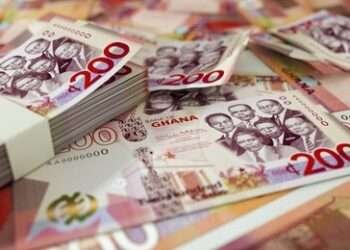
Ghana’s financial markets were jolted this week after the Bank of Ghana moved aggressively to absorb a staggering GH¢19.06 billion from the domestic money market, signaling that the central bank is far from relaxing its grip on liquidity conditions despite growing signs of economic recovery.
The move, executed through the central bank’s latest 14-day bill auction under Tender 861, has sparked intense discussions among bankers, investors, and market analysts.
While inflation continues to ease and interest rates have begun trending downward, the scale of this latest liquidity mop-up suggests the central bank remains highly alert to underlying risks in the financial system.
BoG’s Massive Liquidity Sweep Raises Eyebrows
The Bank of Ghana allotted the full GH¢19.06 billion in its latest short-term securities auction at a weighted average discount rate of 10.4579 percent, translating into an effective interest rate of approximately 10.50 percent for investors.
Bids submitted during the auction ranged from 10.40 percent to 10.49 percent, with successful bids falling largely within that corridor. The healthy demand for the bills reflects strong appetite among commercial banks and financial institutions seeking safe, short-term investment options amid moderating yields on Treasury instruments.
However, beyond the numbers lies a more strategic message from the central bank.
The sheer size of the liquidity absorption operation points to continued caution over excess cash circulating within the banking system. In financial markets, too much idle liquidity can create inflationary pressures, distort interest rates, and increase speculative activity, particularly in the foreign exchange market.
By pulling billions of cedis out of circulation, the Bank of Ghana appears determined to ensure that recent gains in macroeconomic stability are not undermined by excess liquidity.
Why the Central Bank Is Acting Now
The timing of the auction is particularly noteworthy.
Over the past several months, Ghana has recorded encouraging improvements in key macroeconomic indicators. Inflation has shown sustained moderation, the cedi has experienced relative stability, and monetary policy conditions have gradually eased.
These developments have created optimism within the financial sector, with many expecting a more relaxed policy stance from the central bank.
Yet, the latest GH¢19 billion operation suggests policymakers are unwilling to take chances.
Analysts believe the central bank is acting preemptively to prevent a situation where surplus liquidity fuels fresh inflationary trends or triggers renewed pressure on the exchange rate.
In emerging economies like Ghana, maintaining confidence in monetary policy remains critical. Any signs of excessive liquidity can quickly translate into increased demand for foreign currency, rising consumer prices, and renewed market volatility.
The Bank of Ghana’s latest intervention sends a clear message that preserving price stability remains the top priority.

Banks Find Opportunity in BoG Bills
For commercial banks, the 14-day bills offer a relatively attractive short-term parking option for surplus funds.
With yields on Treasury bills and longer-dated government securities declining significantly in recent months, many banks are now turning to central bank instruments for low-risk returns and liquidity management.
The effective yield of 10.50 percent makes the BoG bills a compelling option, especially in an environment where financial institutions are carefully balancing profitability and risk exposure.
Banking sector insiders suggest that demand for the auction was partly driven by institutions seeking to optimize excess reserves while waiting for stronger credit demand from businesses and households.
This reflects an evolving investment strategy within the banking sector, where institutions are becoming increasingly tactical in deploying surplus capital.
A Broader Monetary Policy Strategy
The latest auction is not an isolated event. It forms part of a broader liquidity management framework being actively pursued by the Bank of Ghana.
Central banks around the world rely on short-term instruments such as bills, repurchase agreements, and reserve requirements to regulate money supply and maintain financial stability.
In Ghana’s case, these interventions have become particularly important as the economy navigates post-crisis recovery, debt restructuring adjustments, and shifting investor sentiment.
The central bank’s ability to absorb excess liquidity without disrupting market confidence is being closely watched by both domestic and international investors.
Market participants believe consistent liquidity management could strengthen confidence in Ghana’s financial system and support the country’s broader economic recovery agenda.
What This Means for the Economy
The implications of the GH¢19 billion mop-up extend beyond banks and investors.
For businesses, tighter liquidity conditions could influence lending behavior, potentially affecting access to credit in the short term. For consumers, stable inflation and exchange rate conditions may ultimately support purchasing power and economic confidence.
For policymakers, the operation underscores the delicate balancing act required to support growth while preventing macroeconomic instability.
As Ghana continues its economic recovery journey, the Bank of Ghana’s latest action serves as a powerful reminder that monetary stability remains a cornerstone of sustainable growth.
While economic indicators may be improving, the central bank’s aggressive liquidity management signals that vigilance remains the order of the day.
READ ALSO: Ghana Stock Exchange Bears Tighten Grip, Capitalization Slumps