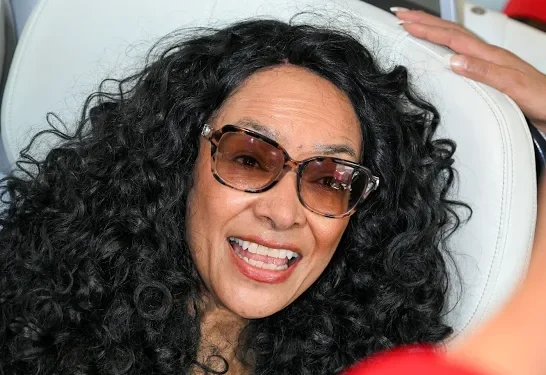
Kanya King, the visionary entrepreneur and founder of the MOBO Awards, passed away on June 3, 2026, at the age of 57 following a courageous battle with colon cancer.
Her death marks the end of an extraordinary life dedicated to championing Black British music and culture on both national and global stages.
The MOBO Organisation announced the news on June 5, describing King as a “fearless champion” who built an institution that transformed the UK music industry. “Kanya passed away peacefully on 3 June 2026 after a courageous and characteristically determined battle with colon cancer,” the statement read.
“She was surrounded by her family, close friends and love.” Her family added that they are “devastated” by the loss of their “mother, our sister, our heart.”
Born on February 12, 1969, in Kilburn, north London, to an Irish mother and Ghanaian father, King grew up with a deep appreciation for cultural diversity and the power of music. As a single mother, she took a bold financial risk by remortgaging her home to fund the inaugural MOBO Awards in 1996.

The event was created to address the lack of recognition for Black artists in mainstream British awards shows, providing a dedicated platform for Music of Black Origin encompassing genres such as R&B, hip-hop, grime, soul, reggae, afrobeat, and more.
What began as a grassroots initiative quickly grew into one of the UK’s most prestigious annual ceremonies. Over three decades, the MOBO Awards have celebrated and propelled the careers of countless artists, from early winners like Craig David and Ms Dynamite to later stars including Stormzy, Little Simz, RAYE, Central Cee, and Olivia Dean.
The show has reached hundreds of millions of viewers worldwide, helping shift Black British music from the margins to the centre of popular culture.
King’s leadership extended far beyond organising events. As CEO, she fought tirelessly for greater representation, diversity, and investment in Black talent within the music industry. Her efforts earned widespread recognition: she was appointed Member of the Order of the British Empire (MBE) in 1999 and later Commander of the Order of the British Empire (CBE) for her services to music and culture.
In 2024, she received a lifetime achievement award, using the moment to continue advocating even as she faced personal health challenges.
In December 2024, King publicly announced her stage four bowel cancer diagnosis. Despite the grim prognosis, she remained determined and visible. She attended the 2025 MOBO Awards in March, where Pharrell Williams honoured her on stage while receiving the Global Songwriter Award.
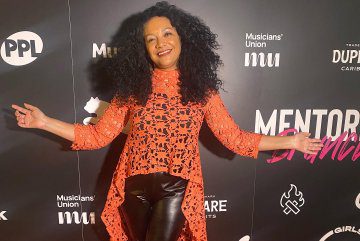
Her presence and resilience inspired many, demonstrating the same tenacity that defined her professional journey.
Public Reactions
Tributes poured in from across the music world and beyond. London Mayor Sadiq Khan described her as a “pioneer who changed culture and music.” Artists, industry executives, and fans highlighted her role in creating opportunities where few existed. “The music world has lost one of its most fearless champions,” the MOBO Organisation stated. Many echoed the sentiment that King did not just build an awards show -she built a movement.
King’s impact reached international audiences, as evidenced by coverage in Ghana and other nations with strong ties to the African diaspora. Her mixed heritage and commitment to celebrating Black excellence resonated widely, making MOBO a truly global brand while staying rooted in British Black music traditions.
Throughout her career, King balanced motherhood, entrepreneurship, and activism. She often spoke about the challenges of breaking barriers as a Black woman in a predominantly white industry, questioning the gatekeepers who controlled access and recognition. “What do I have to prove to get a seat at that table?” she once reflected, capturing the frustrations and determination that fuelled her success.
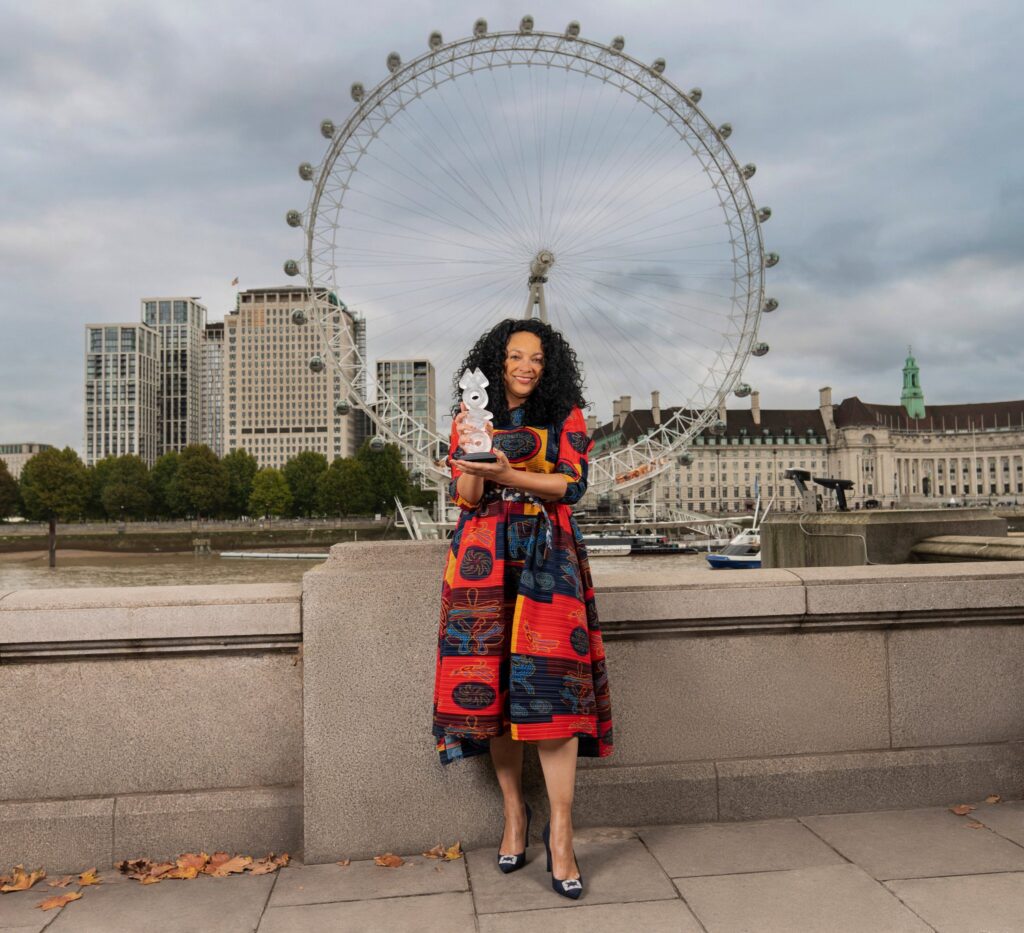
Her legacy includes not only the annual awards but also initiatives supporting emerging talent, education programs, and advocacy for industry reform. The MOBOs evolved from a single-night event into a year-round organisation with broader cultural influence.
Plans are already underway for the 2026 ceremony to serve as a celebration of her 30-year contribution.
King’s battle with cancer highlighted her character. Diagnosed in late 2024 and told she might have limited time, she continued working and appearing publicly when possible.
Friends and colleagues described her humour, faith, and unwavering resolve even in difficult moments. She faced her illness with the same determination she brought to building MOBO from the ground up.
As news of her passing spreads, the industry reflects on how one woman’s vision created space for generations of artists. From grime pioneers to contemporary chart-toppers, countless careers were launched or amplified by the platform she created.
MOBO helped normalise Black British excellence at a time when it was often overlooked by major awards bodies.
King is survived by her family, who have requested privacy as they grieve. The music community will continue to honour her through the institution she founded.
Future MOBO Awards will undoubtedly carry her spirit, serving as a living tribute to a trailblazer who refused to accept the status quo.
In an industry often criticised for fleeting trends, Kanya King built something enduring. Her story -from remortgaging her home as a single mother to creating a cultural powerhouse stands as an inspiring example of vision, resilience, and impact.
As tributes continue, one message rings clear: Kanya King changed British music forever, and her influence will echo for decades to come.
READ ALSO:37 Military Hospital Launches Ghana’s First Helium-Free MRI Centre