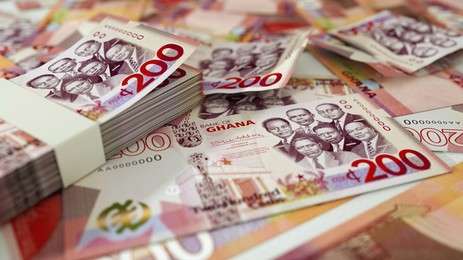
The Ghana cedi experienced a notable setback in May 2026, depreciating by approximately 4.6 percent against the US dollar, according to official interbank exchange rate data from the Bank of Ghana.
The local currency moved from GH¢11.19 to the dollar at the end of April to GH¢11.73 by the close of May, reflecting mounting pressure in the foreign exchange market.
The decline has reignited discussions among market participants, importers, exporters, and policymakers about the sustainability of the cedi’s gains recorded earlier in the year and the outlook for the remainder of 2026.
In an exclusive interview with The Vaultz News, Ms. Gifty Annor-Sika Asantewah, Financial Market Expert and President of Women in Forex Ghana, discussed what such developments could mean for Ghana’s currency outlook.
A Warning Signal for the Foreign Exchange Market
According to Ms Annor-Sika, a depreciation of 4.6 percent within a single month is significant, particularly after a period in which the cedi had shown signs of resilience.
She noted that the steady weakening observed throughout May suggests that market pressures intensified progressively rather than resulting from a single event.
“A sustained depreciation trend often indicates stronger demand for foreign currency relative to supply. When the pressure continues for several weeks, market participants begin to reassess their expectations for future exchange rate movements.”
Ms. Gifty Annor-Sika Asantewah
Such a scenario, she said, can encourage businesses to increase their demand for dollars as a hedge against future currency losses, further amplifying pressure on the local currency.
“The movement from GH¢11.23 at the beginning of May to GH¢11.73 by month-end demonstrates that demand-side pressures may have outweighed available foreign exchange inflows during the period. This could indicate tougher months ahead for currency stability if foreign exchange demand continues to outpace supply and external pressures persist.”
Ms. Gifty Annor-Sika Asantewah
Why the Cedi Came Under Pressure
Ms Asantewah noted that several factors could have contributed to the cedi’s decline during May.
First, she opined that increased demand for foreign exchange from importers may have placed additional pressure on the market.
“Ghana remains heavily dependent on imports for industrial inputs, machinery, fuel, and consumer goods. Any rise in demand for these products naturally translates into higher demand for dollars.”
Ms. Gifty Annor-Sika Asantewah
Secondly, Ms Asantewah noted that external market conditions may have played a role. Global investors continue to monitor interest rate movements in major economies, particularly the United States. “A stronger dollar internationally tends to create challenges for emerging and frontier market currencies,” she added.
“Currency stability is influenced not only by domestic policies but also by developments in global financial markets. When investors seek safety in the dollar, emerging market currencies often face renewed pressure.”
Ms. Gifty Annor-Sika Asantewah
Additionally, Ms Gifty Annor-Sika stated that seasonal demand patterns, corporate foreign exchange requirements, and portfolio investment flows may have contributed to the weakening trend.

Implications for Businesses and Consumers
The depreciation of the cedi carries important implications for businesses across multiple sectors of the economy.
According to the analyst, import-dependent companies may face higher operational costs, which could eventually be passed on to consumers through increased prices. Manufacturers that rely on imported raw materials are particularly vulnerable to exchange rate fluctuations.
“Businesses should pay close attention to their foreign exchange exposure and strengthen risk management strategies during periods of volatility,” Ms Asantewah advised.
Meanwhile, the impact may also be felt by households, especially if higher import costs translate into inflationary pressures. She stated that goods such as electronics, vehicles, pharmaceuticals, and some food products could become more expensive if the cedi continues to weaken.
“Exchange rate movements affect more than the financial markets. They ultimately influence business costs, consumer spending power, and overall economic confidence.”
Ms. Gifty Annor-Sika Asantewah
Can the Bank of Ghana Contain the Pressure?
According to Ms Asantewah, the Bank of Ghana remains one of the key institutions capable of influencing currency stability through monetary policy measures and foreign exchange market interventions.
She noted that the central bank has previously demonstrated its willingness to intervene when excessive volatility threatens market stability. However, she argued that long-term currency stability depends on broader economic fundamentals rather than short-term interventions alone.
“Sustainable currency strength is achieved when export earnings, investor confidence, and foreign exchange inflows consistently support demand within the economy.”
Ms. Gifty Annor-Sika Asantewah
Analysts believe the country’s foreign reserves position, export performance, and fiscal discipline will remain critical determinants of exchange rate stability in the coming months.
Tougher Months Could Lie Ahead
While a single month of depreciation does not necessarily signal a prolonged currency crisis, Ms Asantewah noted that it does raise questions about the outlook for the second half of the year.
Market participants will closely monitor developments in commodity prices, foreign direct investment inflows, cocoa and gold export earnings, and external financing conditions.
According to her, the cedi could face additional challenges if demand for foreign exchange continues to outpace supply.
“The next few months may prove decisive. If foreign exchange inflows strengthen and investor confidence remains positive, the cedi could stabilize. However, persistent demand pressures could result in further volatility.”
Ms. Gifty Annor-Sika Asantewah
Ms Gifty Annor-Sika maintains that proactive policy measures, coupled with stronger export performance and improved foreign exchange liquidity, will be essential in supporting the currency.
Outlook Remains Cautiously Balanced
Although the cedi’s 4.6 percent depreciation in May has raised concerns, analysts caution against drawing conclusions from a single month of data. She noted that exchange rates naturally fluctuate in response to domestic and international developments.
Nevertheless, Ms Asantewah indicated that the pace of the recent decline should be a caution that maintaining currency stability requires constant vigilance, strong economic fundamentals, and effective coordination between monetary and fiscal authorities.
For businesses, investors, and consumers, the coming months are likely to provide a clearer indication of whether May’s depreciation was a temporary setback or the beginning of a more challenging period for Ghana’s currency market.
READ ALSO: Ghana Gas Dismisses False Claims of Division, Touts Operational Records