The Minority in Parliament has raised urgent concerns over the worsening flooding situation in Accra, describing the situation as troubling and demanding stronger coordination in government response systems. The Member of Parliament, Honourable Samuel Abu Jinapor has argued that poor institutional alignment continues to undermine sanitation and flood control efforts across the capital.
Addressing the House during Tuesday’s Parliamentary Proceedings, Honourable Jinapor stated that the capital is facing a major disaster that has affected nearly every citizen in one form or another. He added that the scale of destruction demands frank and unified national attention.
He emphasised that flooding in Accra cannot be attributed to a single cause, noting that multiple factors have contributed to the recurring challenge. He also stressed that coordination at the highest levels of government is a necessary tool for any sustainable solution.
The MP explained that sanitation management requires effective collaboration among ministries and local authorities. He also referenced remarks made by the Minister for Local Government, who linked sanitation failures to issues involving budget allocation and utilisation at the district level.
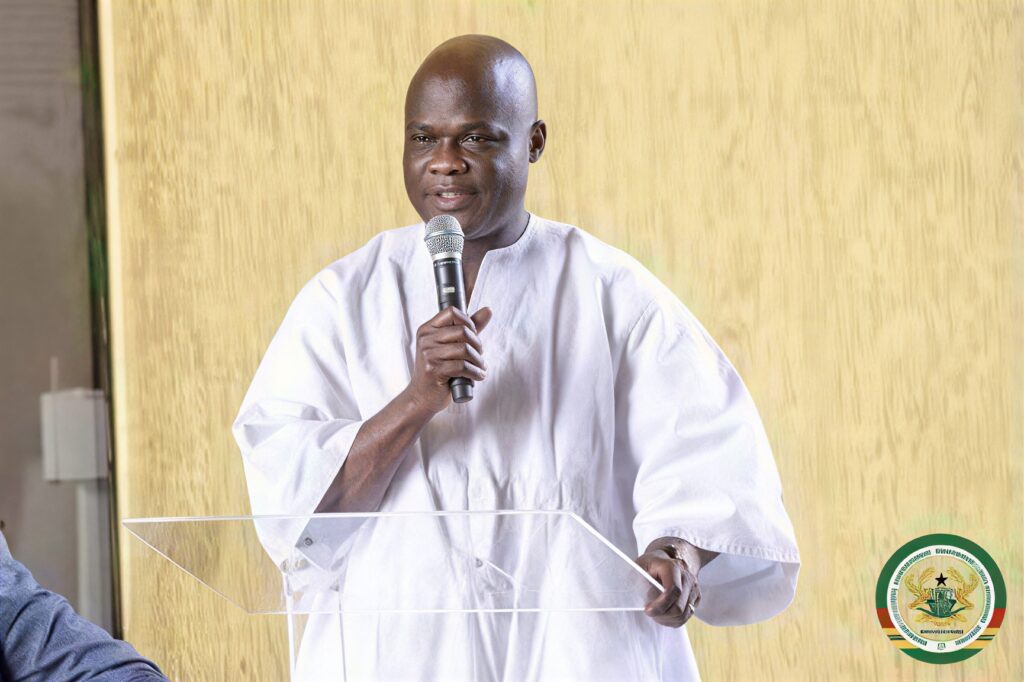
Honourable Jinapor noted that the Minister questioned whether funds released to Metropolitan, Municipal and District Assemblies were being properly used. He indicated that such public admissions point to deeper structural gaps in oversight and execution.
“Coordination is absolutely important especially at the level of government. When responsibilities are fragmented, the outcomes become predictable and citizens bear the cost of inaction.”
Honourable Samuel Abu Jinapor
He further drew attention to the existence of a coordination committee chaired at the Office of the President, which is tasked with clarifying institutional responsibilities in sanitation management. He said the presence of overlapping mandates continues to weaken efficiency in tackling flooding.
Honourable Jinapor also pointed to governance challenges linked to budget distribution and execution. He argued that without clarity in responsibility, public funds are being underutilised while environmental threats intensify.
The Minority Caucus added that Accra’s flooding crisis reflects a long standing coordination deficit rather than isolated administrative failures. He urged Parliament to treat the matter as a national priority requiring immediate structural attention.
Pre-Flooding Measures, Budget Use and Accountability Debated in Chamber
Honourable Samuel Abu Jinapor questioned the effectiveness of preparedness by the government ahead of the rainy season, stressing that repeated flooding episodes point to gaps in prevention and planning.
He referenced interventions introduced before the current administration, indicating that some of the measures appear to have been discontinued. He noted that discontinuity in policy execution has contributed to the recurring vulnerability of urban areas.
The MP argued that while citizen behaviour plays a role in environmental challenges, the primary focus must remain on strengthening institutional readiness. He added that desilting, drainage management and sanitation enforcement require clear allocation of responsibilities.
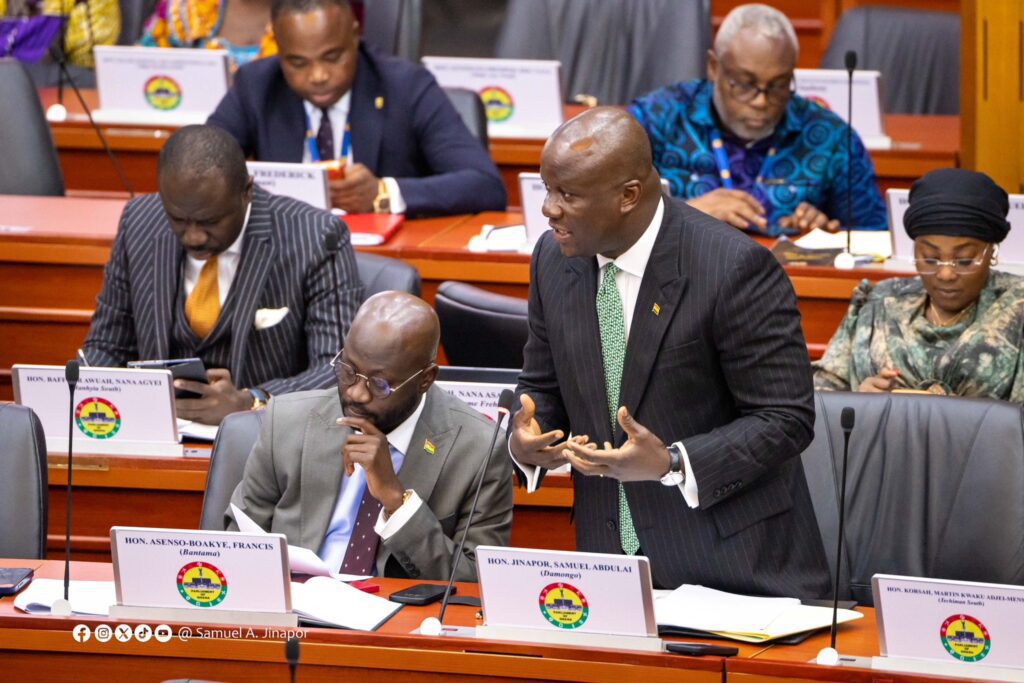
He stressed that current budget allocations for flood mitigation, including recent financial releases, raise questions about timing and effectiveness. He stated that preventive measures should precede disasters rather than follow widespread destruction.
“We all know that Accra faces flooding every rainy season. Preventive action should come before destruction and not after lives and property have been lost.”
Honourable Samuel Abu Jinapor
Honourable Jinapor further questioned why annual flooding patterns continue without decisive pre season intervention. He observed that the repeated loss of lives and property highlights weaknesses in planning and execution.
He also criticised the timing of government interventions, noting that emergency funding is often announced after major incidents have already occurred. He indicated that such patterns undermine public confidence in disaster management systems.
The MP called for a clearer framework defining responsibilities among ministries and agencies involved in sanitation and flood control. He said overlapping mandates continue to slow down response efforts and weaken accountability structures.
Honourable Jinapor emphasised that effective governance requires proactive planning, especially in predictable seasonal conditions. He added that national preparedness must align with known weather cycles to reduce avoidable damage.
He urged authorities to prioritise implementation over discussion, stating that citizens continue to suffer repeated losses each rainy season. He further appealed for stronger oversight to ensure that allocated funds achieve their intended purpose.
READ ALSO: Black Stars Send Message of Solidarity to Accra Flood Victims