
StarOil Ghana is taking steps to gain greater control over the petroleum supply chain after the National Petroleum Authority (NPA) granted its wholly owned subsidiary, SOL Energy Ltd, a provisional Bulk Import, Distribution and Export (BIDEC) licence.
The development was announced by Kwame Tieku on social media, who described the regulatory approval as a major milestone in StarOil’s “backward integration” strategy.
The licence potentially expands the group’s role beyond the retail and marketing of petroleum products into bulk importation, distribution and export activities, creating an opportunity for StarOil to participate more directly in the supply chain that feeds Ghana’s downstream market.
“The NPA has granted SOL Energy Ltd (a 100% subsidiary of StarOil Ghana) a provisional Bulk Import, Distribution and Export (BIDEC) license! This is a major milestone in our backward integration of the business! More on that later!!”
Kwame Tieku
The announcement does not, however, indicate that SOL Energy has begun importing or distributing petroleum products at commercial scale. It also does not provide details on the company’s planned import volumes, storage infrastructure, financing arrangements or operational timeline.
Those details will ultimately determine the scale of the company’s expansion.
Extending Control Across The Supply Chain
The importance of the provisional licence is tied to the position it could give SOL Energy within Ghana’s downstream petroleum industry.
Oil marketing companies traditionally operate closest to consumers through retail outlets, but the downstream value chain begins considerably earlier.
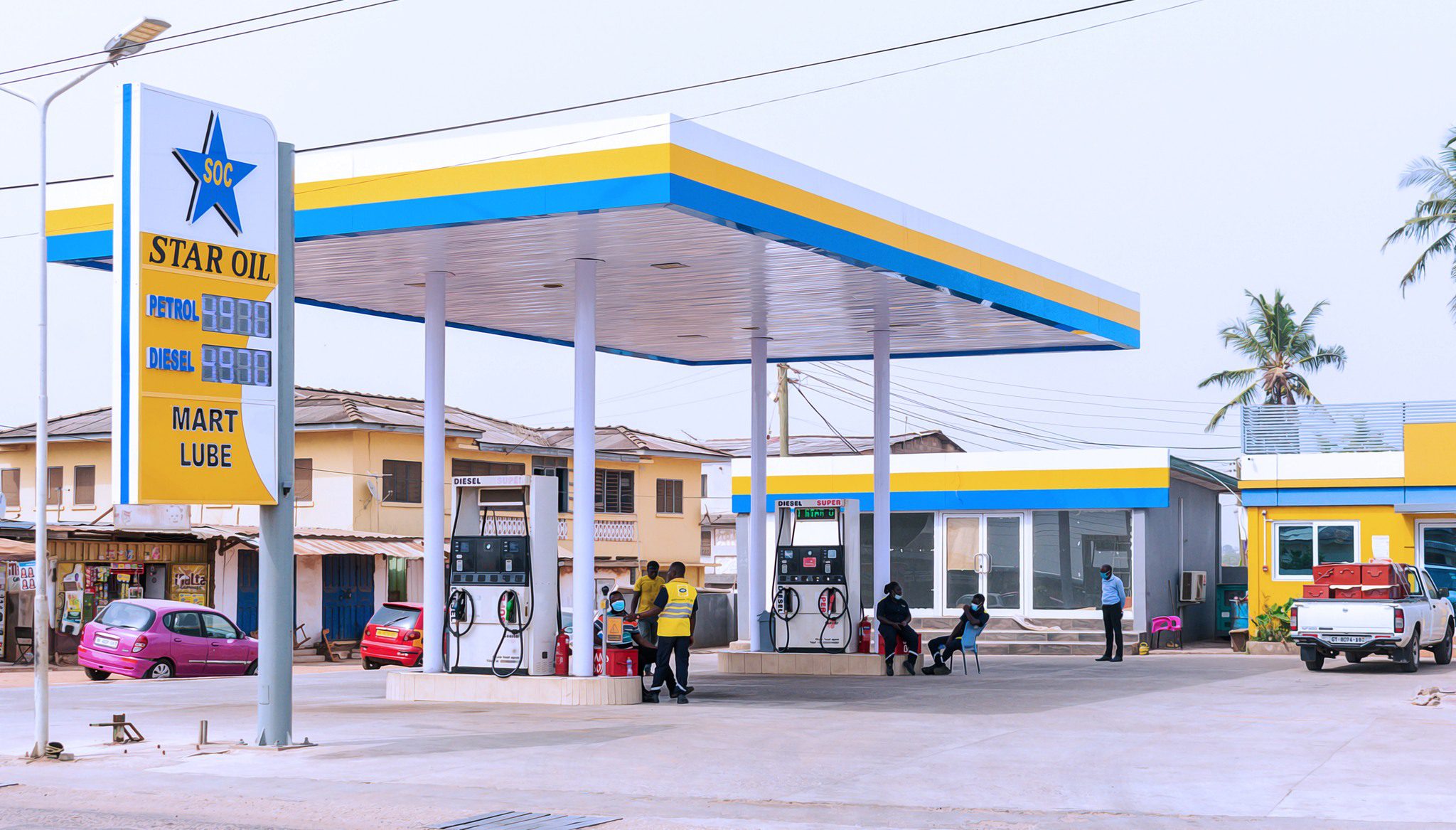
Petroleum products must be sourced, imported where necessary, discharged, stored, transported and distributed before reaching filling stations and other end-users.
Participation in the bulk segment would therefore give StarOil an opportunity to exercise greater control over some of these stages.
That is the significance of the company’s reference to backward integration.
For a fuel marketer, greater integration can potentially improve supply planning and reduce dependence on third-party suppliers for products required by its retail network. It can also provide greater visibility over procurement and logistics.
The benefits, however, should not be overstated.
A bulk import licence does not shield an operator from the international market. Imported petroleum products remain exposed to global prices, freight charges, exchange-rate movements and other international market conditions.
What changes is the company’s position within that chain.
Instead of participating mainly at the point where fuel reaches consumers, StarOil would have a pathway to participate more directly in sourcing and moving petroleum products before the retail stage.
Import Dependence Remains Core Risk
The move is particularly relevant to Ghana because the country’s downstream petroleum market remains closely connected to international supply conditions.
When global petroleum-product prices rise, the impact can eventually be transmitted to the domestic market.
Changes in crude and refined-product prices are also accompanied by movements in shipping costs and foreign-exchange requirements.
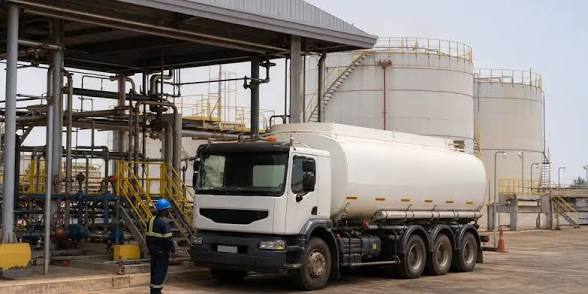
For companies operating in the sector, managing these variables is therefore as much a supply-chain challenge as it is a retail pricing issue.
SOL Energy’s new regulatory position could allow StarOil to manage a greater portion of that process itself.
It could potentially strengthen procurement planning and enable the company to build supply arrangements around its own commercial requirements rather than relying exclusively on other bulk suppliers.
However, the ultimate effect will depend on how aggressively StarOil invests behind the licence.
A provisional regulatory approval without corresponding infrastructure, financing and product volumes would have limited practical impact.
The next stage of the strategy will consequently be important.
Infrastructure Will Determine The Scale
Bulk petroleum operations require considerably more than regulatory approval.
They depend on access to storage, transportation infrastructure, working capital, supply agreements and appropriate logistics arrangements.
For SOL Energy, establishing or securing sufficient infrastructure will determine whether the licence becomes a significant extension of StarOil’s business or simply another regulatory capability within the group.
The company’s infrastructure strategy will also matter because Ghana’s downstream market is geographically dispersed.
Fuel imported through coastal facilities must ultimately reach demand centres across the country.
Efficient movement of products therefore remains critical to the economics of the business.
Storage can also provide an important buffer.
Companies with adequate inventory and storage capacity have greater flexibility in managing temporary supply disruptions, shipping delays or changes in market conditions.
That becomes increasingly relevant as global energy markets remain vulnerable to geopolitical tensions and disruptions along major petroleum supply routes.
Export Component Opens Regional Opportunity
The export element of the BIDEC licence adds another dimension to the development.
Ghana sits within a region where petroleum products move across borders to meet demand in neighbouring markets.
Participation in exports could therefore allow SOL Energy to explore commercial opportunities beyond Ghana’s domestic market.
The potential regional opportunity is significant, but it will ultimately depend on competitiveness.
Exporting petroleum products requires an operator to compete on product cost, logistics, reliability and access to suitable infrastructure. Ghanaian suppliers must also contend with other regional sources of refined products.
For StarOil, the export component could nevertheless provide a basis for developing a broader downstream trading operation.
It could also complement the company’s existing retail presence by creating another outlet for products sourced through its bulk operations.
Whether that happens will depend on the commercial model eventually adopted by SOL Energy.
Retail Business Could Gain Greater Supply Visibility
For StarOil’s existing downstream business, the most immediate potential benefit of greater integration may be supply visibility.
Retail stations depend on consistent product availability. Disruptions upstream can eventually translate into shortages at individual outlets, while inefficient logistics can increase the cost of moving products across the country.
Greater involvement in bulk procurement and distribution could give the group more control over these processes.

It may also allow StarOil to coordinate procurement decisions more closely with demand across its retail network.
But the relationship between integration and pump prices requires caution.
Greater control over procurement does not automatically translate into cheaper fuel for consumers.
Pump prices in Ghana incorporate several components beyond the marketer’s procurement cost, including international market prices, taxes, levies, margins and exchange-rate effects.
Consequently, the immediate significance of the licence is more appropriately understood as a business-model expansion rather than an indication of imminent changes in retail fuel prices.
Regulatory Approval Comes Before Commercial Execution
The provisional nature of the licence also means the development should be viewed as the beginning of the process.
The NPA’s approval establishes the regulatory basis for SOL Energy to pursue the activities covered by the BIDEC framework. The company’s subsequent investments and operating arrangements will determine how much of that potential is realised.
For StarOil, this creates several practical questions.
How much product does SOL Energy intend to import? What storage facilities will support the operation? Will the company rely on existing infrastructure or develop additional capacity? Which petroleum products will form the core of its business? And how significant will regional exports become?
The answers will provide a clearer indication of the strategic direction behind the licence.
They will also show whether backward integration is being pursued primarily to secure StarOil’s existing retail business or to establish SOL Energy as a broader participant in Ghana’s petroleum-products market.
A Shift In Downstream Competition
The development comes against a backdrop of increasing competition within Ghana’s downstream petroleum industry.
Competition is no longer limited to the visibility of filling stations or the quality of retail service. Supply reliability, procurement efficiency, storage, logistics and access to capital increasingly influence the ability of operators to compete.
This makes vertical integration potentially valuable.

Companies that can manage more stages of the supply chain may have greater flexibility in responding to changes in international markets and domestic demand.
For StarOil, SOL Energy could provide the platform for such expansion.
The company’s existing presence in the downstream market gives it an established customer-facing business, while the provisional BIDEC licence creates a potential route toward greater participation in the bulk segment.
That combination could eventually allow the group to connect importation, distribution and retail operations more closely.
Still, the success of the strategy will not be determined by the licence itself.
It will depend on whether StarOil can translate regulatory approval into competitive procurement, adequate infrastructure, reliable distribution and commercially sustainable operations.
For now, the NPA’s provisional approval marks an important step in that direction.
More importantly, it signals that StarOil is seeking to evolve from simply participating in Ghana’s petroleum retail market to taking greater control of the supply chain behind it.
The company’s next investments and operational decisions will determine whether that ambition becomes a meaningful shift in Ghana’s downstream petroleum landscape.
READ ALSO: BoG Pushes Investor Protection Amid Financial Inclusion Drive