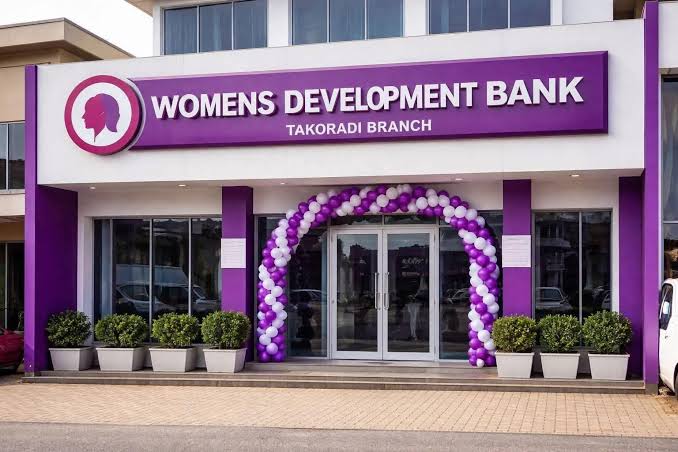
Ghana’s proposed Women’s Development Bank has taken a significant step towards becoming a reality after formally submitting an application to the Bank of Ghana (BoG) for a banking licence, raising hopes of a new financial institution dedicated to addressing the persistent funding challenges confronting women entrepreneurs.
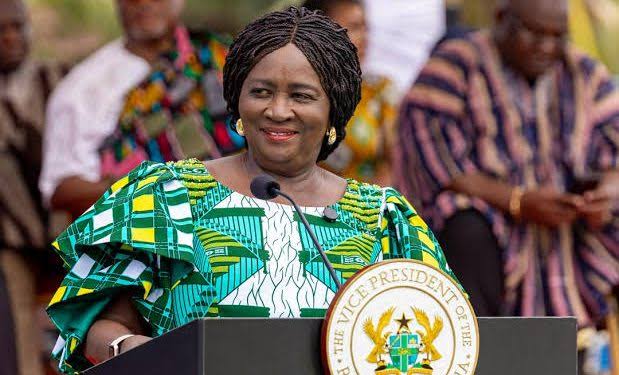
Vice President Professor Jane Naana Opoku-Agyemang disclosed that the committee established to develop the proposed institution has completed its assignment and submitted the licence application through the Ministry of Finance for regulatory consideration.
The development marks an important milestone in the government’s efforts to establish a specialised financial institution that will expand access to finance for women-owned businesses, particularly those operating within Ghana’s informal economy.
Speaking at the 15th Ghana Economic Forum, the Vice President explained that the proposed bank is being designed to respond to the unique financial circumstances of women entrepreneurs, many of whom continue to struggle to access credit from conventional financial institutions.
The application now places the proposed institution before the central bank, bringing the initiative closer to the regulatory processes required for its eventual establishment.
Women’s Bank Moves Beyond Conventional Banking
Unlike traditional commercial banks, the proposed Women’s Development Bank is expected to adopt a different approach to delivering financial services, with particular attention to women traders, market operators and small business owners who often operate outside the formal financial system.
Professor Opoku-Agyemang explained that the institution’s development process deliberately involved women and other stakeholders who understand the everyday financial realities of the intended beneficiaries.
“We therefore constituted a dedicated committee that brought together market women, susu collectors, representatives of women’s business associations, financial sector professionals and other key stakeholders.”
Professor Opoku-Agyemang
The composition of the committee reflects an attempt to build an institution around the experiences of the people it is intended to serve rather than simply replicate the structures of existing financial institutions.
Market women, susu collectors and small business associations occupy an important position in Ghana’s informal economy. Their involvement in the development process is therefore significant, particularly as the proposed bank seeks to reach entrepreneurs who may not satisfy the conventional requirements for accessing commercial bank loans.
The Vice President maintained that the institution must reflect the actual needs and aspirations of women rather than operate as another conventional financial institution with limited accessibility.
“My conviction has always been that an institution established to serve women must be shaped by the experiences, aspirations and everyday realities of those very women.”
Professor Opoku-Agyemang
Statistics Expose Ghana’s Female Business Financing Gap
Beyond the proposed bank’s establishment, the statistics cited by the Vice President reveal the scale of the economic imbalance confronting women-owned enterprises in Ghana.
According to Ghana Statistical Service data referenced by Professor Opoku-Agyemang, women manage nearly 60 per cent of micro-establishments in the country but account for less than 10 per cent of large businesses.
The disparity raises important questions about the challenges preventing women-owned businesses from expanding beyond micro and small-scale operations.
Although women play a dominant role in running small businesses, their relatively limited representation among large enterprises suggests that significant barriers remain along the path to business expansion.
Access to affordable financing is one of the critical issues confronting many entrepreneurs. Businesses require capital to acquire equipment, purchase inventory, employ workers, improve production capacity and enter new markets. Without adequate financing, even profitable businesses can struggle to grow.
Women operating in informal markets may face additional difficulties when seeking loans, particularly where conventional lending requirements depend heavily on formal financial records, collateral and established credit histories.
The proposed Women’s Development Bank is expected to address some of these structural challenges by bringing financial services closer to women entrepreneurs and traders.
A Last-Mile Bank for Women Entrepreneurs
Professor Opoku-Agyemang was particularly emphatic that the proposed institution should not be viewed as simply another addition to Ghana’s banking industry.
She described its intended purpose as a specialised intervention aimed at reaching women whose businesses sustain markets and local economies but often remain underserved by mainstream financial institutions.
“This bank is not meant to be just another financial institution. It is conceived as a last-mile bank designed to bring financial services closer to the women whose enterprise and hard work sustain our markets and local economies.”
Professor Opoku-Agyemang
The last-mile banking concept is particularly important in an economy where a substantial proportion of business activity takes place outside the formal corporate environment.
A financial institution capable of reaching market women, petty traders, susu contributors and small-scale entrepreneurs could help bridge the distance between informal economic activity and formal financial services.
However, the bank’s eventual impact will depend largely on the products it introduces, the affordability of its loans, its geographical reach and the conditions attached to accessing credit.
Beyond lending, its ability to provide financial education, savings products and business development support could also determine whether beneficiaries can transform small enterprises into sustainable and competitive businesses.
BoG Licence Application Sets Stage for Next Chapter
With the application now submitted to the Bank of Ghana through the Ministry of Finance, attention will turn to the regulatory consideration process and the requirements that must be satisfied before the proposed institution can commence banking operations.
The successful establishment of the bank could introduce a new dimension to Ghana’s financial sector, particularly in addressing the financing needs of women who remain heavily represented in micro-enterprise activities.
The initiative also raises expectations about the government’s broader commitment to improving women’s economic participation through access to capital and financial opportunities.
Ghana’s women entrepreneurs have long played a critical role in trade, agriculture, manufacturing and services. Yet, their contribution has not always translated into comparable access to the financial resources required to build larger enterprises.
The proposed bank therefore represents an attempt to address a longstanding structural gap in the country’s business financing environment.
Whether it can deliver on that ambition will depend on how effectively its proposed model translates into accessible, affordable and sustainable financial services.
READ ALSO: EFCA Trains Fisheries Officers in Ghana