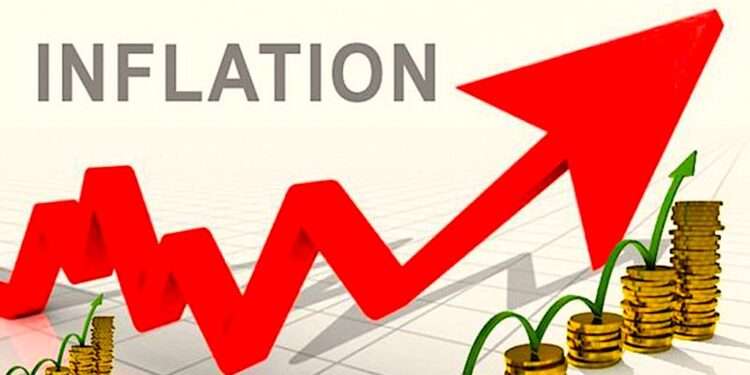
The African Export-Import Bank has projected that Ghana’s inflation will average 9.9 percent in 2026, reinforcing expectations that price pressures will remain contained over the medium term.
The forecast comes at a time when the country is experiencing one of its strongest disinflationary streaks in decades, offering renewed optimism about macroeconomic stability.
Although the projected 9.9 percent inflation rate is higher than the most recent reading, it remains significantly below the elevated levels recorded in previous years. Ghana’s headline inflation eased sharply to 3.8 percent in January 2026, marking the lowest rate in nearly 27 years. This dramatic slowdown in price growth reflects sustained fiscal consolidation, tight monetary policy, and improved external sector conditions.
The Bank notes that while inflation has moderated sharply, the 2026 average projection reflects possible base effects and evolving domestic and global dynamics. Nonetheless, the outlook suggests that Ghana is firmly on a path toward long-term price stability.

Disinflation Deepens Amid Reforms
Ghana’s recent inflation performance has been one of the most remarkable developments in the country’s macroeconomic landscape. From previously elevated double-digit levels, inflation has steadily declined, signaling the effectiveness of coordinated policy interventions.
The deepening disinflationary trend in January 2026 underscores the progress made under ongoing macroeconomic reforms. Fiscal consolidation efforts have reduced pressure on public finances, while prudent monetary tightening has anchored inflation expectations and stabilized the currency.
In its January 2026 assessment of Africa’s macroeconomic environment, the Bank places Ghana within a stable risk category. This classification reflects improved fiscal discipline, enhanced revenue mobilization measures, and structural reforms aimed at restoring investor confidence.
Analysts say that sustaining these gains will require continued vigilance. While current inflation readings are encouraging, external risks such as global commodity price volatility and shifting financial conditions could still influence the trajectory.
Cedi Among Africa’s Top Performers
Complementing the positive inflation outlook is the strong performance of the Ghana cedi. According to the Bank’s latest exchange rate assessment, the cedi appreciated by 27.4 percent year-on-year against the US dollar, making it one of Africa’s strongest-performing currencies.
This appreciation has provided significant relief for importers and helped ease pass-through effects on domestic prices. A stronger currency reduces the cost of imported goods, which in turn supports the disinflation process.
In broader emerging market comparisons, the cedi is listed among the best high-yield performers year-to-date. The currency’s resilience has been supported by tight monetary policy, improved foreign exchange inflows, and better external conditions.
Despite these gains, the Bank cautions that exchange-rate performance across Africa remains mixed. Several countries continue to face depreciation pressures due to external imbalances and limited foreign exchange reserves. Ghana’s relative strength therefore highlights the impact of disciplined policy management and favorable market sentiment.

Africa’s Growth Outlook Improves
Beyond Ghana, the Bank projects that Africa’s economy will expand by 4.3 percent in 2026, up slightly from 4.2 percent in 2025. This gradual acceleration is expected to be supported by easing inflation across several economies, improved policy coordination, and recovering investment flows.
The improved continental growth outlook provides a supportive backdrop for Ghana’s recovery. As regional trade and investment strengthen, countries with stable macroeconomic environments are likely to attract greater capital inflows.
However, the broader picture remains complex. The continent’s average debt-to-GDP ratio stands at approximately 72 percent, underscoring persistent fiscal vulnerabilities. High debt burdens limit fiscal space and increase exposure to global interest rate fluctuations.
For Ghana, managing debt sustainability remains a key priority. While inflation and currency gains are positive developments, maintaining fiscal prudence will be essential to preserve investor confidence and macroeconomic stability.
Balancing Gains With Risks
The projection of 9.9 percent average inflation in 2026 suggests that while short-term price pressures have eased significantly, policymakers must remain attentive to potential headwinds. Global economic conditions, commodity price movements, and geopolitical uncertainties could still influence domestic outcomes.
The stable risk classification assigned to Ghana reflects confidence in the direction of policy reforms. Continued adherence to fiscal consolidation targets and monetary discipline will likely determine whether the country sustains its current momentum.
For businesses and households, lower and more predictable inflation offers improved planning certainty. Stable prices enhance purchasing power, reduce borrowing costs over time, and encourage long-term investment decisions.
The appreciation of the cedi further strengthens this outlook, particularly if supported by diversified export earnings and robust foreign exchange reserves. Together, price stability and currency strength provide a foundation for inclusive economic growth.
A Measured Path Forward
The Bank’s 9.9 percent inflation forecast for 2026 signals cautious optimism. Ghana’s economy appears to be transitioning from a period of instability toward one of steady recovery. The sharp decline in inflation to 3.8 percent in January 2026 demonstrates tangible progress, while the cedi’s strong performance underscores renewed market confidence.
Yet, the broader African environment remains uneven, with elevated debt levels and mixed currency performance across the continent. Ghana’s gains therefore stand out but must be safeguarded through sustained reform efforts.
Currently, the focus will be on consolidating recent achievements, deepening structural reforms, and navigating external risks. If current trends continue, Ghana could strengthen its position as one of Africa’s more stable and resilient economies.
READ ALSO: Government Delivers Outboard Motors to Pirate Attack Victims