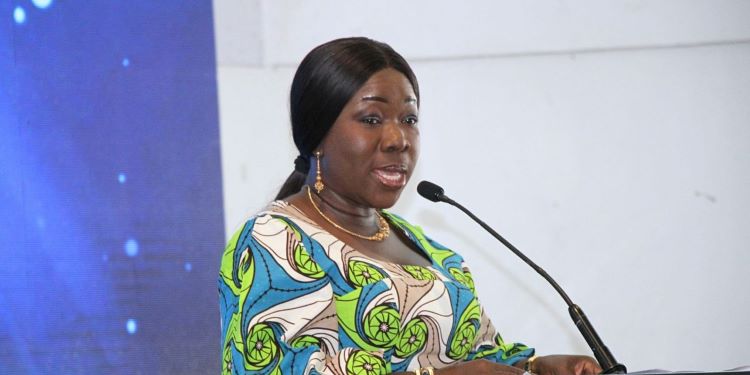
Ghana’s economic architecture is undergoing realignment, as the government pivots towards unlocking large-scale investment for women-led enterprises through a high-level policy mandate delivered on behalf of the Vice President, Her Excellency Jane Naana Opoku-Agyemang, at the recent Women’s Investment Summit in Accra.
Represented by the Minister for Trade, Agribusiness and Industry, Hon. Elizabeth Ofosu-Adjare, the administration signaled that the era of treating women’s economic participation as a “social welfare,” issue is over, framing women-led businesses – which comprise a staggering 44% of Ghana’s Micro, Small, and Medium Enterprises (MSMEs) – as the primary engine for national scalability.
“The government signaled a renewed push to unlock large scale investment in women led businesses, with a strong call for deliberate, sustained action from both public and private sectors to transform participation into ownership and growth.
“Hon. Elizabeth Ofosu-Adjare, emphasized that the country cannot achieve lasting prosperity while underinvesting in women”
Ministry of Trade, Agribusiness and Industry
According to the Ministry of Trade, Agribusiness and Industry (MoTAI), the summit’s theme, “Give to Gain,” served as an acknowledgment of a historical market failure: the systemic underinvestment in the demographic that effectively drives Ghana’s markets, households, and rural economies.
The Vice President’s address moved beyond the rhetoric of empowerment, focusing instead on the necessity of transitioning from mere participation to actual economic ownership, with the most significant structural announcement of the summit being the imminent launch of the Women’s Development Bank.
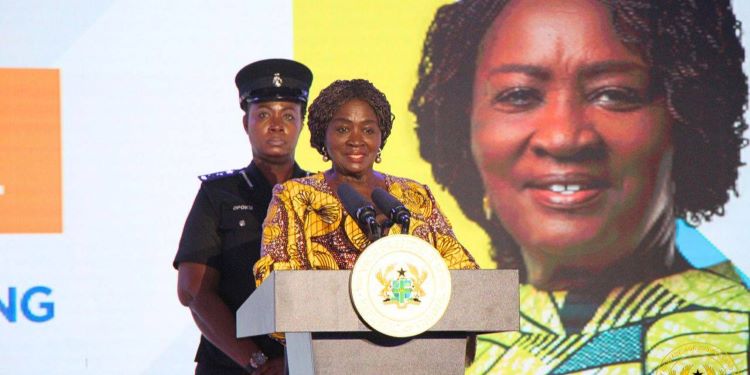
Hon. Ofosu-Adjare noted that this is not merely another financial institution but a targeted mechanism to bypass the traditional banking sector’s high barriers to entry. She revealed that the bank is structured to provide concessional, collateral-free loans, directly addressing the “asset ownership gap,” that has historically prevented women from securing credit.
She explained that removing the requirement for physical collateral – which many women lack due to customary land tenure and inheritance biases – significantly de-risks the female entrepreneur.
Beyond lending, the Women’s Development Bank will also serve as a hub for business development services and credit guarantees. This “tiered support model,” ensures that women at the “base of the pyramid,” – particularly those in rural agribusiness and cross-border trade – have access to the same financial literacy and scaling tools as urban tech founders.
Resilience Trap
A recurring theme of the summit was the critique of the “resilience,” narrative. The Trade Minister warned that while Ghanaian women are globally recognized for their entrepreneurial grit, this resilience is often a symptom of systemic exclusion.
Without access to patient and scalable capital, women-led businesses remain trapped in a cycle of small-scale operations that lack the economic muscle to penetrate high-value supply chains or export markets. The government’s priority is now to bridge these investment gaps by integrating women into formal corporate and state procurement networks.
This integration is particularly vital for the success of the African Continental Free Trade Area (AfCFTA). For Ghana to leverage its position as the AfCFTA hub, its 44% MSME base – dominated by women – must be able to trade across borders competitively.
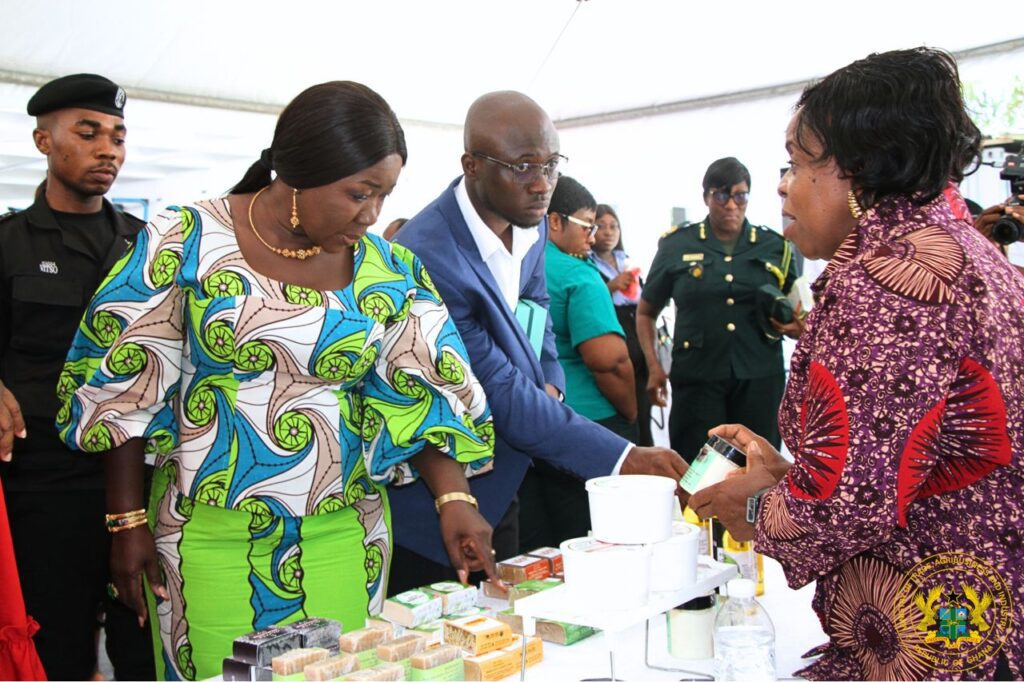
The summit identified supply chain exclusion as a primary bottleneck, noting that even when women produce high-quality goods, they are often sidelined from large-scale off-taker agreements. The new policy direction seeks to mandate inclusive procurement as a standard for both public and private sector growth.
The call for a new investment philosophy was echoed by Mrs. Odelia Ntiamoah, CEO of the Oxford Africa Women Leadership Institute. She advocated for the deployment of catalytic funds – capital specifically designed to trigger further private sector investment by absorbing initial risks.
Her charge aligned with the government’s push for patient capital, which prioritizes long-term growth over immediate, high-interest returns. The consensus at the summit was that “closer partnerships,” between the state, civil society, and the private financial sector are the only way to transform potential into tangible economic power.
MoTAI added that this multi-stakeholder approach is intended to create a multiplier effect, where scaling women-led businesses triggers a higher rate of social reinvestment into education, health, and community infrastructure, as suggested by data.
Therefore, the government argued that unlocking scalable capital for women is the most efficient way to achieve broad-based developmental outcomes, noting that this is not just “gender budgeting,” but a productivity strategy to maximize the output of nearly half of the nation’s workforce.
The final pillar of the government’s push was the expansion of export market access, where women entrepreneurs are positioned to take advantage of global demand for Ghanaian textiles, processed foods, and artisanal goods through focusing on cross-border trade.
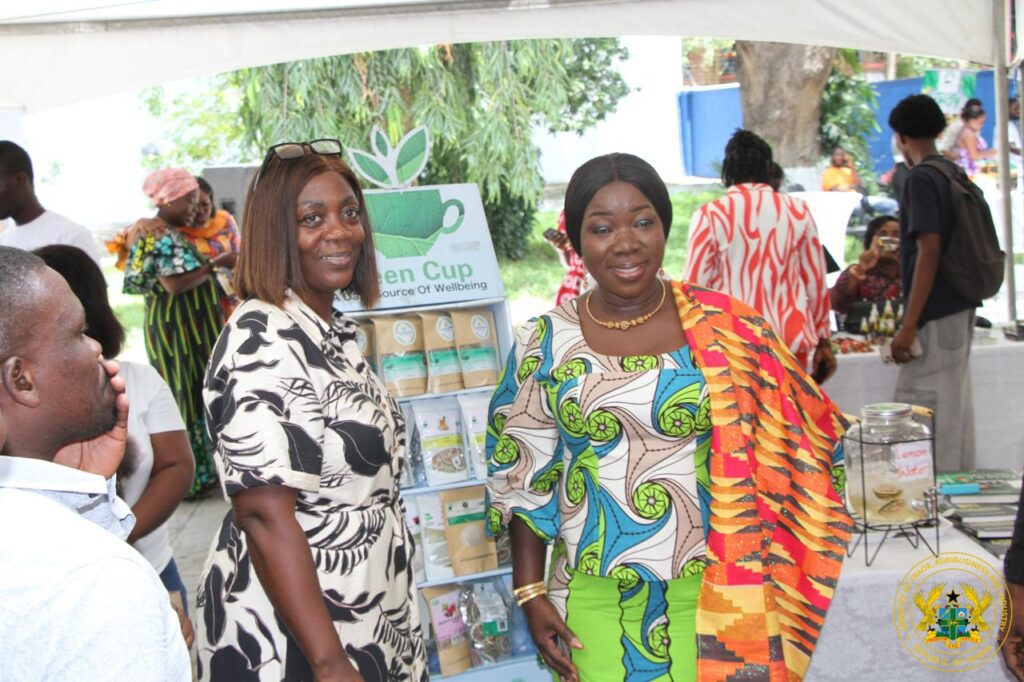
The Vice President concluded with a firm commitment to execution, noting that shifting the focus from inclusion to investment for women-led businesses can help Ghana reset its economic trajectory.
READ ALSO: Price, Power and Leadership: The Battle Behind GOIL PLC’s Return to Ghana’s Petroleum Throne