Dr. George Domfe, a Development Economist and Research Fellow at the Centre for Social Policy Studies (CSPS), has called for a fundamental shift in how Ghana approaches its perennial power crisis, popularly known as “dumsor.”
He argues that the nation must transcend the traditional cycle of partisan blame-shifting and instead embrace a coordinated, technically-driven energy strategy to achieve long-term economic stability.
By depoliticizing energy discourse, Dr. Domfe believes the country can finally address the deep-seated institutional and operational failures that have historically hindered the energy sector’s reliability and efficiency.
“Framing persistent power outages primarily through a partisan lens risks obscuring the structural and technical dimensions of the problem, thereby limiting the scope for durable solutions. Ultimately, addressing ‘dumsor’ in a sustainable manner requires moving beyond politicized narratives toward a coordinated, technically informed, and forward-looking energy strategy. A more constructive approach would emphasize evidence-based analysis, transparency in energy sector management, and cross-stakeholder collaboration.”
Dr. George Domfe
The necessity of this transition stems from a realization that framing electricity challenges through a purely political lens obscures the critical structural dimensions of the problem.
When energy policy is treated as a campaign tool rather than a technical necessity, the resulting “durable solutions” often remain out of reach, replaced by short-term fixes that fail to address the core of the crisis.
To break this cycle, Dr. Domfe advocates for a management culture rooted in evidence-based analysis, absolute transparency, and genuine collaboration among all stakeholders in the energy value chain.
Harnessing Solar Energy for Grid Resilience and Economic Growth

Within the current energy landscape, renewable energy specifically solar power stands out as a formidable and increasingly affordable pillar for Ghana’s energy security.
Dr. Domfe points out that the nation’s high solar irradiation levels present an untapped opportunity to diversify the national energy mix. By scaling up both grid-scale and decentralized solar systems, Ghana can significantly “reduce pressure on hydropower and thermal generation,” which are often subject to seasonal fluctuations and fuel supply volatilities.
This diversification is not merely an environmental goal but a technical requirement to “enhance overall system resilience” and provide a buffer against the traditional generation gaps that trigger outages.
Furthermore, the integration of advanced storage technologies and smart grid systems is essential to overcoming the intermittent nature of solar energy.
Such a technical strategy ensures that excess power generated during peak sunlight hours can be utilized during the evening, effectively stabilizing the grid.
From an economic perspective, these strategic investments are catalysts for growth; they have the potential to “stimulate local industry, create employment opportunities, and foster technological innovation,” turning a national challenge into a driver for industrial modernization.
The Role of Academic Institutions in Policy and Innovation
A sustainable energy transition requires more than just hardware; it demands a robust intellectual and human capital foundation.

Dr. Domfe highlights that premier academic institutions, including the University of Ghana (UG) and the Kwame Nkrumah University of Science and Technology (KNUST), are “well positioned to lead interdisciplinary research” and drive the necessary capacity-building initiatives.
These universities serve as the engines of innovation that can support evidence-based policy design, ensuring that Ghana’s energy transition is grounded in local realities and global best practices.
By fostering “sustained collaboration with government, industry, and international partners,” these research hubs can provide the technical expertise required to manage a modern, decentralized energy network.
This collective effort would not only stabilize the domestic power supply but also “position Ghana as a regional hub for solar energy technology development and deployment.”
In this vision, the solution to “dumsor” moves away from the political podium and into the laboratory and the boardroom, where data-driven decisions pave the way for a more reliable and prosperous future.
Institutional Reforms: The Backbone of Sustainable Energy
Technical strategies cannot succeed in a vacuum; they must be supported by significant institutional and operational reforms.
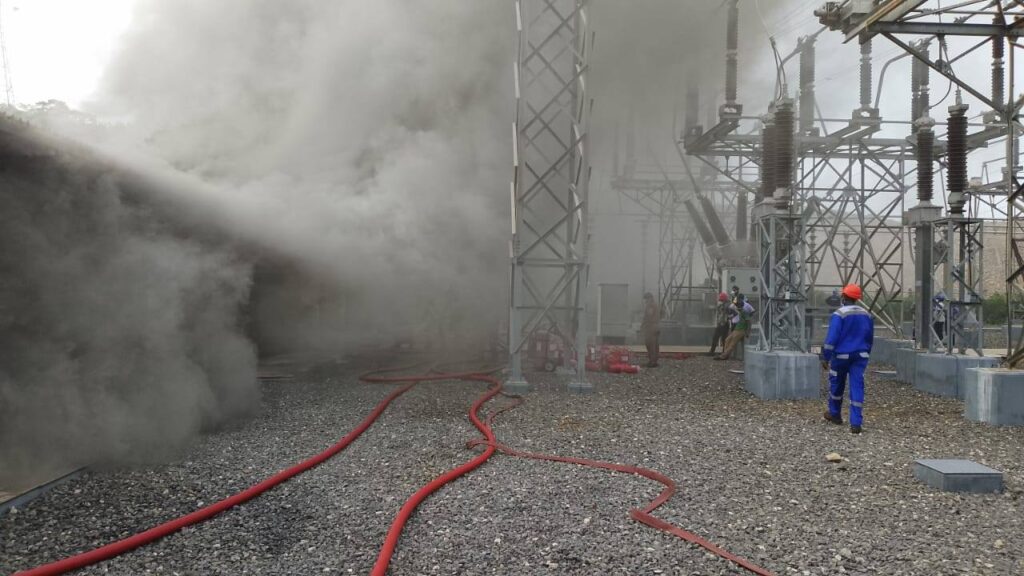
Candidly acknowledging existing shortcomings ranging from financial mismanagement within utility companies to technical losses in transmission is the first step toward recovery.
A strategy that prioritizes technical integrity over political expediency would focus on upgrading the “smart” capabilities of the national grid, allowing for real-time monitoring and more efficient power distribution across the country.
Ultimately, the path toward ending “dumsor” permanently lies in the hands of professionals and researchers who can navigate the complexities of the energy transition.
As Dr. Domfe suggests, the shift toward a greener, more resilient energy sector is not just an environmental necessity but a cornerstone of developmental economics.
By aligning technical expertise with a transparent management framework, Ghana can finally secure an energy supply that powers its economic ambitions without the interference of political cycles.
READ ALSO: EU To Subsidise Extra Cost Of Fuel For Farmers, Hauliers