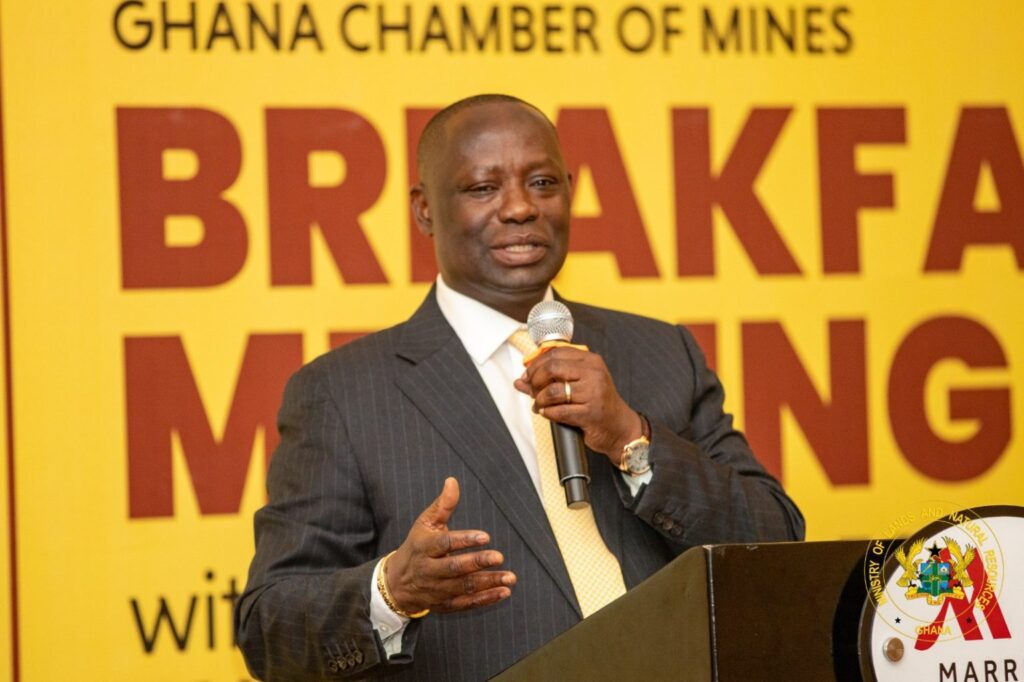
Lands and Natural Resources Minister, Emmanuel Armah-Kofi Buah, has announced that Ghana’s current drive toward building local empowerment, in-country value addition, and strategic skills transfer within the extractive industry must not be misinterpreted as an attempt to nationalise foreign-owned mines.
According to the sector minister, the state is fully dedicated to expanding a mining environment that remains highly competitive, modern, responsible, and resilient on the global stage.
This policy position seeks to assure the international investment community that the country continues to offer full regulatory, legal, and fiscal protection for international capital.
“So, let me conclude by reemphasising Ghana’s commitment to building a mining sector that is modern, responsible, resilient, and globally competitive. The opportunity before us is very important. Therefore, if we act with vision, discipline, and partnership, we can turn West Africa’s natural wealth into jobs, industries that guarantee security and lasting prosperity for our people.”
Lands and Natural Resources Minister, Emmanuel Armah-Kofi Buah
The ministerial declarations come at a critical time when intense public conversations are dominating the national discourse regarding the upcoming renewal of major mining leases and the overarching architecture of resource ownership in Ghana.
By addressing these concerns directly at the 19th edition of the West African Mining and Power Expo (WAMPEX), the sector minister sought to calm nervous markets and counter growing anxieties over regulatory interventions.
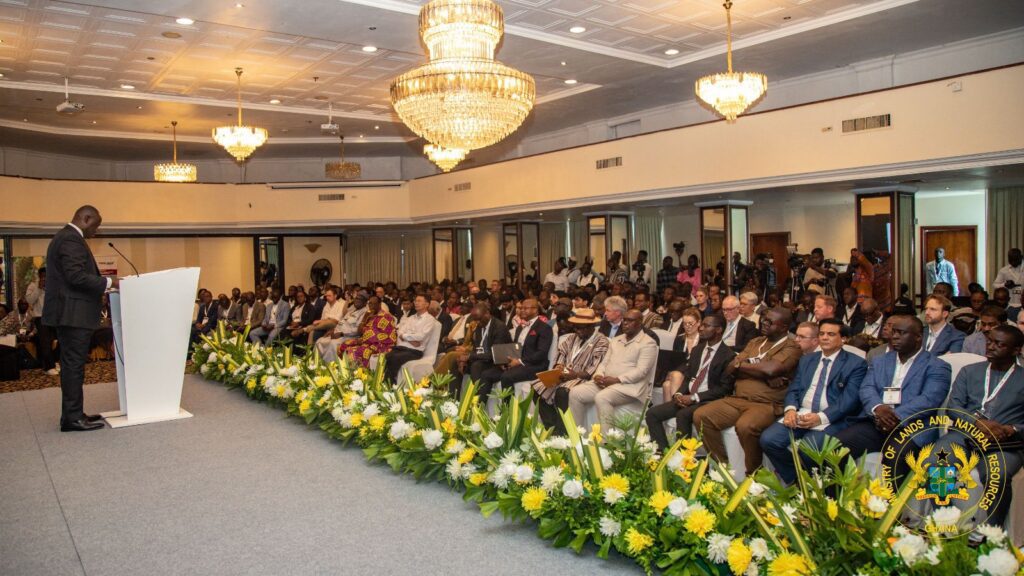
Government policy remains firmly anchored on fostering an investor-friendly climate, effectively separating structured local content enforcement from arbitrary asset expropriation.
“To our partners and our investors, I wish to reaffirm that Ghana remains committed to providing a stable, predictable, fiscal, legal certainty, and transparent environment for investors. So, forget about all the noise you’re hearing. A win-win partnership where investors get a good return on their investment and, in return, leave a lasting legacy of empowerment, value addition, and expertise cannot be nationalism of mines.”
Lands and Natural Resources Minister, Emmanuel Armah-Kofi Buah
Navigating the Lease Renewals and Resource Ownership Debates
The regulatory landscape governing Ghana’s multi-billion-dollar gold and mineral industry is currently undergoing its most significant structural shift in decades, creating an urgent need for explicit executive assurances.
High-profile deliberations over the renewal of major concessions most notably the upcoming expiration of Gold Fields’ flagship Tarkwa mining lease have triggered a wider geopolitical and domestic debate.
Simultaneously, civil society organizations and indigenous pressure groups have publicly petitioned the executive branch to reject foreign lease extensions, arguing instead that vital resource blocks should be systematically reassigned to domestic firms.
This mounting domestic pressure has created a palpable sense of policy uncertainty among global mining majors operating within the jurisdiction.
Further complicating the investment climate is the aggressive enforcement of localization frameworks by the Minerals Commission.
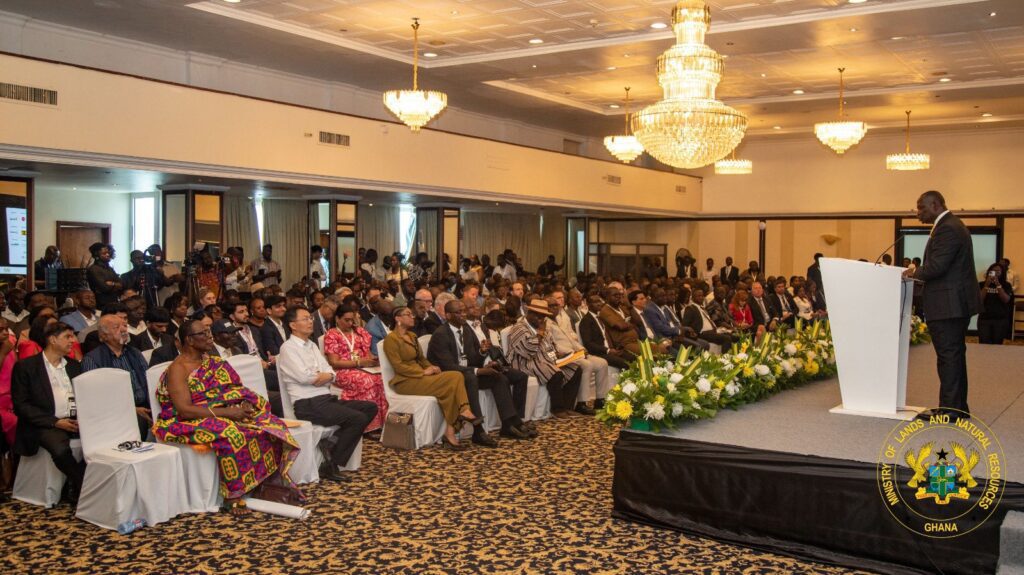
External market analysts have increasingly classified Ghana’s strict domestic procurement directives as “resource nationalism by regulation,” particularly following mandates ordering major global corporations to transition their core physical operations to local contract miners by December 2026.
Because these sweeping reforms effectively alter how multinational miners allocate long-cycle capital, the Minister’s clear distinction between progressive partnership adjustments and hostile asset takeovers is highly essential to prevent capital flight.
Re-engineering the Extractives Ecosystem for Long-Term Value
To successfully transition away from a traditional, passive royalty-collection model, the state is actively urging international operators to deepen their local investments by backing the creation of robust, value-added downstream industries.
Policymakers and regional development institutions are being mobilised to align their legal frameworks, ensuring that raw material exports are progressively replaced by domestic refining and processing capabilities.
This structural realignment is designed to directly link mineral wealth with broad-based economic industrialization, transforming finite sub-surface assets into permanent socioeconomic infrastructure.
The future viability of the West African mining ecosystem relies entirely on a disciplined balance between protecting foreign capital returns and securing tangible wealth retention for host communities.
Maintaining an investment-friendly fiscal regime allows the state to preserve its status as a premier African mining destination while simultaneously using lease evaluations to negotiate superior local employment quotas.
By acting with regulatory clarity, the state aims to convert its vast natural reserves into sustainable manufacturing jobs and integrated energy networks that guarantee long-term economic security across the sub-region.
READ ALSO: West Africa to Enforce Phytosanitary Defenses Against US$7 Billion Invasive Pests Drain