Nigeria has recorded its largest single-day rescue operation after more than 300 people abducted in separate attacks across Niger and Kwara states were freed during a coordinated security offensive, offering a rare breakthrough in the country’s prolonged battle against mass kidnappings and armed insurgency.
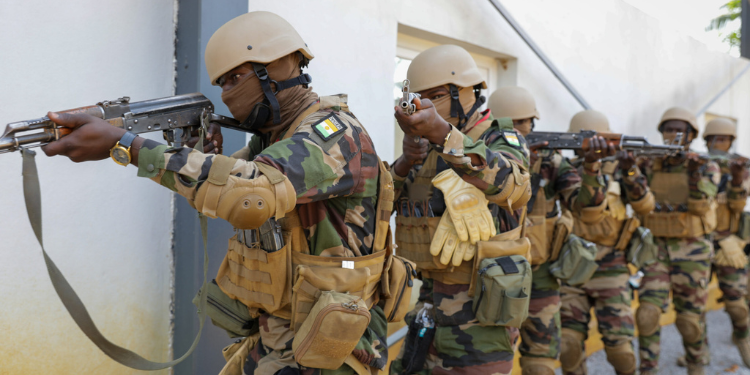
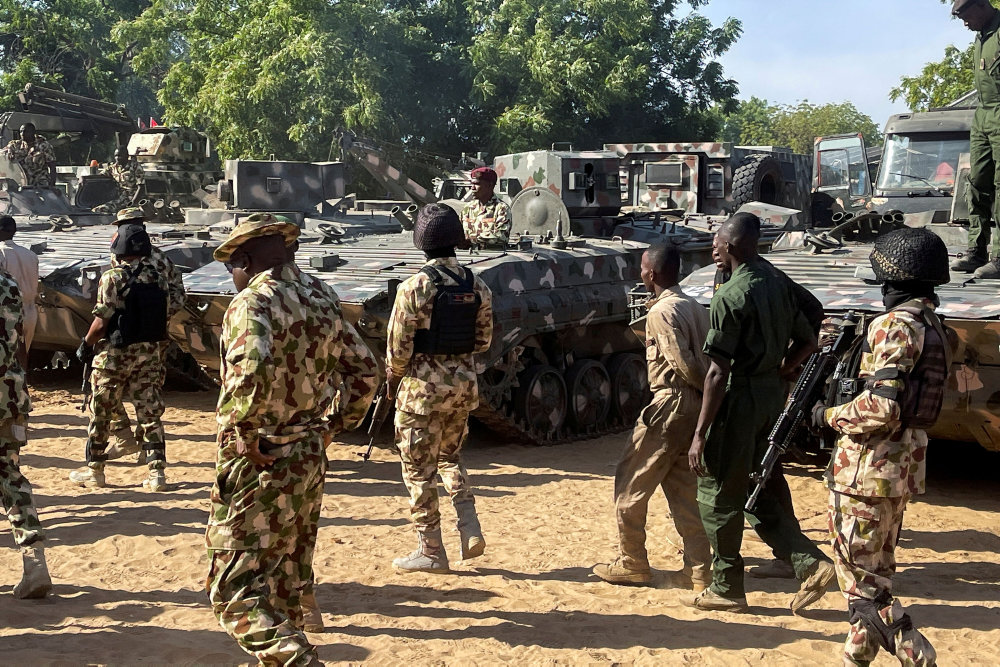
The operation, which involved the Nigerian military, police, intelligence agencies and the National Counter-Terrorism Centre, resulted in the rescue of 308 hostages who had been held by armed groups operating in and around the Kainji Lake National Park in Niger State.
The development has been hailed by the federal government as evidence of improving coordination among security institutions, even as concerns continue to mount over the growing reach of violent extremist groups and criminal gangs across the country.
According to the Presidency, those rescued included 163 people abducted during a deadly February assault on the Woro community in Kwara State, where dozens of residents were killed. Another 145 victims had been kidnapped in separate attacks in neighbouring Niger State before they were traced and rescued during the large-scale security operation.
Officials indicated that the victims were receiving medical attention and psychological support at a military facility before being reunited with their families. The government, however, have not disclosed whether any members of the armed groups responsible for the kidnappings were arrested or killed during the rescue mission.
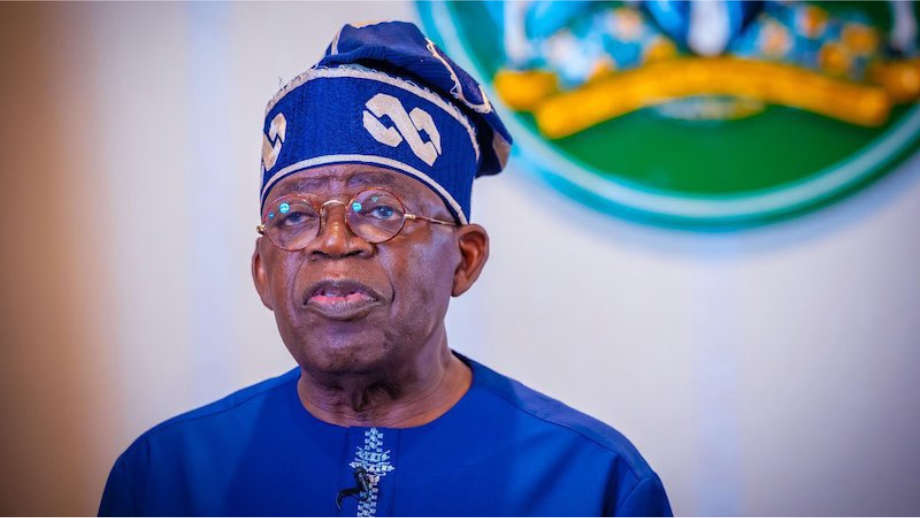
Announcing the development, Presidential Spokesman Bayo Onanuga stated that President Bola Ahmed Tinubu had welcomed the successful operation, describing it as an important milestone in Nigeria’s efforts to tackle insecurity.
“President Bola Ahmed Tinubu warmly welcomes the successful rescue of 308 Nigerian citizens who were abducted in different attacks in Niger and Kwara states.”
Bayo Onanuga
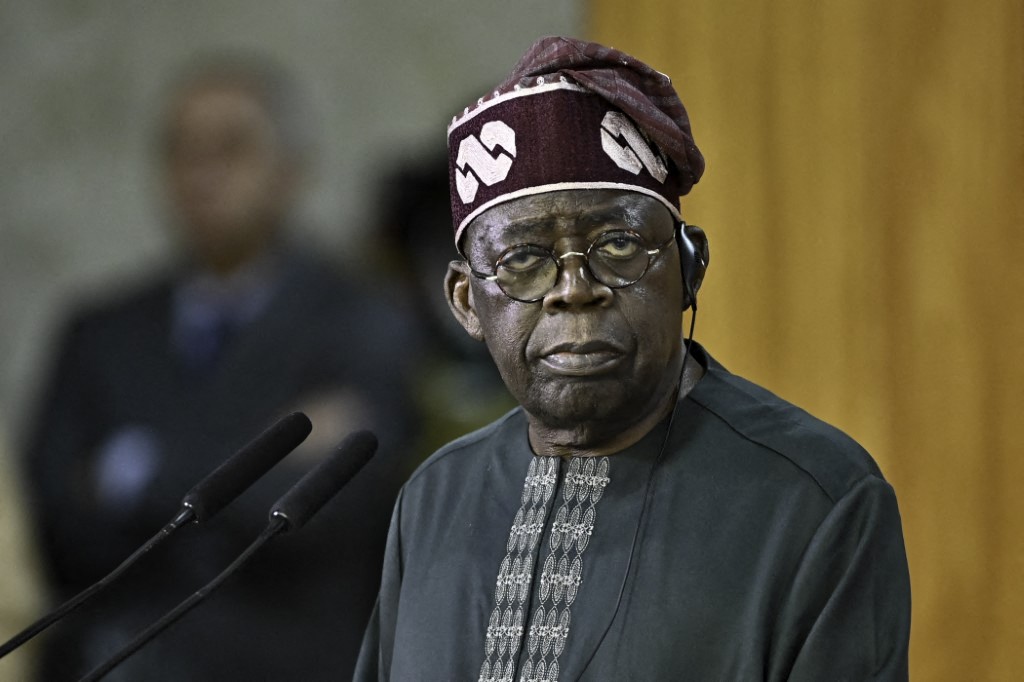
He added that it was “the largest rescue operation ever carried out” in a single day.
President Tinubu noted that the mission demonstrated the growing effectiveness of intelligence sharing and operational cooperation among Nigeria’s security agencies, which have come under sustained criticism in recent years over their inability to stem rising kidnappings, terrorist attacks and communal violence.
The rescue comes at a time when Nigeria continues to face multiple security crises stretching from the insurgency in the northeast to widespread banditry, kidnappings for ransom and attacks on rural communities across several regions.
Although the country has recorded military successes against extremist groups in recent months, criminal networks continue to exploit vast forests and remote territories to launch attacks and establish hideouts.
The Kainji Lake National Park, where the rescue operation was centred, has increasingly been identified by security analysts as one of the areas used by armed groups to conceal hostages following kidnappings. Its expansive forests spanning parts of Niger and Kwara states have presented significant operational challenges for security forces because of difficult terrain and limited infrastructure.
The latest rescue is therefore being viewed as both an operational achievement and a test of Nigeria’s evolving counterterrorism strategy, which increasingly relies on coordinated intelligence gathering and joint military operations rather than isolated security deployments.
Woro Massacre, Rising Abductions Renew Security Fears
Among those rescued were survivors of one of Nigeria’s deadliest attacks this year the February assault on Woro community in Kwara State that shocked the nation and drew widespread international condemnation.
According to the Nigerian government, armed jihadists stormed the village demanding that residents reject the authority of the Nigerian government and abandon the country’s constitution in favour of the militants’ own ideological teachings. The attack appeared aimed not only at intimidating local communities but also at imposing an alternative system of governance under extremist control.
Amnesty International documented harrowing scenes after the massacre, reporting that many victims were discovered with their hands and feet tied. Some had reportedly had their throats slit, while others were shot dead.
The Nigerian government blamed Boko Haram for carrying out the attack, although the militant group has not publicly claimed responsibility.
The successful rescue of the Woro hostages provides relief for dozens of families who had spent months waiting for news of their loved ones. However, the incident also highlights the continuing threat posed by armed extremist organisations and criminal groups that remain capable of launching coordinated attacks against civilian communities.
The operation follows another significant rescue only weeks earlier, when 44 pupils and teachers abducted during an attack on a school in Oyo State were freed after spending more than 50 days in captivity. Their release came after a month-long security operation involving multiple government agencies.
Together, the two rescue missions reflect both the scale of Nigeria’s kidnapping crisis and the increasing pressure on security forces to deliver tangible results.
Security experts have warned that the pattern of recent attacks suggests that insecurity is no longer confined to Nigeria’s traditional conflict zones in the northeast, where Boko Haram and Islamic State West Africa Province (ISWAP) have long maintained strongholds. Instead, kidnappings and violent attacks have increasingly spread into north-central states and parts of southern Nigeria, creating fresh challenges for law enforcement agencies.
The expansion of armed violence into previously less-affected regions has heightened fears among residents, businesses and humanitarian organisations, many of which have called for stronger preventive security measures rather than relying solely on rescue operations after attacks occur.
While the government has celebrated the rescue of more than 300 hostages as a landmark success, analysts note that sustaining such gains will require continued intelligence-driven operations, stronger protection for vulnerable communities and efforts to dismantle the networks that finance and coordinate kidnappings across the country.
READ ALSO: Political Scientist Warns Party Dues Could Decide Who Votes In Primaries