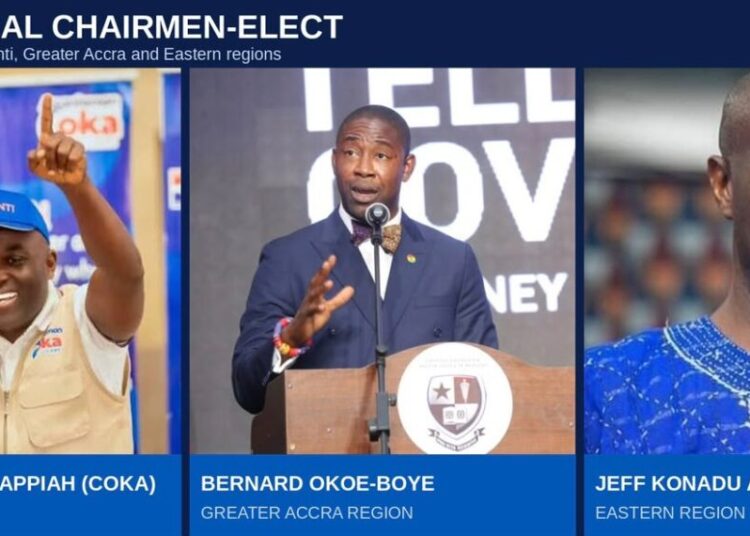
The NPP Communications Director, Richard Ahiagbah, has described the newly elected regional executives across the 16 regions as a strong reflection of the party’s collective choice and preparation for the 2028 general elections. He explained that constituency executives selected leaders they believed could provide the coordination, resources and direction required to strengthen the party at the regional level.

The Communications Director noted that the new regional chairmen emerged after undergoing scrutiny by party members during the election process. Their selection, he indicated, was based on the vision and proposals presented to constituency executives and the ability of the candidates to work with grassroots structures.
According to Mr Ahiagbah, the regional leadership is expected to translate the expectations of polling station executives into practical organisational work. He emphasised that the ultimate objective remains to position the party to compete effectively in the 2028 presidential and parliamentary elections.
“These are the choice of our people, in line with the objective of the party, which is to win election in the 2028 presidential and parliamentary elections.”
RIchard Ahiagbah
Analysing the outcome, the Communications Director linked the emergence of new faces in several regions to changes within the party’s leadership landscape. He referenced Ashanti, Central and Greater Accra as examples where changes in the regional leadership followed different circumstances involving previous office holders.
In Ashanti Region, Mr Ahiagbah explained that the emergence of a new chairman followed the decision of the former regional chairman, Bernard Antwi Boasiako, popularly known as Wontumi, not to contest the position. Central Region also produced a new face following the death of the former chairman and the subsequent period in which the First Vice Chairman acted in the position.
Greater Accra equally recorded a change after its previous chairman opted against seeking another term. Similar developments occurred in Oti and Western North regions, where new personalities emerged to take responsibility for the party’s regional structures.
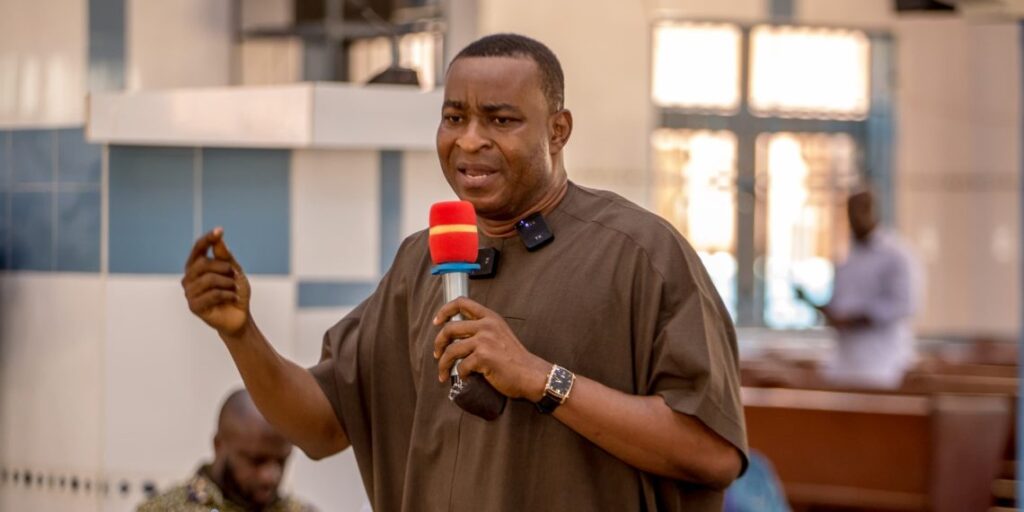
The changes create an opportunity for the NPP to introduce new and dynamic energy while retaining institutional experience within its regional leadership. He added that several of the new executives have previously worked in different capacities within the party and therefore bring organisational knowledge to their new responsibilities.
National Elections Open New Phase of NPP Reorganisation
The NPP has also begun another stage of its internal reorganisation with the opening of nominations for the national executive elections. The process is expected to determine the national leadership that will oversee the party’s activities as it prepares for the 2028 electoral contest.
Mr Ahiagbah disclosed that nominations for the national executive positions opened on the day of his interview and were expected to remain open for three days. Filing of nominations, he explained, was scheduled to close later in the month before the vetting process begins.
The Communications Director, who is seeking the position of First Vice Chairman, outlined the stages leading to the national elections. He indicated that vetting would be followed by a National Council meeting to announce the outcome before the party proceeds towards the election date.
From his perspective, completing the constituency, regional and national elections within the scheduled period would give the party a fully reorganised internal structure. The process is to establish a new organisational direction ahead of the next general election.
The regional elections have generated renewed enthusiasm among members and strengthened the atmosphere surrounding the party’s internal activities. This momentum, according to him, could provide a useful foundation for the national executives as they assume responsibility for the next phase.
“The environment in the party is ripe. There is absolute unity rising from all these organisations, and I think that we will be in a strong position.”
Richard Ahiagbah
Referencing the 2024 election results, Mr Ahiagbah acknowledged that the new regional executives face a substantial organisational task. He explained that the party needs leaders who can develop a fresh approach to grassroots mobilisation and improve coordination across the 16 regions.
The challenge extends to regions where the NPP experienced significant electoral setbacks in 2024. Greater Accra, Central, Western and parts of the Ashanti Region therefore require renewed organisational attention as the party works towards rebuilding its electoral strength.

Moreover, the Communications Director argued that the new regional leadership combines experienced party figures with executives who have previously contributed to the organisation in different roles. Such a combination, he suggested, could help the party preserve institutional knowledge while introducing new methods of organising.
Attention will now shift to the national executive elections as candidates complete the nomination and vetting stages. The outcome will determine the leadership team responsible for coordinating the party’s national structure during the next phase of its preparations.
Mr Ahiagbah also linked the internal restructuring to the NPP’s stated ambition of returning to government in 2028. He expressed confidence in the party’s ability to strengthen its parliamentary position while supporting the presidential ambitions of Dr Mahamudu Bawumia.
The final phase of the reorganisation is therefore expected to place greater emphasis on coordination between national, regional and constituency structures. With the internal elections progressing, the party is preparing to move from leadership selection towards the wider task of rebuilding its electoral machinery.
The Communications Director consequently positioned the ongoing elections as an important step in preparing the party for the next electoral cycle. He conveyed optimism that the emerging leadership structure would provide the organisation with the energy and coordination required for the political contest ahead.