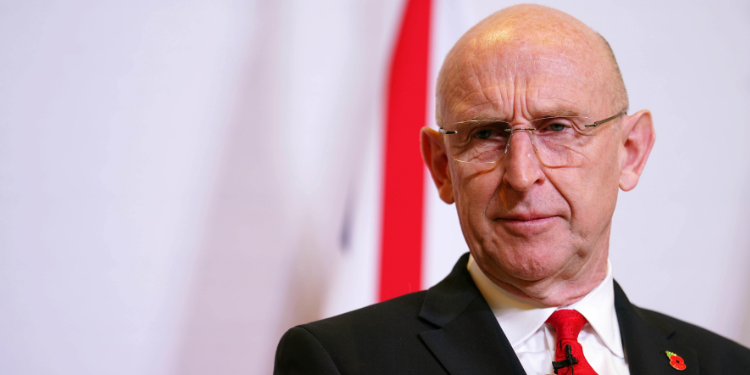
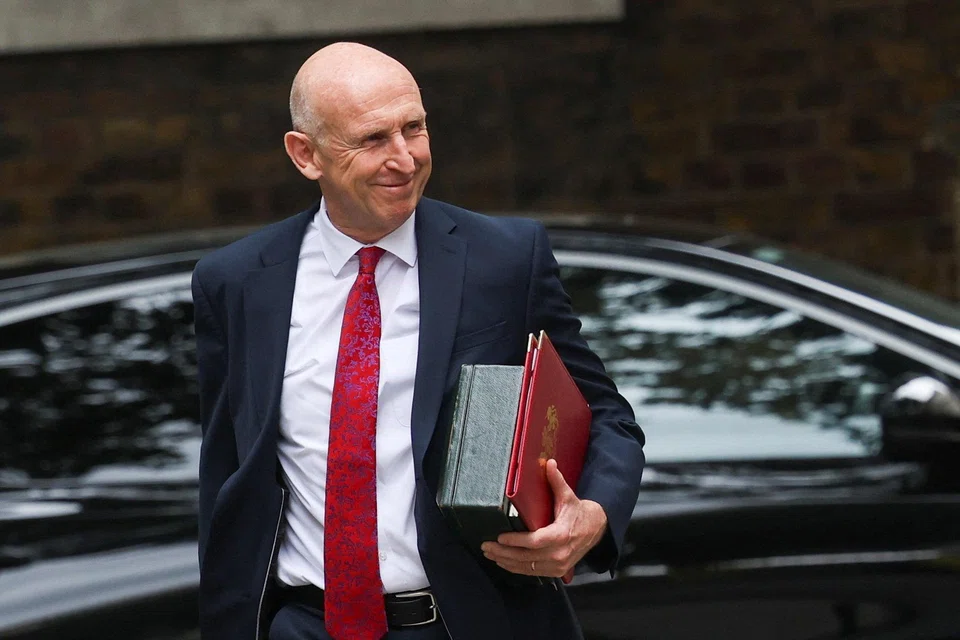
UK Chancellor John Healey has come under mounting pressure to outline how the government will restore stability to the nation’s finances after official figures showed public borrowing rose unexpectedly ahead of his first Budget.
Government borrowing reached £1.8 billion in July, according to figures from the Office for National Statistics (ONS), significantly exceeding expectations and underscoring the difficult fiscal environment confronting the new Labour administration.
The latest figure was £700 million, or 68.7%, higher than the amount borrowed during the same month a year earlier, confounding forecasts that had pointed to a much stronger position for the public finances.
Economists had expected the government to record virtually no borrowing in July, while the independent Office for Budget Responsibility (OBR) had forecast a £500 million surplus for the month. Instead, the government was forced to borrow despite receiving a record amount in income tax during the traditionally strong month for tax receipts.
The figures have intensified scrutiny of Healey as he prepares to deliver his first Budget on 28 October, with the Chancellor under pressure to balance competing demands for higher public spending, economic growth and fiscal restraint.
The challenge is particularly significant because the government has repeatedly sought to reassure financial markets and the public that it remains committed to controlling the deficit while creating room for investment and measures aimed at easing household financial pressures.
According to Chancellor John Healey, “fiscal discipline is the bedrock of our UK economic stability and national security, which is why we are committed to meeting our fiscal rules, with a buffer against global uncertainties.”
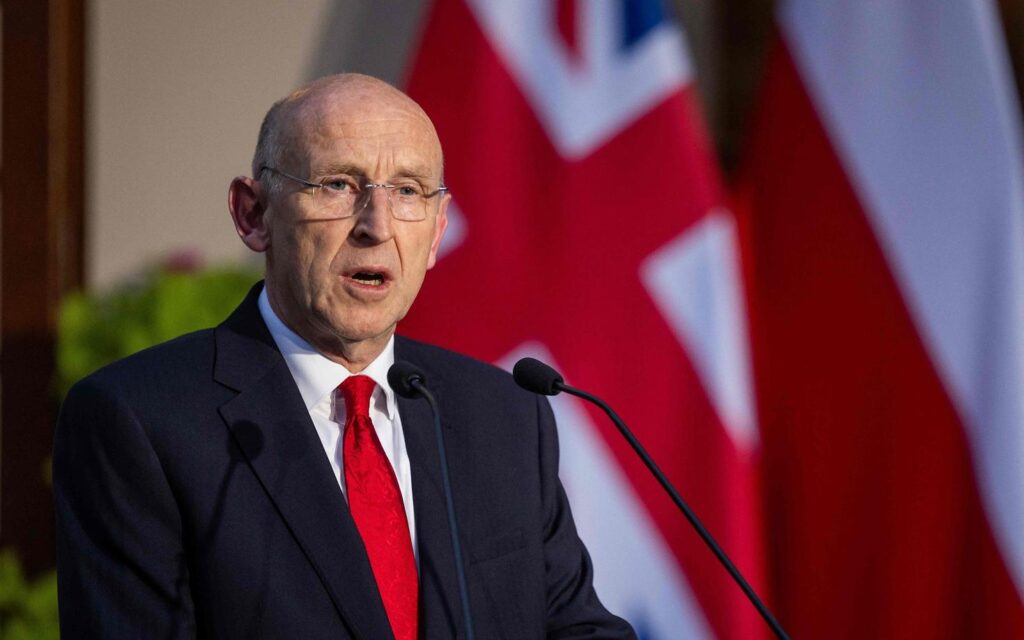
“We are cutting the deficit faster than any other G7 economy while giving people a bit of breathing space with cost-of-living pressures and focusing support to get young people into work.”
John Healey
However, the latest borrowing figures indicate that the government’s fiscal position remains under considerable strain, with expenditure continuing to rise faster than some key sources of revenue.
Public borrowing during the first four months of the financial year reached £56.7 billion. Although that was £6 billion, or 9.6%, lower than during the corresponding period a year earlier, it was still higher than the OBR had anticipated.
The improvement compared with the previous year was partly supported by a £2.7 billion downward revision to borrowing figures covering the preceding three months.
Nevertheless, the overall level of borrowing remains a significant concern for policymakers as the government approaches its first major fiscal statement under the new leadership.
Britain’s total public debt has now climbed to just below the £3 trillion mark, standing at £2.985 trillion. The figure represents 94.1% of the country’s gross domestic product, highlighting the limited room available to the government if it wants to increase spending without putting additional pressure on borrowing.
The July figures also reveal the growing cost of servicing that debt.
Government interest payments increased by £700 million compared with the same month last year, reaching £7.7 billion. The rise means a larger share of public resources is being directed towards servicing existing debt rather than funding public services or new investment.
At the same time, spending on social benefits increased by £2 billion compared with a year earlier, adding to the pressure on the government’s finances.
The spending increases came despite stronger tax receipts. Income tax receipts reached £17.1 billion in July, representing a £1.7 billion increase compared with the same month last year.
July is traditionally an important month for income tax collection because of the second self-assessment payment deadline at the end of January’s tax year cycle. The ONS, however, noted that some delayed self-assessment payments could be reflected in August’s figures rather than July’s data.
Grant Fitzner, Chief Economist at the ONS, revealed that the latest figures showed that increased government expenditure had outweighed stronger revenues.
“Borrowing was slightly higher this month than in July last year, with spending growth outpacing higher receipts, including from self-assessed taxes which often feed in more strongly in July.”
Grant Fitzner
The figures therefore present Healey with a difficult balancing act. While stronger tax receipts suggest that government revenues are benefiting from economic activity, the pace at which public spending and debt-servicing costs are increasing threatens to offset those gains.
John Healey Under Pressure to Raise Revenue
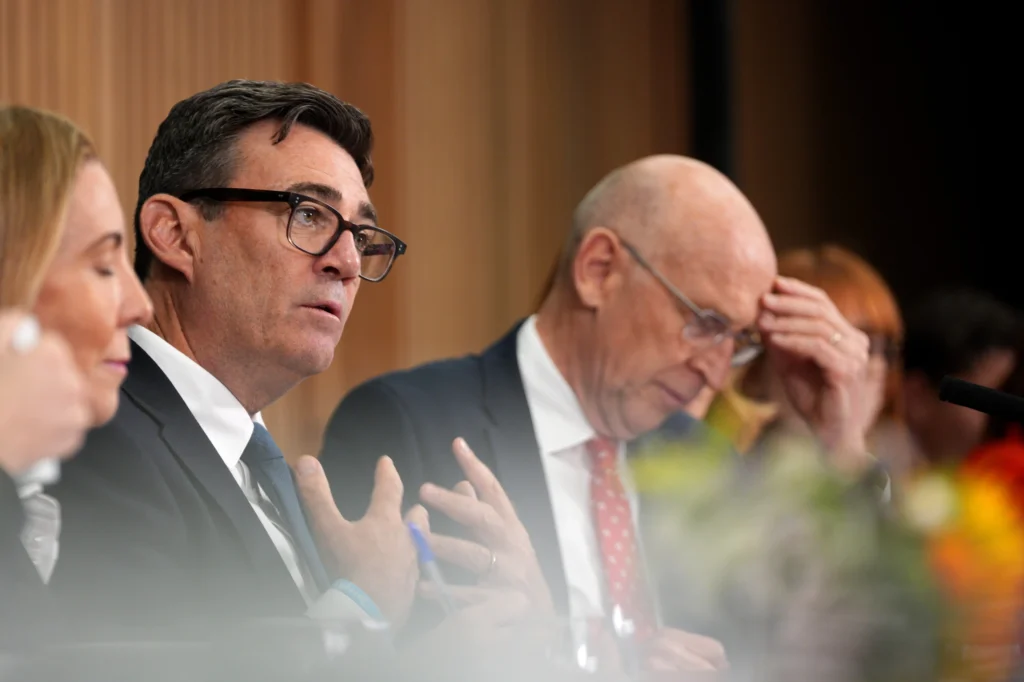
The borrowing figures arrive at a politically important moment for the Labour government, with Prime Minister Andy Burnham seeking to reshape the way economic policy is managed from the centre of government.
Days before the latest figures were released, Andy Burnham noted that a new Manchester-based satellite office of Downing Street would assume responsibility for driving economic growth, while the Treasury would concentrate more heavily on controlling the public finances.
In an interview, Burnham argued that giving the Treasury responsibility for both promoting growth and maintaining control of the public finances had weakened its ability to achieve either objective effectively.
The proposed change reflects Burnham’s broader effort to move economic policymaking beyond Westminster and give greater influence to regions outside London. But it also creates an important test for the government’s ability to coordinate its growth ambitions with Healey’s responsibility for maintaining fiscal stability.
The latest borrowing figures suggest that the two objectives could prove increasingly difficult to reconcile.
Higher spending on benefits, alongside rising debt-interest costs, is limiting the government’s ability to redirect resources towards investment without either increasing revenue or borrowing further. Meanwhile, pressure to address the cost of living and improve public services could make significant spending reductions politically difficult.
Thomas Pugh, chief economist at RSM UK, warned that the government’s financial position could require difficult decisions on taxation.
He explained that taxes would need to rise if the government was to keep the nation’s finances on track, while rising yields on government bonds were also increasing the long-term cost of borrowing.
The warning presents a potentially uncomfortable prospect for the Labour government ahead of the October Budget. Raising taxes could provide additional revenue and help protect the government’s fiscal targets, but it could also place further pressure on households and businesses at a time when ministers are attempting to support economic growth.
Conversely, choosing not to raise taxes could leave the government with fewer options for financing its spending commitments while maintaining a sufficient buffer against unexpected economic shocks.
READ ALSO: GRA Pushes for Data-Driven Collection to Improve Tax Reforms