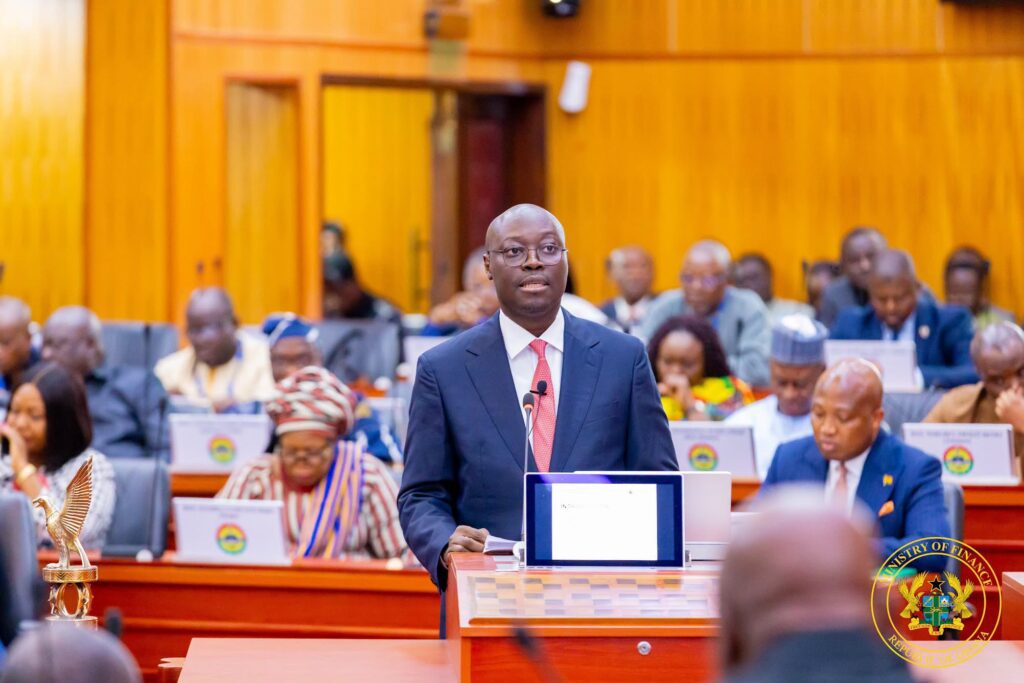
Finance Minister Dr Cassiel Ato Forson has invited Ghanaians to state what they want prioritised in the 2027 Budget, turning public expectations into an early part of a budget process already shaped by spending limits and competing demands.
In a post on Thursday, September 24, he asked, “What are your expectations for the 2027 Budget? What would you like us to prioritise?” He added, “This is your Budget.” The appeal creates a direct channel for citizens to raise concerns before the government presents its fiscal programme for next year.
The timing is economically important. The Ministry of Finance circulated the 2027-2030 Budget Preparation Guidelines on August 31 under Ghana’s public-finance framework. The guidelines do more than set a timetable: they provide medium-term expenditure ceilings for ministries, departments, agencies and local assemblies.
That means public demands are entering the process at the same time spending institutions are being told to plan within defined fiscal envelopes. This makes the consultation more consequential than a simple request for ideas.

Ghana is trying to move from stabilisation towards investment, production and job creation without reopening the fiscal pressures that contributed to debt distress. The 2027 Budget must therefore reconcile two legitimate objectives: responding to priorities that affect everyday life and preserving the expenditure discipline needed to keep the recovery credible.
Public Voice Meets Hard Budget Constraint
The central economic question is not whether citizens can identify worthwhile priorities; it is how government ranks them when resources are limited. Roads, schools, health services, agriculture, jobs, transport, energy and business support can all make credible claims on the budget, but every new commitment carries an opportunity cost.
More spending in one area can mean less room elsewhere, higher revenue needs or additional financing requirements. That is why the expenditure ceilings matter. As Vaultz News has previously argued, Ghana’s fiscal test is shifting from headline targets to spending control.
Budget credibility will depend on whether ministries keep commitments within approved limits, prevent arrears from rebuilding and protect high-return investment rather than treating ceilings as starting points for later expansion.
Jobs Will Test the Financing Model
Employment is likely to feature prominently in the 2027 policy conversation because government has already signalled a shift towards productive sectors and private-sector-led growth.
But the economic quality of a jobs programme depends on more than the number announced. It depends on whether financing creates durable productive capacity, raises firm-level investment and supports employment that can survive after public support ends.
That financing question is already visible in the government’s emerging growth agenda. Vaultz News has examined the fiscal implications of the proposed US$2 billion annual jobs plan, where the crucial distinction is between direct budget spending and financing structures that mobilise private capital. The November Budget will need to make that distinction clear because guarantees, concessional finance and public-private arrangements can still create fiscal exposure even when they do not appear as immediate expenditure.
Revenue Will Decide How Much Can Be Done
Public priorities also cannot be separated from revenue performance. Stronger economic growth expands the tax base over time, but it does not automatically produce enough revenue to fund every new programme.
Recent data have shown that revenue and grants can still fall short of programme targets even when output growth remains firm. That gap matters because spending promises without dependable financing eventually reappear as borrowing, arrears or cuts elsewhere. For the 2027 Budget, the quality of revenue mobilisation will therefore be as important as the scale of expenditure proposals.

The available choices carry different economic effects: broader compliance and stronger administration can raise collections without changing headline tax rates, while new levies or rate increases can affect household purchasing power and business costs.
The financing mix will help determine how much of the public agenda can be implemented without adding pressure elsewhere in the fiscal framework.
Consultation Must Be Visible in the Final Choices
Ato Forson’s invitation gives citizens a chance to shape the debate before final allocations are set. But the real measure of consultation will come later: whether the Budget explains which concerns were prioritised, which were deferred and why. That transparency matters because no credible budget can satisfy every request in a single year.

For fiscal credibility, the relevant test will therefore be how the final Budget connects public priorities to financing, sequencing and measurable outcomes. Choices that expand productive capacity can support future revenue and employment, while commitments without durable financing can create arrears, borrowing needs or pressure for later expenditure cuts.
The Minister has opened the door by asking citizens what matters most. The next test is whether those voices can be translated into disciplined choices that the state can finance and deliver.
READ ALSO: Gov’t Positions Economic Zones as Drivers of Jobs and Exports