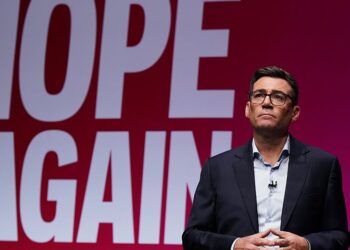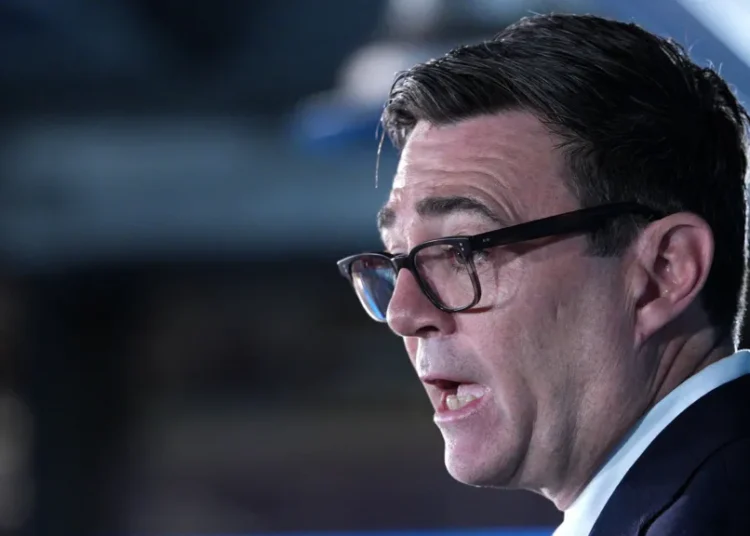
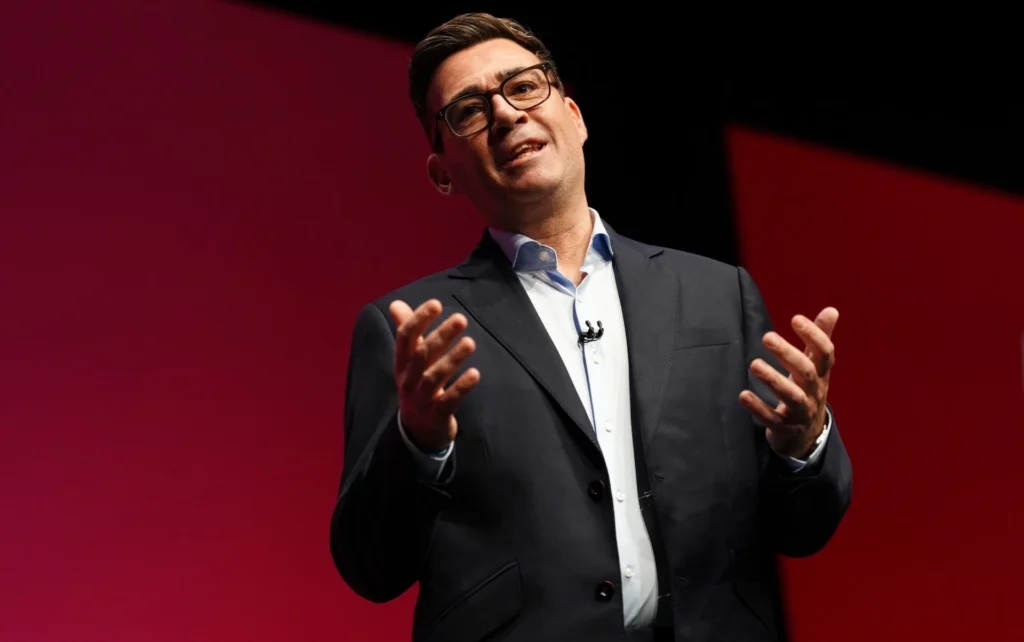
UK Prime Minister Andy Burnham is set to urge MPs across the political divide to support closer relations between the United Kingdom and the European Union, arguing that refusing to pursue a better agreement with Brussels would amount to a “dereliction of duty.”
Burnham is expected to use his address to the House of Commons to renew his call for a reassessment of Britain’s post-Brexit relationship with the bloc, presenting closer cooperation as an opportunity to strengthen economic growth, improve trade relations and address illegal immigration.
The Prime Minister’s position follows his address to the Labour Party conference last month, where he argued that Brexit had done “more harm than good” and indicated that the government would examine options for bringing Britain closer to the EU, including the possibility of seeking membership again in the future.
According to a Downing Street Spokesperson, the Prime Minister recognised why some politicians remained reluctant to revisit the debate.
“Andy understands why some politicians don’t want to face up to the reality that Brexit has not delivered what they once promised. But it is time for a different conversation about what our long-term relationship should be.”
A Downing Street Spokesperson
At the Labour conference, Andy Burnham argued that it was no longer sufficient to leave Britain’s future relationship with the EU unresolved.
He pledged to examine the “pros and cons” of the available options, signalling that the government would consider the potential benefits and costs of different arrangements rather than rule out possibilities in advance.
A summit scheduled for November is expected to provide an opportunity to advance negotiations on areas including trade and migration, while leaving the longer-term question of membership unresolved.
Burnham Raises Prospect of Closer UK-EU Ties
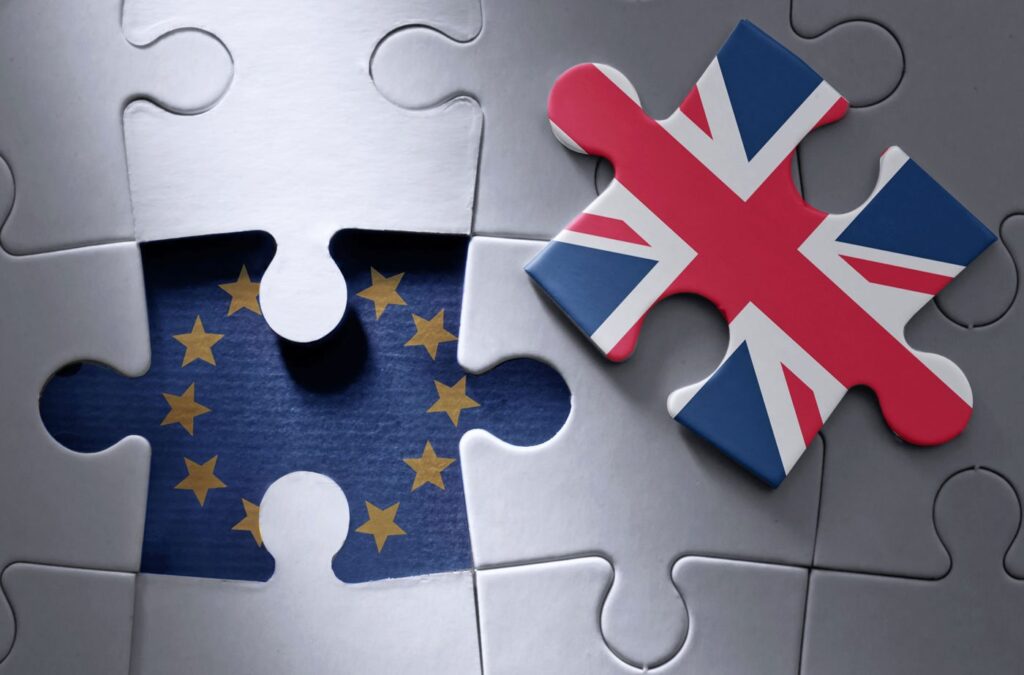
The Prime Minister’s address comes as MPs prepare to debate a public petition calling for Britain to apply to rejoin the European Union. The petition attracted more than 111,000 signatures, bringing renewed attention to the question of whether the UK should eventually seek membership again.
Burnham’s willingness to consider that possibility has received support from some European leaders, including French President Emmanuel Macron and Spanish Prime Minister Pedro Sánchez, who have welcomed the prospect of a more constructive relationship between London and Brussels.
According to recent polling conducted, nearly three-quarters of Labour voters want the party to include talks about rejoining the EU in its next general election manifesto.
The survey also found that voters for most major political parties supported including a commitment to seek EU membership in their parties’ next manifestos. Reform UK was the exception, with its voters opposing such a commitment.
The findings suggest that the question of closer relations with Europe is no longer confined to political discussions within Labour, although support for exploring membership does not necessarily mean voters agree on the terms or consequences of rejoining.
Any return to the bloc would also involve substantial negotiations. EU leaders have indicated that Britain should not expect to recover the special arrangements it secured during its previous membership.
President Macron has warned against the prospect of a halfway arrangement that would allow Britain to enjoy the benefits of membership without meeting the associated obligations. Former EU officials have similarly cautioned that the UK would not be granted exceptional terms if it sought to rejoin.
Among the potential complications are the possibility that Britain could be required to adopt the euro, join the Schengen passport-free area and surrender the budget rebate negotiated by former prime minister Margaret Thatcher in 1984. The rebate reduced Britain’s contribution to the EU budget by approximately 66%.
These conditions could make a return to membership politically and economically contentious, even if public support for closer relations continues to grow.
Russia Interference Claims Revive Concerns
Burnham’s push to reconsider Britain’s relationship with the EU has coincided with a separate controversy over his claim that Russia interfered in the 2016 Brexit referendum, bringing questions about foreign influence and the integrity of democratic processes into the wider political discussion.
In an interview, Burnham disclosed that he had asked about possible Russian involvement after entering Downing Street and received what he described as a clear confirmation that interference had occurred.
Burnham argued that the extent of foreign interference had not been adequately communicated to the public and that Britain needed to be more direct about the threat posed by overseas actors seeking to disrupt democratic processes.
He also raised concerns about Russian-linked misinformation and disinformation in other European countries, particularly France and Germany. During a visit to Germany, Burnham discussed the issue with Chancellor Friedrich Merz, including concerns about the political influence of the far-right Alternative for Germany party.
However, the Prime Minister did not provide details of the evidence behind his claim about the Brexit referendum or specify the nature and extent of Russia’s alleged activities.
The remarks have reignited attention on a 2020 report by Parliament’s Intelligence and Security Committee, which criticised successive governments for failing to thoroughly analyse or fight the possible threat of Russian influence in UK elections and referendums. The report did not reach a definitive conclusion on whether Russia had influenced the outcome of the Brexit vote.
The pro-Brexit campaign group Britain Unbound rejected Burnham’s comments as an attempt to undermine the legitimacy of the 2016 referendum result. While acknowledging that foreign interference in British elections was unacceptable, the group argued that there was no good reason to believe Russian intervention had determined the outcome and described suggestions that voters had been easily misled as insulting.
READ ALSO: Kapor Raises Concerns Over Ghana’s Poor Football Pitches