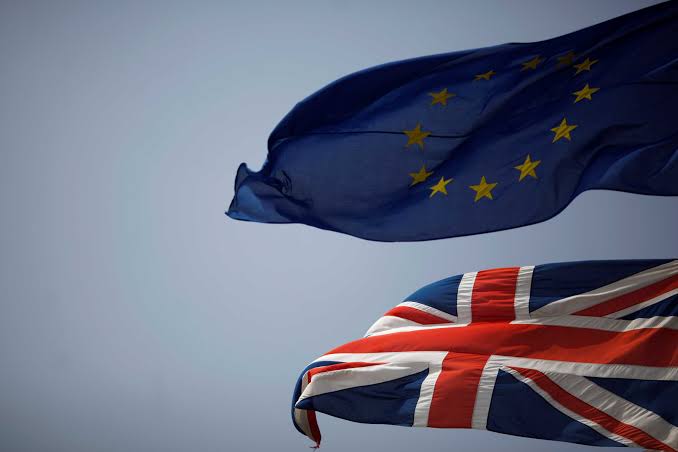
The Institute for Public Policy Research (IPPR) has urged United Kingdom to work towards regaining full membership of the European Union (EU), arguing that escalating Russian aggression and uncertainty surrounding US President Donald Trump’s foreign policy have made closer European integration increasingly important for Britain’s prosperity, security and democracy.
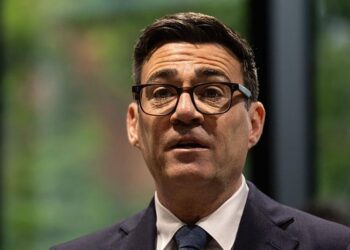
In a new report, the think tank called on Prime Minister Andy Burnham to build a national consensus to rejoin the bloc, arguing that a series of individual agreements with Brussels would not adequately address the country’s economic and geopolitical challenges.
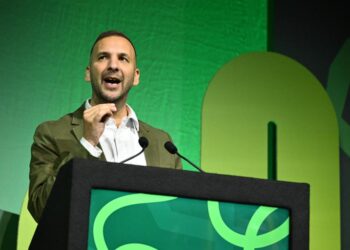
According to Harry Quilter-Pinner, Executive Director of the IPPR, the government has made important progress in repairing relations with Europe.
“But a series of individual deals will not be enough. There is one option which is best for the UK’s relationship with Europe: membership of the EU.”
Harry Quilter-Pinner
He added that the proposal did not require an immediate referendum but would involve building political support in Britain and across Europe for eventual re-entry.
IPPR’s position is supported by polling commissioned with Persuasion UK, which found that 64% of respondents who expressed a view favoured UK regaining EU membership, compared with 36% who opposed it.
Global Security Concerns Strengthen Case for Britain to Rejoin EU
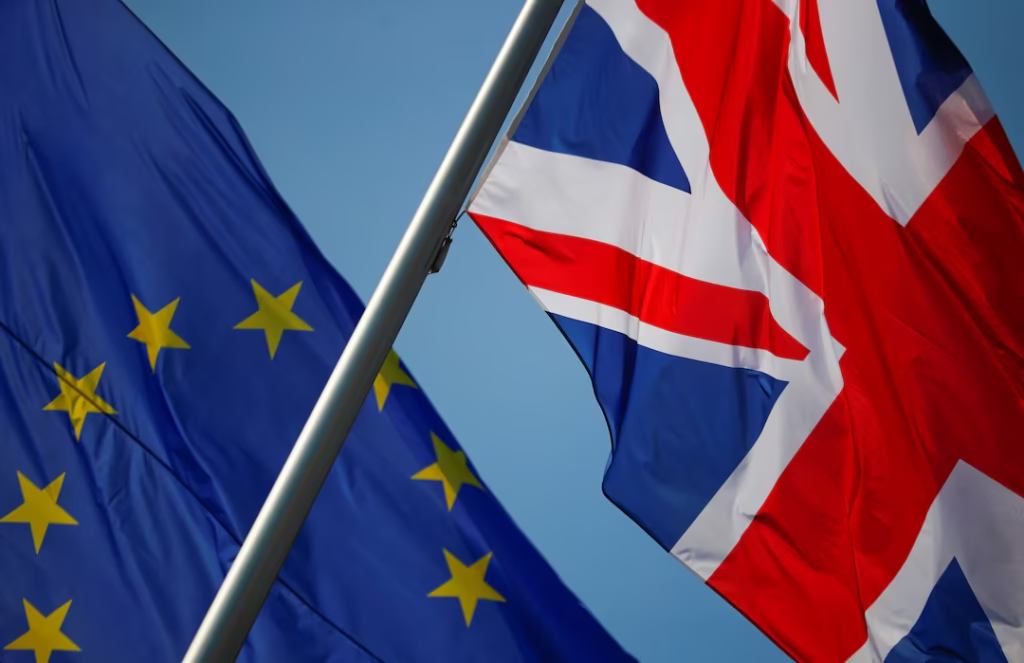
The IPPR argued that the changing international security environment has fundamentally altered the circumstances surrounding Britain’s relationship with Europe, making closer integration necessary to address threats that the country cannot effectively manage alone.
Russia’s ongoing war against Ukraine and uncertainty over Washington’s commitment to European security have intensified discussions about the continent’s ability to defend itself and reduce its reliance on the United States.
The report also highlighted EU’s growing role as a security and defence actor, noting that increased defence spending across Europe has implications not only for military preparedness but also for industrial capacity and supply chains.
It maintained that Britain’s continued exclusion from the bloc limits its ability to contribute fully to collective European responses to emerging security challenges.
Moreover, IPPR proposed that UK work with European partners to establish a European Defence Alliance, with Britain contributing capabilities that could help the continent reduce its dependence on the United States, including satellite communications.
Former Labour leader Neil Kinnock endorsed the report, indicating that “as the IPPR says and every sensible citizen knows, the world has changed traumatically in 10 years.”
“That reality, together with our proximity to our biggest market, says that the rational course is for the UK to join the EU again in the national interest. Patriotism, prosperity and security all propel the UK in that direction.”
Neil Kinnock
Kinnock had previously argued that rejoining the bloc is the “only patriotic thing to do” for Britain and expressed support for Burnham as a potential leader to pursue that objective.
Think Tank Calls for New Approach to UK-EU Ties
IPPR also maintained that renewed EU membership could strengthen Britain’s ability to protect households against cost-of-living pressures, revive industrial activity and respond to economic challenges, including artificial intelligence and competition from China.
Laura Chappell, Associate Director at the think tank, stated that “it’s time to stop talking about Brexit and focus entirely on the future.”
“A lot has changed over the past decade. The Prime Minister has said his mission is to give people back control, but Britain can’t do that alone anymore.
“Whether it’s protecting households from swings in the cost of living, restarting industry, or keeping us secure, we lack the weight to act alone. In today’s world, we can’t take back control while being an outsider in Europe.”
Laura Chappell
The report’s recommendations come as the Prime Minister has indicated that an in-out referendum on EU membership could feature in Labour’s next general election manifesto, describing the prospect as “possible.”
However, he also revealed at the party’s annual conference last month that his government would consider other ways of bringing Britain closer to the bloc, leaving the precise direction and pace of its European policy open to further debate.
Former Conservative Minister Nick Boles welcomed the IPPR’s assessment, arguing that the international environment had changed considerably since Brexit.
“At last a report that recognises how much has changed in the world since Brexit,” he stated.
Nick Boles added that Britain needed a much closer relationship with European allies to address shared defence and security challenges, as well as economic opportunities and threats associated with artificial intelligence and unfair competition from China.
Dr Mike Galsworthy, Chair of the European Movement UK, also backed the report, arguing that the geopolitical circumstances surrounding the Brexit vote had changed substantially.
He stated that the country is experiencing a renewed debate about its place in the world and the responsibilities and opportunities it should embrace, adding that Britain needed to move away from the past and focus on future challenges.
Government Maintains Focus on Closer EU Relationship

Despite the growing calls for full membership, the British government has maintained that it is pursuing a closer relationship with the European Union without committing to immediate re-entry.
A government spokesperson noted, “we are building an ambitious, close relationship with the EU that will strengthen our economy and create more opportunities for young people and communities across the whole UK.”
Although the IPPR has called for a long-term strategy towards renewed membership rather than an immediate referendum, its recommendations add to pressure on the government to define how far it intends to move towards European integration.