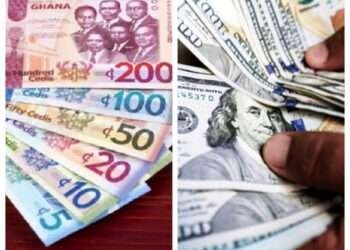
Ghana is set to strengthen its position on the African economic scene as its Gross Domestic Product is projected to reach 113.49 billion dollars in 2026.
The milestone will see the country ranked as the eighth largest economy on the continent, reflecting steady macroeconomic progress and renewed investor confidence.
The projected figure represents an increase from the estimated 108.1 billion dollars recorded in 2025. This growth is underpinned by a projected expansion rate of 4.8 percent, signaling moderate but sustained economic recovery despite lingering fiscal and external pressures.
Steady Growth Amid Economic Pressures
Using multilateral economic data, Ghana’s growth trajectory highlights resilience in the face of public debt management challenges and external vulnerabilities. Over the past few years, the country has navigated inflationary pressures, exchange rate volatility, and tightening global financial conditions.
Yet, the broader macroeconomic framework has remained relatively stable compared to several regional peers. The economy continues to demonstrate its ability to rebound from shocks while maintaining fiscal discipline and implementing structural reforms.
Ghana’s rise to the eighth position places it behind major continental powerhouses but ahead of several other emerging African economies. According to projections, South Africa will remain the continent’s largest economy in 2026 with a nominal GDP of 443.64 billion dollars. Egypt is projected to follow in second place with 399.51 billion dollars, while Nigeria is expected to rank third with 334.34 billion dollars.
Ghana’s projected output will place it behind Algeria, Morocco, Kenya, and Ethiopia, but ahead of Côte d’Ivoire and Angola in overall size.

Diversified Economic Structure
One of the key drivers of Ghana’s economic resilience is its diversified structure. Unlike many West African economies that depend heavily on a single export commodity, Ghana combines natural resource wealth with an expanding services and industrial base.
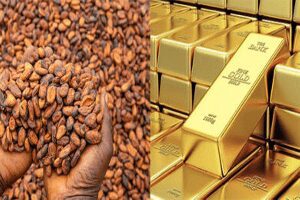
Gold and cocoa remain significant contributors to export earnings and foreign exchange inflows. However, the oil and gas sector has increasingly supported both GDP growth and fiscal revenue. Production from offshore oil fields has helped stabilize government income, particularly during periods of global commodity price fluctuations.
The services sector also continues to expand, driven by financial services, telecommunications, trade, and digital innovation. This diversification has cushioned the economy against severe shocks and supported stable growth momentum.
Infrastructure Investment Boost
Infrastructure development has played a critical role in strengthening Ghana’s economic outlook. Investment in road networks, port expansion, and energy generation has improved logistics and reduced operational costs for businesses.
Upgrades at key ports have enhanced trade efficiency, while expanded road corridors have improved connectivity between production hubs and markets. Energy sector improvements have also aimed at ensuring stable power supply, a key requirement for industrial expansion.
These projects are gradually creating a more competitive business environment and positioning Ghana as an attractive destination for regional and international investors.
Comparative Continental Outlook
Across the continent, economic growth remains uneven but positive. South Africa’s projected 443.64 billion dollar GDP in 2026 builds on its long standing role as Africa’s industrial and financial hub. Egypt’s expected jump to 399.51 billion dollars reflects renewed expansion in construction, energy, and services.
Nigeria’s projected 334.34 billion dollar output marks a significant increase from its 2025 estimate of 285 billion dollars, highlighting improvements in raw economic output despite structural challenges.
Within this competitive environment, Ghana’s 113.49 billion dollar projection underscores its steady upward movement. While the gap between Ghana and the continent’s top three remains substantial, the country’s trajectory suggests continued expansion and stronger integration into regional trade networks.
Outlook for 2026 and Beyond
The path to becoming Africa’s eighth largest economy reflects deliberate policy adjustments, fiscal reforms, and sectoral diversification. Sustaining the projected 4.8 percent growth rate will require continued attention to debt sustainability, inflation control, and currency stability.
Further investment in industrialization, value addition in agriculture, and expansion of the digital economy could accelerate Ghana’s ascent in continental rankings. Strengthening local manufacturing and boosting exports beyond primary commodities will also be critical to maintaining long term resilience.
As 2026 marches on, the country’s economic story is one of gradual but steady progress, shaped by reforms, diversification, and infrastructure development.
If current trends hold, Ghana will not only consolidate its position among Africa’s top ten economies but also reinforce its reputation as one of the continent’s more stable and promising growth markets.
READ ALSO: Ghana Bourse Extends Bullish Momentum with Eight Gainers