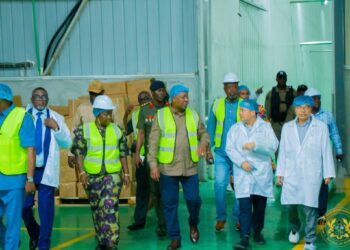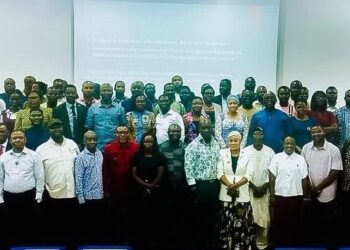
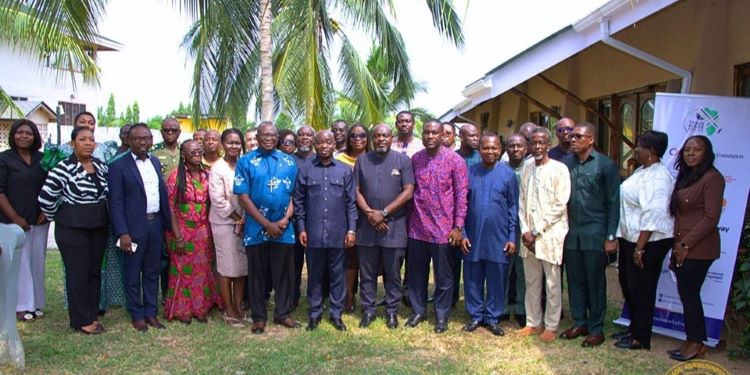
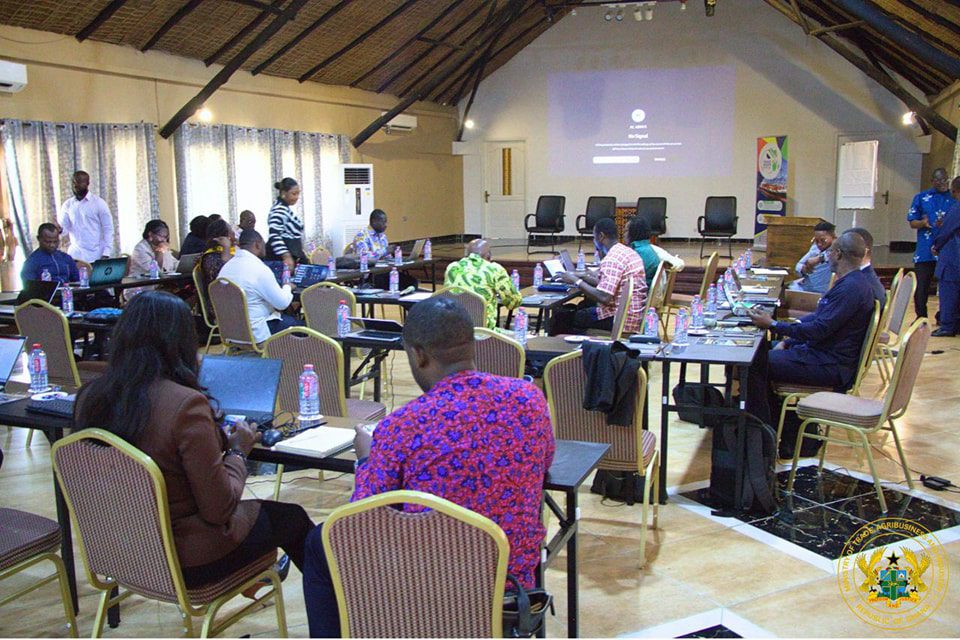
The Ministry of Trade, Agribusiness and Industry (MoTAI) has launched a decisive initiative to eliminate persistent bottlenecks hindering the flow of goods across Ghana’s trade corridors, during the opening of the 2026 first-quarter meeting of the National Trade Facilitation Committee (NTFC) in Sogakope.
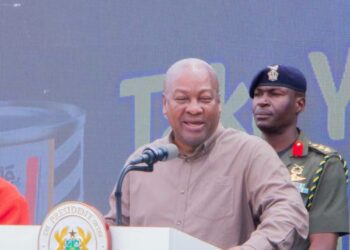
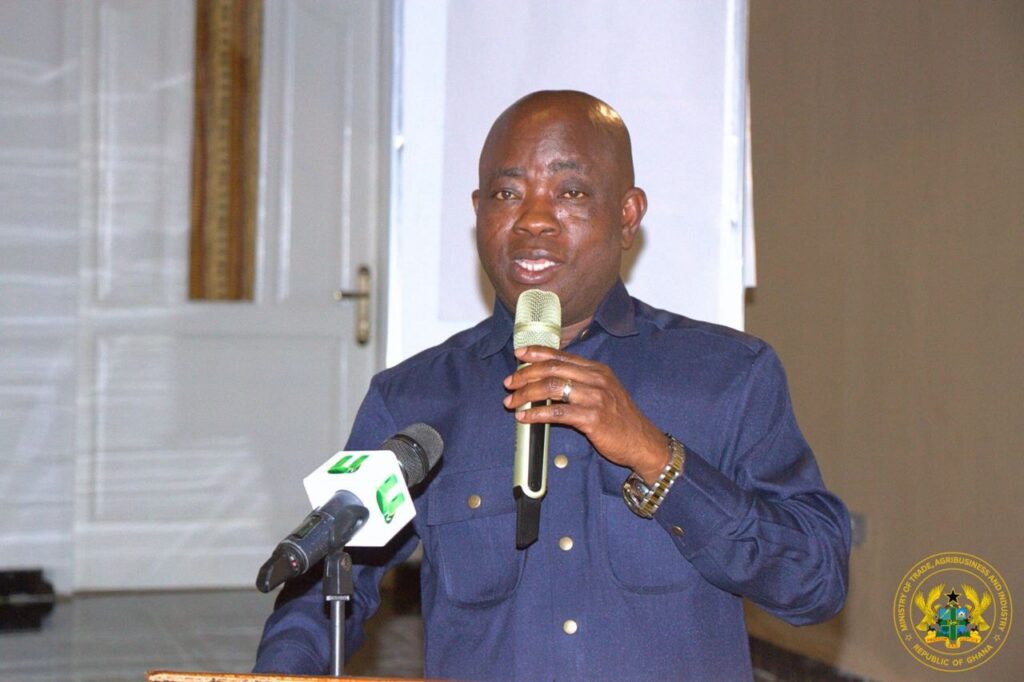
The Deputy Minister for Trade, Agribusiness and Industry, Hon. Sampson Ahi articulated an urgent demand for improved coordination among public institutions.
He noted that persistent delays at ports and borders are not merely administrative hurdles but systemic failures that inflate the cost of doing business and stifle the nation’s competitive potential within the African Continental Free Trade Area (AfCFTA).
“The business community does not judge the government only by the policies we announce. It is judged by how our systems behave – the time it takes to clear goods, the predictability of procedures, and how well institutions work together. For traders dealing in perishable goods, delay is not an inconvenience to be managed later. It is a direct threat to income, market access, and business survival”
Hon. Sampson Ahi, Deputy Minister for Trade, Agribusiness and Industry
The Deputy Minister emphasized that the burden of these inefficiencies – ranging from duplicated documentation requirements to unpredictable port clearance times – falls disproportionately on local manufacturers and ordinary citizens.
By increasing transaction costs and disrupting production schedules, the current system actively discourages private sector investment. As Ghana positions itself as a strategic trade hub, MoTAI is prioritizing the transition from policy rhetoric to operational predictability, ensuring that institutions tasked with trade facilitation work in harmony rather than in isolation.
Perishable Goods and Trade Integrity
The Ministry noted that a central focus of its current action plan is the expedited clearance of perishable goods, including fresh produce, meat, and fish. Because these commodities are highly sensitive to temperature and time, they represent the most acute example of how inefficient customs procedures translate into direct economic losses.
Hon. Ahi noted that the NTFC has been tasked with developing a specific intervention framework that differentiates these high-risk goods from non-perishable cargo, ensuring they move through the supply chain with the necessary speed to maintain product integrity and market value.
This focus is supported by data from the World Trade Organization (WTO), which suggests that streamlined procedures for perishables can reduce trade costs by over 18%.
By leveraging digital tools and enhancing risk-management systems, the MoTAI intends to reduce the current dwell times that frequently plague operators at the Tema Port and various land borders.
This move is essential to fulfilling Ghana’s commitments under the WTO Trade Facilitation Agreement and demonstrates the government’s willingness to adopt international best practices in customs administration.
Aligning Institutional Goals
The National Trade Facilitation Committee acts as the primary multi-stakeholder platform for these reforms, bringing together the Ministry of Finance, the Ghana Revenue Authority (GRA), and private sector representatives.
The current goal is to ensure that the work of these agencies is no longer siloed. According to Hon Ahi, the Ministry has assigned clear responsibilities and set rigid timelines for the implementation of digital clearance protocols, for a more transparent and accountable trade environment.
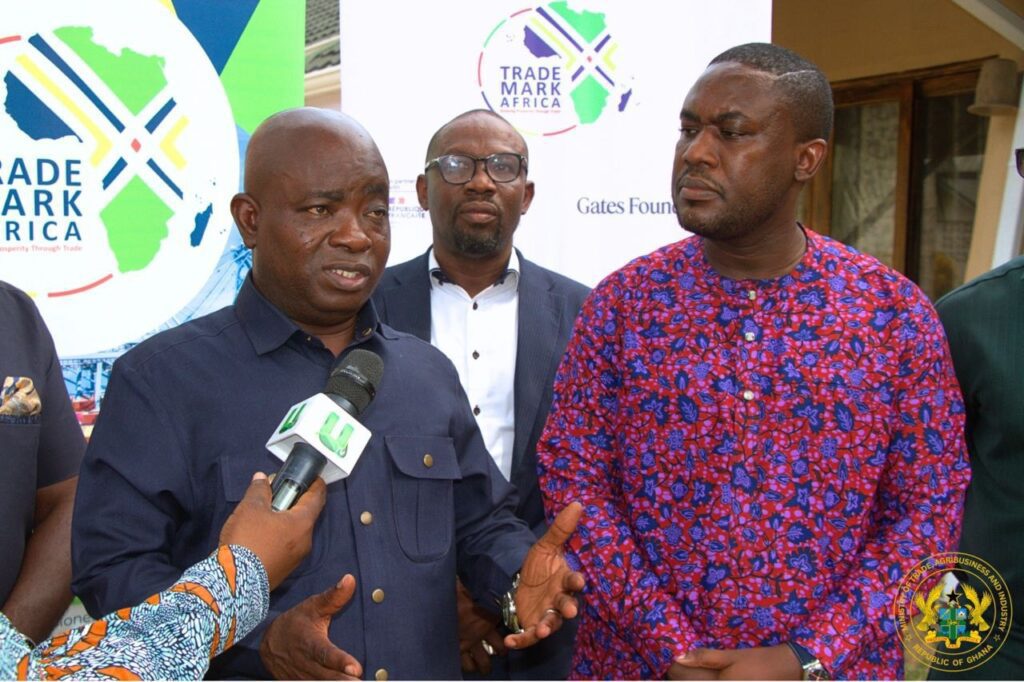
He added, during the Sogakope forum, that the support of international partners, such as TradeMark Africa, further underscores the importance of this mission.
“Efficient trade systems help reduce transaction costs, improve transparency, and strengthen a country’s participation in regional and global markets,” Hon. Ahi also said, highlighting how trade systems are the backbone of a country’s participation in the global economy.
By reducing the reliance on manual processes and minimizing opportunities for arbitrary charges, the Ministry of Trade aims to restore confidence among investors who have long cited administrative uncertainty as a primary barrier to expanding their operations within Ghana.
Looking toward the remainder of 2026, the MoTAI is committed to moving beyond periodic committee meetings and toward the permanent institutionalization of these trade facilitation measures, including the full integration of the 24-Hour Economy Initiative into port and border management.
The focus on “practical solutions,” – such as the expansion of the Authorized Economic Operator scheme – is a direct response to the call for an environment where compliant businesses can flourish without unnecessary interference, ensuring that infrastructure is utilized to its maximum capacity to support domestic production.
The success of these reforms will ultimately be measured by the “reduction in cargo clearance times and the increased volume of intra-African trade facilitated through Ghana’s borders.” As the Ministry leads this reform agenda, it remains under pressure to ensure that the gains of trade are felt by the average Ghanaian, who ultimately pays the price for systemic inefficiency.
Through sustained collaboration, accountability, and the rigorous application of digital trade solutions, the government aims to transform Ghana’s ports from points of delay into gateways of rapid, sustainable economic growth.
READ ALSO: Gender Minister Leads Ghana @70th UN Commission on Status of Women