Austria is preparing to introduce a nationwide restriction that would prohibit children under the age of 14 from using social media platforms, a move the government says is aimed at protecting young people from the harmful effects of excessive online engagement.
Conservative Junior Minister for digitisation, Alexander Proll, told a joint news conference, “Austria is introducing a compulsory minimum age of 14 for the use of social media platforms.”
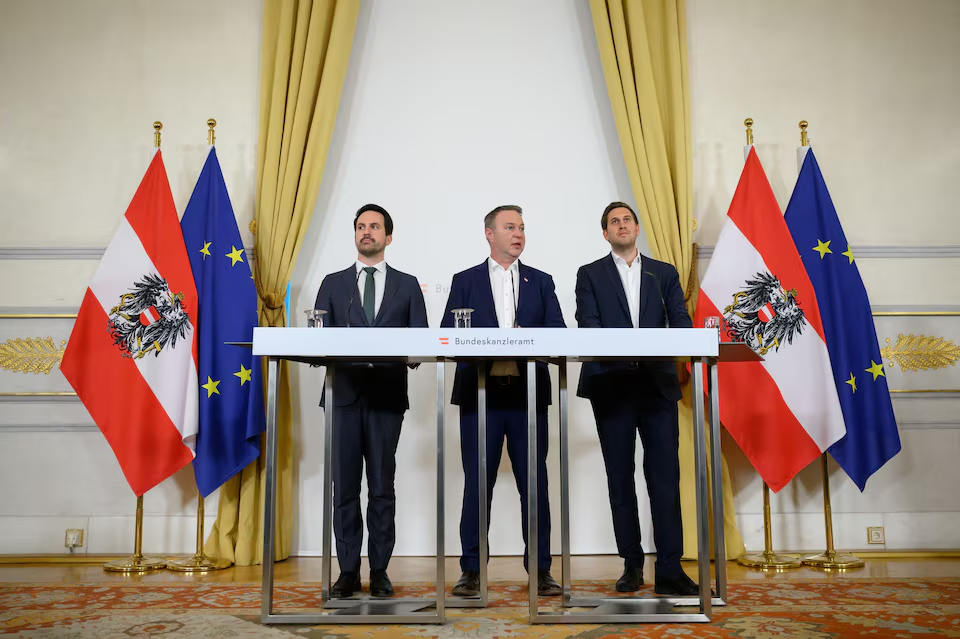
Proell added that draft legislation would be drawn up by June. Cabinet members from Austria’s two other governing parties were also in attendance.
Vice Chancellor Andreas Babler of the Social Democrats said, “We will decisively protect children and young people in future from the negative effects of social media.”
“We will no longer stand by and watch while these platforms make our children addicted and often also sick … The risks associated with this use were ignored for long enough, and now it is time to act.”
Andreas Babler
The proposal is part of a broader effort by Austrian authorities to address what they view as the growing challenges posed by digital technology, particularly for minors.
Governments across Europe have increasingly debated how to regulate social media companies and protect younger users from potential harm, including cyberbullying, exposure to harmful content, and excessive screen time.
Austria’s proposed age limit would require social media platforms operating in the country to ensure that users are at least 14 years old before they are allowed to create accounts or actively use their services. While details of enforcement mechanisms have not yet been fully outlined, the plan signals a stronger regulatory approach toward online platforms and the way they interact with younger audiences.
The announcement places Austria among a number of countries examining stricter controls on children’s access to digital platforms. Policymakers in several European nations have been discussing whether existing safeguards are sufficient to protect minors in an increasingly digital environment.
Concerns about the mental health impact of social media have been amplified in recent years by studies suggesting links between heavy online use and rising levels of anxiety, depression and social isolation among adolescents.
Government To Not List Platforms Ban Would Apply To
Babler said that the government would not list individual platforms the ban would apply to, but would decide based on how addictive their algorithms are and whether they include content such as “sexualised violence.”

While the Austrian government has framed the proposal as a measure to protect children, the plan is also likely to spark debate about digital rights, parental responsibility and the role of governments in regulating online behavior.
Supporters argue that age restrictions are necessary to safeguard young people, while critics may question how such rules can be effectively enforced in an open digital ecosystem.
Technology companies operating social media platforms may also face new compliance obligations if the proposal becomes law. These could include stronger age verification systems and additional safeguards designed to ensure that younger users cannot bypass the restrictions.
The announcement comes days after a Los Angeles jury found Alphabet’s Google and Meta liable for $6m in damages in a landmark social media addiction lawsuit.
The case involved a 20-year-old woman who said she became addicted to the apps at a young age due to their platform design. Meta says it plans to appeal the decision.
Also today, the United Kingdom advised parents of children under five to limit screen time to a maximum of one hour per day.
Australia introduced a social media ban for under-16s in December, the first country to do so. Various countries are considering or moving towards similar bans.
Similar to Austria, other nations in Europe and elsewhere have banned the use of social media for children.In January, the French parliament voted in favour of banning children aged below 15 from social media, amid growing concerns about online bullying and mental health risks. Countries including the UK, Denmark, Spain and Greece are also studying a ban.
The European Parliament has called for the European Union to set minimum ages for children to access social media, although it is up to member states to impose age limits.
READ ALSO: COMAC Calls for Balanced Policy Approaches to Ensure Fair Competition & Consumer Benefit