The government has announced a major shift in Ghana’s healthcare policy, with plans to expand access to free primary healthcare as part of efforts to achieve universal health coverage. The initiative, set for rollout on April 15, 2026, aims to remove financial barriers at the point of care and improve early access to essential health services.
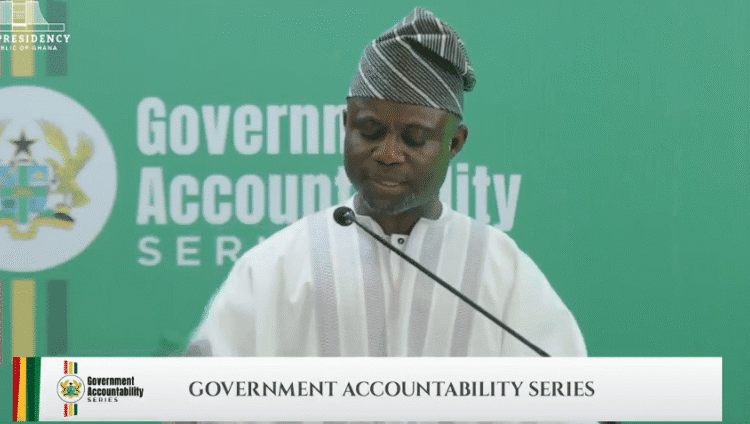
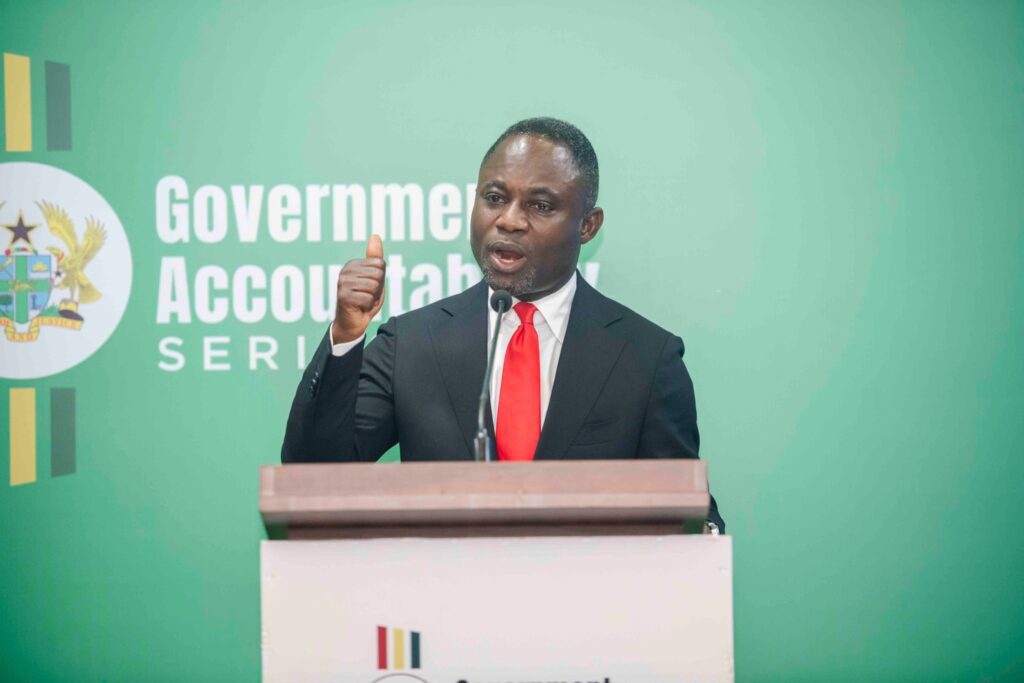
Speaking at the Government Accountability Series at the Jubilee House, Minister of Health Hon. Kwabena Mintah Akandoh outlined the vision behind the policy, emphasizing its practical impact on the lives of ordinary citizens.
He described the programme as a critical step toward ensuring that healthcare becomes more accessible and affordable for all. “This is not just about policy. It is about whether a Ghanaian can access care early, easily, and without worrying about cost,” he said.
According to the Minister, Ghana’s current universal health coverage index stands at approximately 56 percent, highlighting significant progress but also underscoring the need for further improvement. The government has set a target of reaching 80 percent coverage by 2030, aligning with global health goals.
He noted that while initiatives such as the Community-based Health Planning and Services programme and the National Health Insurance Scheme have contributed to expanding access, gaps remain. These gaps, he said, continue to affect millions of Ghanaians who are unable to access timely healthcare due to financial constraints.

The introduction of free primary healthcare is therefore positioned as a strategic intervention to bridge this gap and accelerate progress toward universal coverage.
Persistent Barriers to Healthcare Access
Despite years of reform, a significant portion of the population remains outside the formal health insurance system. The Minister revealed that only about two-thirds of Ghanaians are actively enrolled in the National Health Insurance Scheme, leaving many exposed to direct healthcare costs.
Out-of-pocket payments, he explained, still account for roughly one-third of total health expenditure in the country. This reality, he warned, places a heavy burden on households and discourages early medical intervention.
“When people have to pay, they delay. They try to manage symptoms at home, and by the time they come to the facility, the condition often worsens.”
Minister of Health Hon. Kwabena Mintah Akandoh
This pattern, according to Hon. Akandaoh experts, contributes to higher treatment costs and poorer health outcomes, particularly for vulnerable populations across the country.
The free primary healthcare initiative is expected to prioritize early diagnosis and preventive care, reducing the need for more complex and expensive treatments at later stages. By removing cost barriers at the primary level, the government hopes to encourage more people to seek medical attention promptly.

The Minister emphasized that the policy is designed to integrate seamlessly into daily life, ensuring that individuals can access care without financial hesitation. He added that further technical details would be provided by healthcare professionals and policy experts in subsequent engagements.
The approach reflects a broader shift toward strengthening the foundation of Ghana’s healthcare system, with primary care serving as the first point of contact for most patients.
Building on Existing Health Reforms
Ghana’s journey toward universal health coverage has been shaped by several key reforms over the years. The Community-based Health Planning and Services programme expanded access to healthcare at the community level, while the National Health Insurance Scheme sought to reduce financial barriers.
However, the Minister acknowledged that these efforts have not fully addressed the challenges facing the system. The new policy is intended to complement existing programmes while addressing their limitations.
By focusing on free access to primary healthcare services, the government aims to create a more inclusive system that ensures no one is left behind. The introduction of free primary healthcare is expected to have significant implications for households across the country.
For many families, the removal of upfront costs could ease financial pressure and improve access to essential services. Health analysts suggest that the policy could lead to better health outcomes by encouraging early treatment and reducing the incidence of advanced disease conditions.
It may also contribute to long-term cost savings for both households and the healthcare system. For rural and underserved communities, the impact could be particularly pronounced, as access to affordable healthcare remains a major challenge.
Next Steps and Policy Implementation
As the rollout date approaches, government officials have indicated that additional information will be provided to guide implementation. This includes details on service coverage, funding mechanisms, and the roles of various stakeholders within the health system.
The Minister noted that the success of the policy will depend on effective coordination between government agencies, healthcare providers, and the public. Ensuring adequate resources and infrastructure will also be critical to achieving the desired outcomes.
While challenges remain, the initiative represents a significant step toward strengthening Ghana’s healthcare system and improving access for all citizens.
READ ALSO: Vice President to Declare Historic Marine Protected Area